
Your home exteriors say a lot about your personality. It is a reflection of who lives inside. Choosing the right material for your home is essential. But with so many options, it often becomes confusing. You may have a specific choice of color, but it is not available in the material you chose. Or you may want a particular texture on your home’s outer walls but the style you a `e looking for is not available. Maybe the material you chose is not suitable for the type of climate your area has.
Two popular choices among homeowners and builders in exterior material category are Shou Sugi Ban and painted wood siding. Both have their own pros and cons. So let’s have a comparison between the two to determine which one is worth the investment.
What Is Shou Sugi Ban?
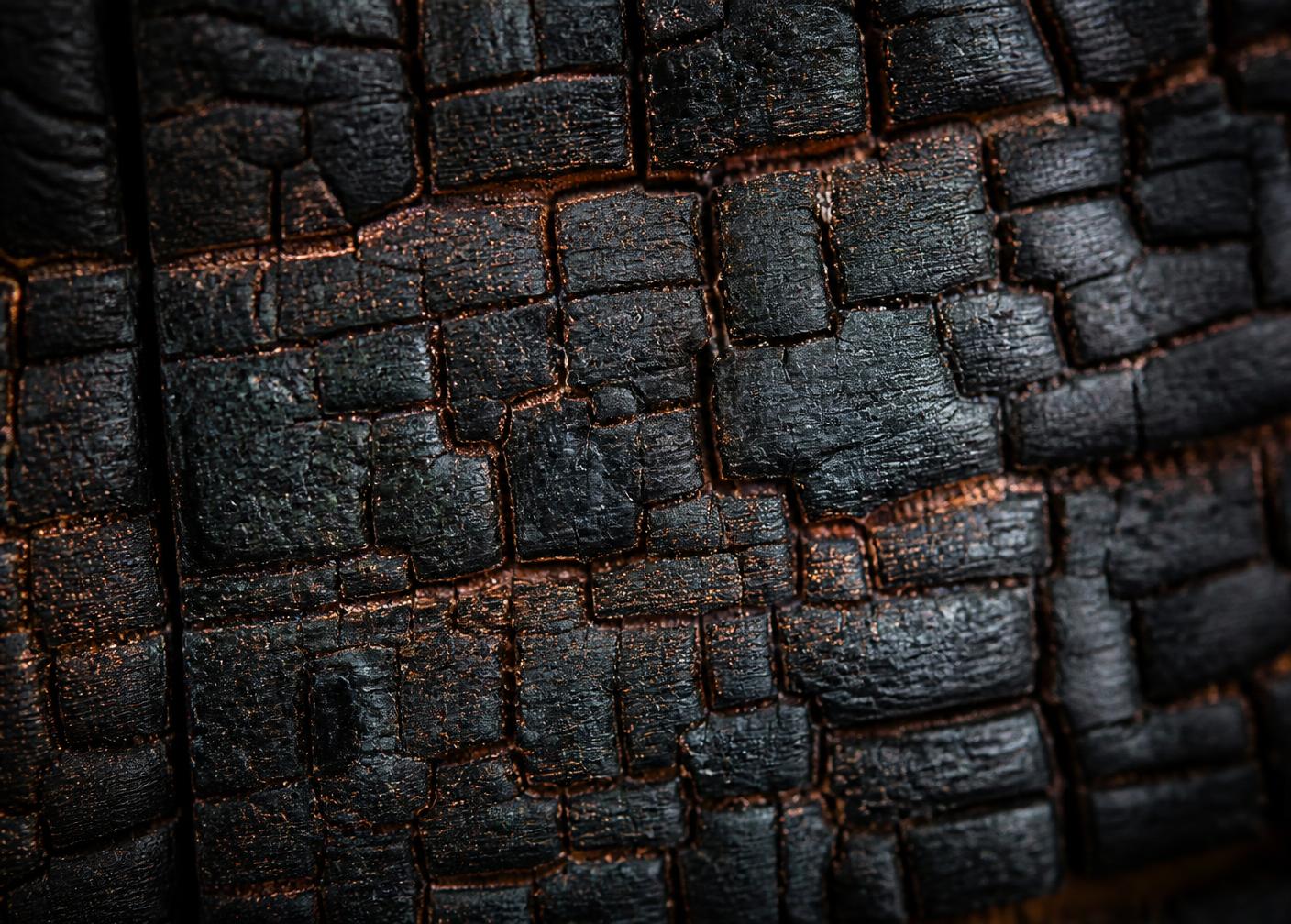
Shou Sugi Ban, also known as Yakisugi, is a centuries-old technique from Japan. It includes charring the wood surface to create a naturally protective outer layer. It is a controlled burning process that makes the wood resistant to moisture, insects, rot and even fire. The wood thus obtained is highly durable and needs no synthetic chemicals or coatings for protection.
Charred wood Japanese timber has been used on homes and temples across Japan for hundreds of years. Inflamed is a trusted producer of premium charred timber products. Inflamed has elevated this ancient craft into a modern building product.
What Is Painted Wood Siding?
Painted wood siding is made using basic timber boards. These are painted with an exterior grade paint to protect the wood from the elements. The ability to color makes it a versatile choice for homes and buildings. It is the traditional exterior cladding that you must have seen in most houses and public buildings. The product’s familiarity helps you set the right expectations in terms of performance and looks. It comes in a huge range of colors. The initial cost is often lower, however, it may demand retouching every few months.
Initial Cost
- Painted wood siding generally has a lower initial material and installation cost. For Shou Sugi Ban interior and exterior cladding, the initial cost is higher.
- Japanese charred timber cladding from a premium supplier, like Inflamed, does carry a higher upfront cost. This includes the timber, the charring process cost and the labor of the craftsman.
- However, in the case of painted wood, the maintenance cost gets added up. It may require repainting or even replacement in a few years. Shou Sugi Ban requires almost no maintenance. Even after years, it will look the same.
Durability and Weather Resistance
The charred wood Japanese technique creates a water-resistant layer on the wood. It does not absorb water, like traditional timber. Yakisugi fencing and exterior cladding treated using this method can last for fifty years or more.
- The durability of painted wood siding depends on its paint coating. Once that coating begins to crack, peel or fade, the bare wood becomes exposed to atmospheric factors. Moisture gets in and rot can take place.
- It is not a suitable option for coastal or very wet climates.
Maintenance Requirements
- Most exterior paints degrade in a few months. Depending on the climate and the quality of the paint, it needs repainting. It may need retouching every few months. If you decide to do it yourself, remember it may need surface cleaning, sanding and priming.
- Shou Sugi Ban interior and exterior cladding requires very little maintenance. Occasional light oiling is enough. Japanese charred timber cladding looks beautiful for decades.
Inflamed products are crafted with quality. These need minimum maintenance while delivering maximum long-term performance.
Appearance
- Painted wood siding looks fresh and clean when it is newly painted. It offers a huge range of color options. It suits almost any architectural style. Paint can fade or crack over time. Peeling or faded color doesn’t look attractive.
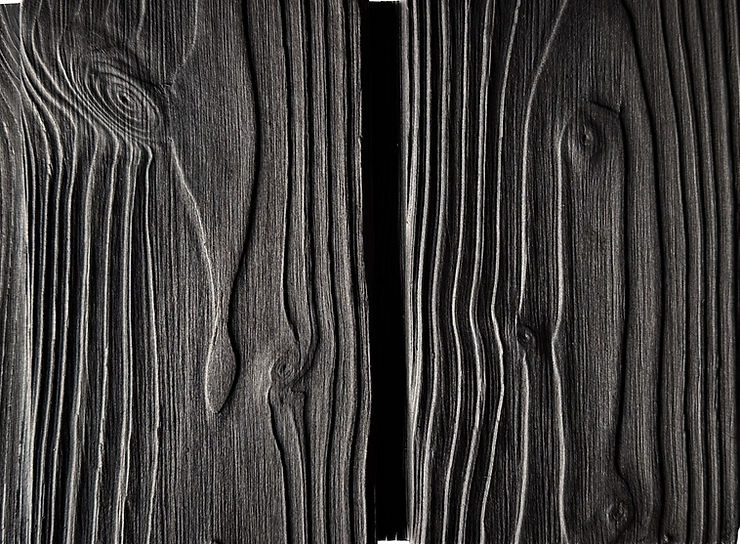
- Charred wood Japanese cladding looks stunning, even after years of installation. It is available in various tones like deep black, carbon black and sand grey. The natural wood grain texture looks stunning on buildings. Over time, your Yakisugi fencing won’t fade or peel like painted surfaces or crack. Rather, it develops a natural patina that enhances its beauty. It doesn’t require retouching. No two charred timber boards look the same. It gives a unique look to every building.
Long Term Value
- Painted wood siding may cost less initially, but the ongoing maintenance costs tell a different story. Repainting every five to seven years, occasional repairs to damaged sections, and the eventual need for full replacement all add significant costs over the lifetime of a home. When you add these up over twenty or thirty years, the total cost of painted siding can easily exceed that of a premium charred timber installation.
- Shou Sugi Ban interior and exterior cladding costs more upfront but delivers far lower ongoing costs. Minimal maintenance, exceptional durability, and a lifespan that can exceed fifty years make it a significantly better long-term investment for most homeowners.
- Homes with premium, distinctive exterior cladding like charred timber consistently attract more attention and command higher prices than comparable homes with standard painted siding. The visual impact and perceived quality of Inflamed charred timber products add genuine value to any property.
Throughout this comparison, the quality of the charred timber product you choose matters enormously. Inflamed has established itself as a leading name in premium charred timber cladding — a brand that combines deep respect for the ancient Japanese tradition of Shou Sugi Ban cladding with the demands and standards of contemporary architecture and construction.
Conclusion
While painted wood siding has its place and its appeal, Shou Sugi Ban interior and exterior cladding wins the long term investment argument on almost every count. Better durability, lower maintenance, superior sustainability, stunning appearance, and stronger long term value all point in the same direction.
The Charred wood japanese tradition has stood the test of centuries for very good reason. It produces a building material that is genuinely exceptional — one that gets better with age rather than worse. With premium products from Inflamed bringing the finest Japanese charred timber cladding to modern homes, there has never been a better time to make the investment in charred timber for your home exterior.
Choose the material that will still look stunning in fifty years. Choose Shou Sugi Ban. Contact Inflamed today to explore premium architectural timber solutions for your next exterior project.