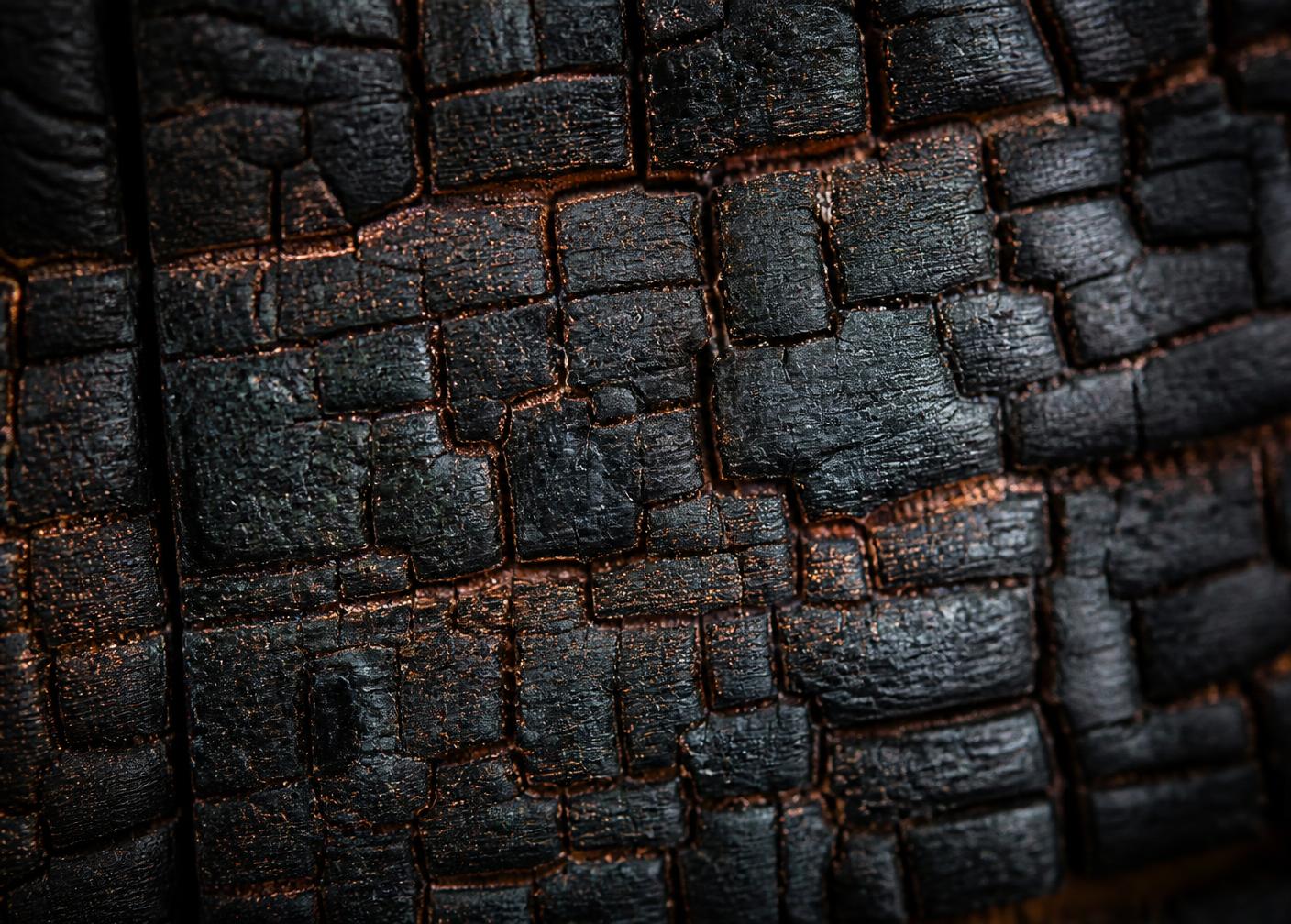
Detailed charred timber surface

TECHNICAL RESOURCE

Timber specifications, density and weight

Compare typical timber densities at different moisture levels and estimate the weight of boards for planning, handling and transport. Timber is a natural material, so actual weight varies between boards, growing regions, moisture levels and production batches.

Timber weight calculator

Reference moisture content

12%

Board type

Estimated results

Timber species
Japanese Cedar
Timber condition
Kiln-dried
Density used
324 kg/m³ – 396 kg/m³ at 12%
Estimated kg per linear metre
0.9–1.1 kg/m
Estimated weight per board
2.8–3.4 kg
Estimated net order weight
281.9–344.5 kg
Waste allowance
0 kg
Packaging allowance
0 kg
Estimated total handling weight
281.9–344.5 kg

This calculator provides an indicative weight for preliminary planning. Actual timber weight varies with species, moisture content, growing conditions, grade, profile, processing and production batch. Confirm final product and shipment weights with Inflamed before structural design, lifting or transport decisions.

Request a Quote

Timber library

Units

18 results ·

  • Available from Inflamed

    Accoya®

    Not verified

    Interior-conditioned
    400 kg/m³600 kg/m³at 65% relative humidity, 20°C (equilibrium moisture content 3–5%)
  • Reference species

    American White Oak

    Quercus alba

    Kiln-dried
    680 kg/m³831 kg/m³at 12%
  • Reference species

    Douglas Fir

    Pseudotsuga menziesii

    Kiln-dried
    459 kg/m³561 kg/m³at 12%
  • Reference species

    European Ash

    Fraxinus excelsior

    Kiln-dried
    612 kg/m³748 kg/m³at 12%
  • Reference species

    European Aspen

    Populus tremula

    Kiln-dried
    405 kg/m³495 kg/m³at 12%
  • Reference species

    European Beech

    Fagus sylvatica

    Kiln-dried
    639 kg/m³781 kg/m³at 12%
  • Reference species

    European Birch

    Betula pendula

    Kiln-dried
    576 kg/m³704 kg/m³at 12%
  • Reference species

    European Maple

    Acer pseudoplatanus

    Kiln-dried
    554 kg/m³677 kg/m³at 12%
  • Reference species

    European Oak

    Quercus robur

    Kiln-dried
    608 kg/m³743 kg/m³at 12%
  • Reference species

    European Walnut

    Juglans regia

    Kiln-dried
    576 kg/m³704 kg/m³at 12%
  • Available from Inflamed

    Japanese Cedar

    Cryptomeria japonica

    Kiln-dried
    324 kg/m³396 kg/m³at 12%
  • Available from Inflamed

    Larch

    Not verified

    Kiln-dried
    518 kg/m³633 kg/m³at 12%
  • Reference species

    Poplar

    Populus nigra

    Kiln-dried
    347 kg/m³424 kg/m³at 12%
  • Available from Inflamed

    Reclaimed Wood

    Not verified

    TECHNICAL DATA VERIFICATION REQUIRED — no verified density is published for reclaimed stock. Ask Inflamed for a measured board weight for the batch being supplied.
  • Reference species

    Scots Pine

    Pinus sylvestris

    Kiln-dried
    495 kg/m³605 kg/m³at 12%
  • Available from Inflamed

    Spruce

    Not verified

    Kiln-dried
    365 kg/m³446 kg/m³at 12%
  • Reference species

    Sweet Chestnut

    Castanea sativa

    Kiln-dried
    531 kg/m³649 kg/m³at 12%
  • Reference species

    Western Red Cedar

    Thuja plicata

    Kiln-dried
    333 kg/m³407 kg/m³at 12%

Why timber weight changes

Moisture content is the largest single factor: water held in the cell walls and cavities is weight you carry, and it changes with season, storage and exposure.

Species sets the baseline cell-wall density. Growing location, heartwood and sapwood, earlywood and latewood bands, knots and grain all move an individual board away from the species average.

Machining removes material: a profiled board has less cross-section than its overall width and thickness suggest. Charring, brushing and oil change the finished board again, and reclaimed timber may carry fixings, coatings or retained surface material.

Green, air-dried and kiln-dried timber

Green or freshly sawn timber is timber that has not been dried. Its moisture content is not fixed and can vary very widely between logs, species and seasons, so green weight should always be treated as the least predictable figure.

Air-dried timber has been stacked and dried in ambient conditions, reaching a moisture content governed by local climate rather than a set target.

Kiln-dried describes a drying process, not one universal moisture value. A kiln-dried figure is only meaningful with a measured or specified moisture content beside it.

Interior-conditioned timber has reached equilibrium with heated interior air, which is typically drier again. Every density on this page is shown with the moisture content it refers to.

Density versus weight

Density is mass per unit volume, expressed here in kg/m³ or lb/ft³. Board weight is density multiplied by the board's actual volume.

Two boards of the same species can weigh differently — density commonly varies around the published average.

A profiled board may weigh less than a rectangular board with the same maximum width and thickness, because the machined cross-section is smaller.

Profiles and cover width

Overall board width is the widest dimension of the board. Cover width is the width the board actually covers once installed, after a lap, rebate or gap is taken up.

Thickness is the maximum board thickness; actual cross-sectional area describes the machined profile far more accurately.

Weight per linear metre describes one running metre of board. Weight per square metre of coverage is weight per linear metre divided by the cover width in metres — always cover width, not overall width.

Handling and transport

Estimate order weight from the actual board schedule rather than nominal sizes, and add an allowance for packaging, battens and protective wrapping.

Keep dried timber protected from rain and ground moisture on site; timber that takes up water gains weight and moves.

This page makes no claims about safe manual lifting limits, pallet capacities or vehicle limits. Obtain confirmed shipment weights from Inflamed for transport planning.

Technical data limitations

Published figures are typical values and ranges for a species, not a measurement of the boards you will receive. Actual measurements of the supplied product always take priority.

Where a value could not be verified against a published source it is left blank or marked TECHNICAL DATA VERIFICATION REQUIRED rather than filled with an estimate.

KAEN is a deeply charred, unbrushed carbon surface and KIME is a brushed surface. Charring, brushing, profiling and oiling all change the finished weight, so Inflamed does not apply a generic weight multiplier — ask for a measured finished-product weight. KAEN · KIME

Frequently asked questions

How much does one cubic metre of timber weigh?
It depends on the species and its moisture content. At 12% moisture content a cubic metre ranges from about 360 kg for Japanese Cedar (Cryptomeria japonica) to about 755 kg for American White Oak (Quercus alba), using the published averages listed in the timber library above.
Why does green timber weigh more?
Green or freshly sawn timber has not been dried, so it still holds water in its cell walls and cavities. That water is weight. Because green moisture content is not fixed, green weight varies particularly widely between logs, species and seasons.
Is kiln-dried timber always the same weight?
No. Kiln-dried describes a drying process, not one universal moisture value. A kiln-dried density figure is only meaningful when it is quoted with a measured or specified moisture content, which is why every density on this page shows its reference moisture content.
How do I calculate the weight of a timber board?
Volume in m³ = width in mm × thickness in mm × length in m × quantity ÷ 1,000,000. Estimated weight in kg = volume in m³ × density in kg/m³. Weight per linear metre = width in mm × thickness in mm × density in kg/m³ ÷ 1,000,000. The calculator on this page applies exactly these formulas.
Does charred timber weigh less?
Charring, brushing, profiling and oiling all change the finished weight, and the effect depends on the depth of char and the amount of material brushed away. Inflamed does not apply a generic KAEN or KIME weight multiplier; a finished-product weight is only given when it has been supplied or measured.
How should reclaimed timber weight be calculated?
Reclaimed Wood has no single density. Where the original species is known, use that species' verified data and say so. Where it is not, use a measured density, an actual measured board weight, or a clearly qualified project-specific range — never an assumed species.
What is the difference between board width and cover width?
Overall board width is the widest dimension of the board. Cover width is the width the board actually covers once installed, after a lap, rebate or gap is taken up. Installed weight per square metre must be calculated from cover width, not overall width.

Request SamplesRequest a Quote