

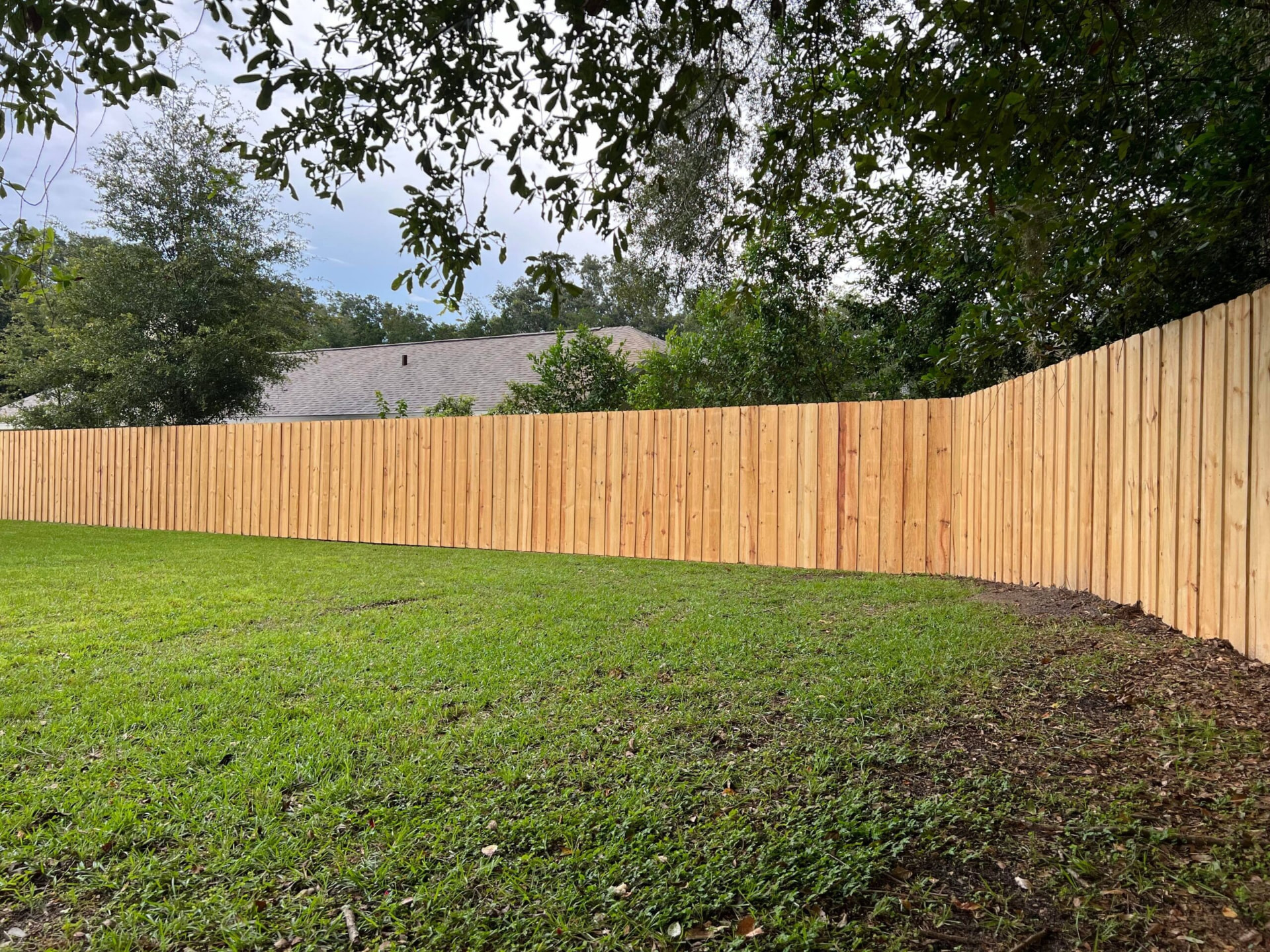
An excellent fence forms your entire outdoor living area, not simply the boundary of your property. A well-designed fence improves exterior appeal, increases seclusion, and blends in with the surroundings.
For the foreseeable future, wood will be the primary material for the residential construction sector for many reasons, not the least of which is that wood is easy and affordable to work with. There is more to building a fence than just cutting boards to length.
To build a high-quality fence, there is a certain sequence that must be followed. We have gathered the steps for designing and installing the ultimate fence line in the guide that follows:
- The fundamentals of structure: Selecting the appropriate building techniques, treatments, and wood.
- Applications and style: Locating the ideal design to go with your outdoor arrangement.
- Extended care: Simple methods to keep an eye on, safeguard, and preserve your wood over time.
- Current fashions: A deeper look at striking, burnt designs such as Inflamed's high-end Shou Sugi Ban fence.
To help you make the best choice, we've included a few tips to guide you through selecting a wooden fence, regardless of whether you're creating a more traditional backyard or an innovative showpiece.
Why Choose Timber Fencing?
Timber fences have practical and attractive value because of their naturally occurring grain, colors, and textures, which are aesthetically appealing to any structure, whether modern or conventional in layout.
Here are some reasons why you pick wooden fencing;
- Natural look: Timber is aesthetically compatible with gardens, stone walls, brickwork, and modern structures.
- Design flexibility: Timber fence boards may be put vertically, horizontally, or at different spacings.
- Privacy: Closely spaced timber boards give rise to a privacy fence.
- Material flexibility: Various types of timber result in additional colors and surface consistencies.
- Customizability: Timber boards may be arranged and finished in whatever way suits the project.
Factors to evaluate include the nature of the property design, climate, privacy needs, and maintenance.
Understanding Different Timber Materials
Timber species differ in their qualities. One must take into account the look, density, and behavior of different wooden types in the open air before making a decision.
Larch for Distinctive Grain
Larch is a type of timber that features distinct grain and natural resinous quality. The look of larch timber is appropriate for applications where the timber look will be an architectural feature.
Also, larch wood can be used for applications requiring charred timber.
Accoya for Outdoor Applications
Most treated softwoods require constant care to prevent rotting. Accoya, on the other hand, does not require constant attention due to its design. Outdoor wood must consider functionality, aesthetics, and ease of care. Accoya is unique because it meets all these requirements.
Spruce for Natural Finish
Spruce is a softwood characterized by its relatively consistent grain and natural light look. This wood offers the possibility to choose surface treatment options, and it may suit modern fencing projects.
But its use in outdoor applications will depend on the specific surface treatment and environmental exposure.
Popular Wooden Fence Designs
The alignment of the timber boards greatly influences the aesthetics and usability of the fence created. The same timber type can bring out various architectural designs, depending on how the boards are aligned.
Vertical Timber Fencing
Vertical fencing involves the use of timber boards standing vertically next to each other. The vertical alignment results in neatness and gives the fence a tall impression.
It suits both residential gardens and garden borders and modern surroundings.
Horizontal Timber Fencing
Horizontal timber fencing involves boards aligned horizontally along the support structure. Horizontal lines give an extended impression and suit modern structures.
Depending on how spaced out the boards are, they can provide partial or total privacy.
Open-Board Timber Fencing
Open-board fences are characterized by spaces among the timber boards. Open boards give a lighter impression and allow air circulation.
This design is ideal for use around patios and landscaped gardens.
Full-Privacy Fencing
Full-privacy fencing involves closely placed or overlapping boards in order to minimize visibility into the fence.
It is especially suitable for garden fences around residential areas.
What Is Shou Sugi Ban Fencing?
Shou Sugi Ban is a traditional wood-burning process from Japan, which is also known as Yakisugi. Charring of the wood's surface results in the formation of an aesthetically pleasing texture.
Charred wood is nowadays applied in many architectural designs for purposes of cladding, screening and fencing, and the result is determined by the timber species, burning process, brush strokes and finishes.
Inflamed specialises in Shou Sugi Ban charred timber using Spruce, Larch and Accoya wood and produces two lines of finishes called KAEN and KIME.
KAEN: Deep Carbon Appearance
KAEN keeps the deep charred appearance without brushing it back. It results in a darker and more distinct look, which can be used as a key element of architecture.
This product is appropriate for projects that require the presence of the carbon appearance as an integral part of the project.
KIME: Natural Timber Grain Appearance
In contrast to KAEN, KIME undergoes a different procedure. The carbon appearance is brushed back to bring out the natural timber grain after charring. Afterwards, the color and wood oil are applied.
Appearance types include black, anthracite, amber, mahogany, dark oak, and sand grey depending on the chosen timber and finish type.
The primary difference between KAEN and KIME is related to their appearance.
Important Fence Construction Considerations
An aesthetically pleasing fence will require good structural planning as well. The timber boards, posts, rails, and fixings will all need to work together to form a good installation.
Here are some factors that you will have to consider before constructing:
- Positioning of the posts: Proper placement of the posts will depend on the fence's height, soil condition, and exposure to wind.
- Rails for support: Suitable rails will ensure that the boards stay where you want them.
- Spacing between boards: This depends on the privacy, ventilation, and aesthetics of the fence.
- Distance from the ground: Make sure that the timber boards do not have any contact with the soil/water.
- Good drainage: Ensure that your fence allows no water to accumulate.
- Suitable fixings: Choose suitable exterior fixings for the timber and supporting structure.
It's important to consider wind exposure. You don't want to install a solid fence that has too much wind resistance. You will need to choose the posts, foundations, and fixings accordingly.
Where Can Timber Fencing Be Used?
Timber fences can have different functions in residential, commercial, and architectural projects.
- Residential gardens: They can delineate the land boundaries, provide privacy, and become a part of landscape design.
- Terraces: Open and horizontal timber fences will define seating zones while keeping them open to the view.
- Commercial land: Timber screens will help arrange customer zones outdoors and enhance the visual aesthetics of commercial buildings.
- Landscaping in architecture: Timber of various textures and finishing methods provides contrasts to concrete, stone, glass and vegetation.
- Leisure outdoors: Timber screens can define and organise outdoor spaces, but moisture and safety standards should be taken into account.
Charred timber is especially attractive for modern landscaping since the dark surface creates a contrast with vegetation, natural stone and light architectural elements.
How to Maintain Timber Fencing
This exterior timber is going to be exposed to all of the outdoor elements. Light, rain, heat, and moisture are all going to attack the exterior timber. It is important to remember that all exterior installations will need to be maintained. Properly caring for an installation will help maintain its original state and keep it looking like new.
Take these practical measures:
- Examine the planks: Look for cracks, any loosening, and surface changes.
- Examine the structure: Check for any changes on the posts, rails, and joints.
- Clean properly: Clean the board using a method that suits your chosen timber finish.
- Watch out for any changes to the surface: Color, texture, or coating changes.
Follow the manufacturer's product recommendation: Apply cleaning products and oil on wood where necessary.
Depending on the type of timber, finish, climate, and conditions of installation, the maintenance process will vary from one product to another.
How to Select the Right Fencing
Before selecting any materials, one must take into account the function of the fence. It could be privacy, marking a boundary line, or adding an architectural element.
Other considerations include:
- Which type of wood would be best for the project?
- Would horizontal or vertical planks work?
- To what extent does the need for privacy exist?
- Which type of finish would suit the building?
- What kind of maintenance would be needed?
- Any restrictions of planning or structural nature?
It may be easier to select materials with physical samples. Images may not always show the exact color and texture of charred wood.
Inflamed offers material samples along with different types of finishes so that designers and owners of the buildings can see how various finishes would look.
Conclusion
When selecting a wood fence, the material's practical and aesthetic qualities must be carefully considered. The lifetime of your fence is also influenced by the type of wood you choose, as well as the design and polish of the boards.
From more traditional woods such as spruce and larch to more contemporary materials such as Accoya, timber fencing provides a myriad of choices, especially when coupled with expertly performed Shou Sugi Ban treatments, which also give timber fences added durability and an innovative look.
As a reliable charred wood manufacturer, Inflamed ensures you do not need to look any further to provide your projects with timber. Our manufacturing process ensures that our timber meets stringent European standards, providing peace of mind and supporting your project requirements.