
In 18th-century Japan, carpenters discovered something that most modern builders still overlook: wood treated by controlled fire outlasts wood treated by almost anything else. They named the process Yakisugi, which is called 'Sugi'. It produces a carbon-rich surface layer that shields against moisture, insects, rot, and UV rays without the need for chemical additions.
Some Yakisugi-treated structures in Japan have lasted over 200 years and remain structurally sound today. That track record is not an accident.
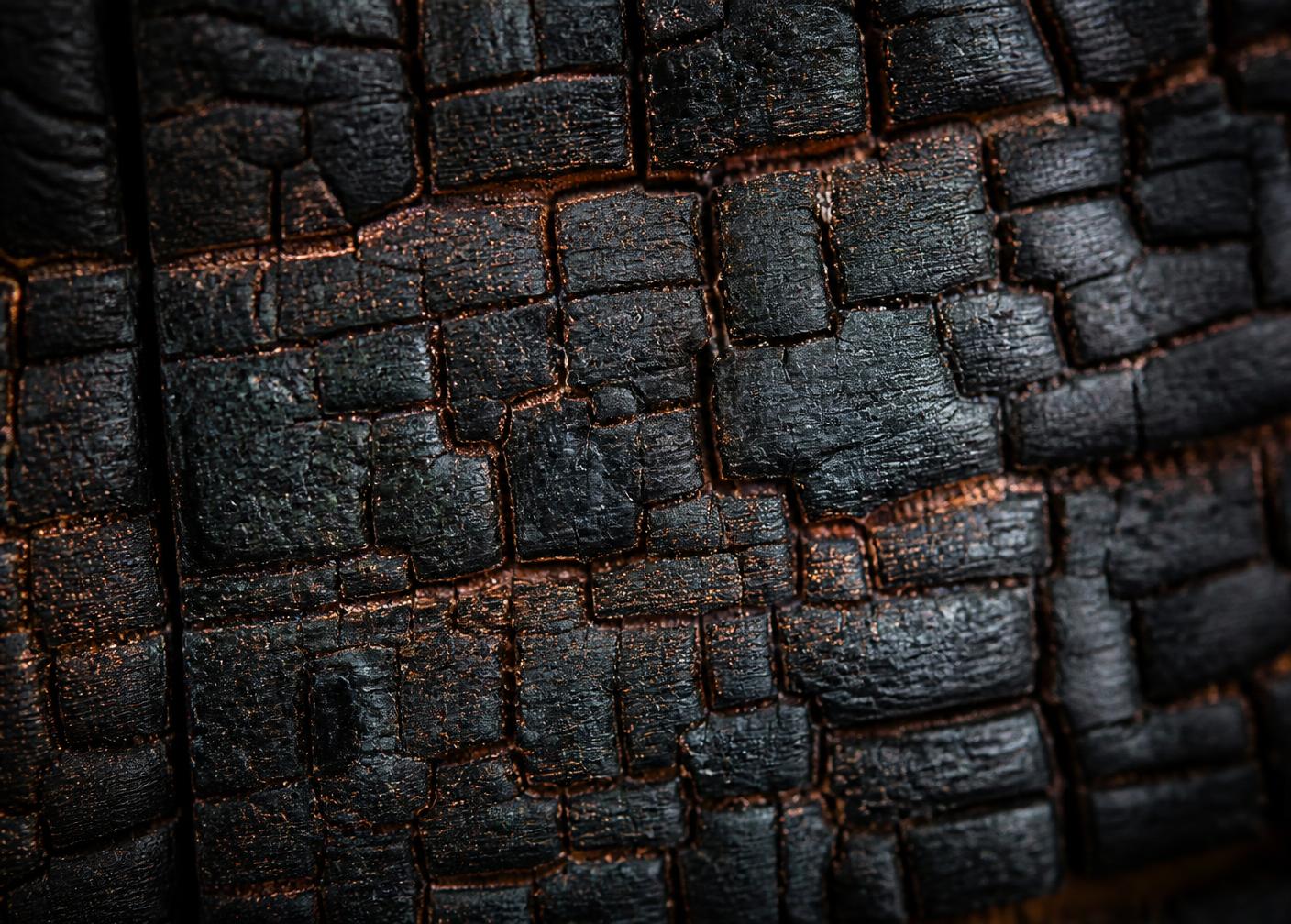
Charring does not just preserve timber; it transforms it. Fire burns away the soft grain and leaves the dense rings exposed, creating a surface with real depth, shadow, and tonal variation. That is what timber cladding texture through the Shou Sugi Ban process actually means: a structural change in the wood, not a finish on top of it.
Inflamed blends traditional techniques with modern precision, carefully managing char levels, brushwork balance, and oil finishing for consistent results. To produce cladding and interior goods that are transported to sites across Europe and bear the full weight of that history.
Why Texture Matters More Than You Think
Texture influences perception more than colour or form. The unfurnished appearance is cold and distant, but the wooden timber is warm and dynamic. The increasing popularity of timber cladding texture is explained by its capacity to reconcile the features of natural materials and the demands of modern design. Instead of artificial coatings, charred timber reveals richly defined grain patterns created through precise burning.
The exterior responds to the light differently during the day: dark shadows in the morning, slight reflections during the sunset, providing buildings with life. The charred wood solutions made by Inflamed are designed using the Yakisugi (Shou Sugi Ban) process, in which timber is burnt with great care, to increase its longevity and aesthetic quality. This natural charring enhances weather, insect, and decay resistance and retains authenticity without the use of chemicals.
Blackened Wood Cladding: The Look That Does Not Date
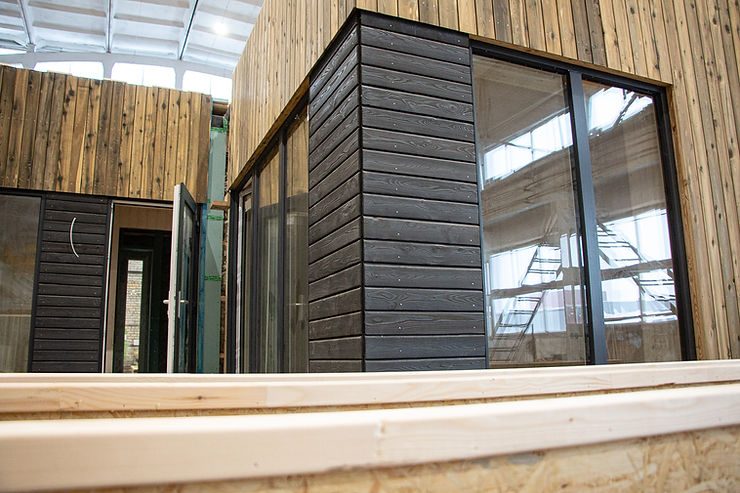
There is a reason blackened wood cladding keeps appearing on award-winning architecture across Europe. It works with concrete, brick, steel, and glass. It suits open rural landscapes and tight urban streetscapes with equal confidence. More importantly, it ages with genuine grace; the surface weathers and shifts tone, but it never looks neglected or tired.
What separates blackened wood cladding from painted or stained alternatives is that the darkness is not applied on top of the wood – it is the wood itself, fundamentally changed by fire. The carbon layer formed during charring is a natural, stable surface. It does not peel. It does not crack the way painted finishes do over seasonal timber movement. It simply endures, and it does so without demanding much in return.
Shou Sugi Ban Accoya: When the Finest Timber Meets Fire
Charring does not react similarly with all wood species. The species, density, and grain structure all influence the ease with which a surface opens under heat, the extent to which the char penetrates, and the performance over the years of weather exposure of the finished board. This is why the base timber is not a secondary consideration – the result is central to it.
Shou sugi ban Accoya is the pinnacle of such a combination. Accoya is an acetylated timber engineered at the molecular level to permanently alter its cellular structure.
This modification provides exceptional dimensional stability, rot resistance, and a 50-year above-ground performance warranty. When this already-excellent timber is burnt through the Shou Sugi Ban technique, it becomes better than either of those processes will make it.
The surface of Shou Sugi Ban Accoya carries a texture depth and tonal richness that standard softwoods simply cannot match. The grain opens differently. The carbon settles into a surface that feels simultaneously refined and elemental. It is a material choice that contrasts with everything around it in terms of facades, statement cladding, and any architecturally significant features. Inflamed is an Accoya-endorsed producer, i.e., each board is made according to the specifications that the medium requires.
Charred Wood Interior: Bringing the Outside In
The belief that timber should be burnt to be placed on the outside walls was long overdue and very well-deserved. Charred wood interior uses – feature walls, ceiling panels, sauna linings, kitchen surfaces, hallway cladding – add the same texture depth to the interior, where it then combines with artificial light in effects that are truly difficult to recreate using any other substance.
This charring process produces a waterproof and moisture-decay-resistant surface, which allows a charred interior of wood to work in very humid environments. It holds its surface. And the way a brushed charred panel catches the warm light from a low pendant fitting creates an atmosphere that painted plasterboard will never approach, not even close.
Where Texture Becomes Architecture
The future of façade design lies in authenticity. As architecture moves away from artificial finishes, materials that carry depth and narrative gain importance. Timber cladding texture represents this evolution, returning to natural materials enhanced through craftsmanship rather than concealed beneath coatings.
Through expertise rooted in traditional Yakisugi techniques and modern manufacturing precision, Inflamed transforms timber into a durable architectural surface rich in character. From suggestive exteriors to refined interior surroundings, textured timber proves that design impact doesn't bear complexity, only thoughtful material transformation.
When texture is treated as a design element rather than an afterthought, structures become experiences. And in that transformation, timber moves beyond panels into true architectural expression.