
Black Timber Cladding Texture: A Complete Guide to Modern Timber Cladding
- seoyodha
- Mar 25
- 4 min read
Architectural design and sustainable architectural methods of contemporary times use black timber cladding, timber cladding texture, and timber cladding and wood cladding as their fundamental building elements. Home renovations and new construction projects both benefit from timber because it combines natural aesthetic appeal with long-lasting quality and effective functionality.
The blog will provide complete information about timber cladding, together with its various textures and benefits, and the reasons why black timber cladding has become a leading design trend.

What is Timber Cladding? | Understanding Timber Wood Cladding
Timber cladding, which people also call wood cladding, involves the installation of wooden boards or panels for building exterior and interior surfaces. The system functions as both a protective barrier and an aesthetic enhancement for the building's design.
The product functions as a protective "wooden skin" that shields your building from environmental elements while providing thermal insulation and architectural style. The system maintains its popularity across residential and commercial building designs because of its ability to adapt to multiple design requirements and its enduring design characteristics.
Why Timber Cladding is a Popular Choice in Modern Architecture
The increasing trend of timber cladding usage happens because it provides people with both aesthetic appeal and practical use.
1. Natural Aesthetic Appeal
Timber offers a warm, organic look that no synthetic material can replicate. The surface exhibits visual richness through its combination of grain patterns and tones and different finishes.
2. Environmental Sustainability
Wood serves as an eco-friendly building material because it functions as a renewable resource that requires less energy to produce than concrete or steel.
3. Thermal Insulation
Timber cladding controls indoor temperature levels, which leads to better energy efficiency and lower expenses for heating and cooling.
4. Durability and Longevity
Timber cladding will maintain its structural strength for multiple decades when building owners follow proper treatment and installation methods.
Black Timber Cladding: A Bold and Contemporary Design Statement
What is Black Timber Cladding?
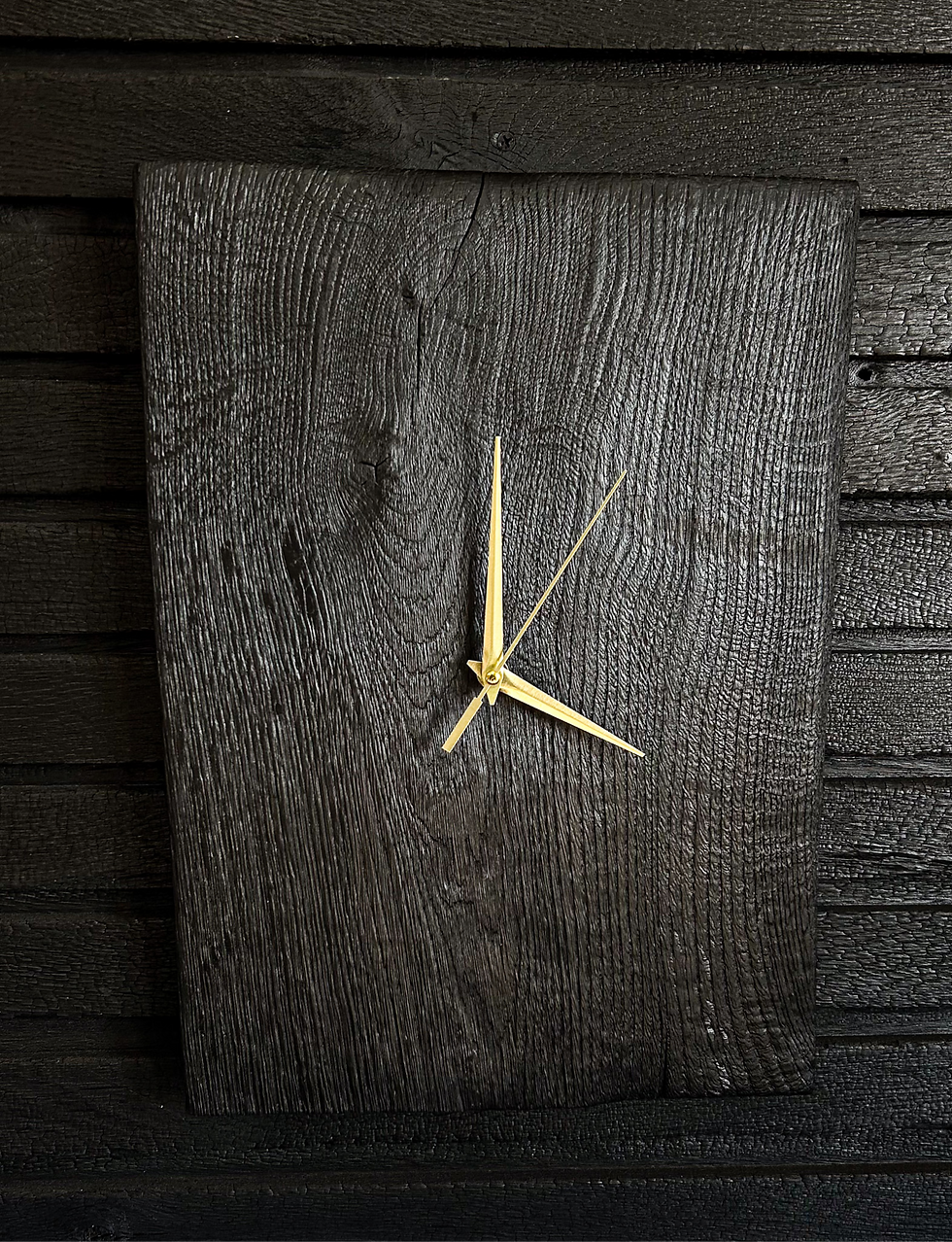
Black timber cladding is a modern variation of traditional wood cladding where the timber is treated, stained, or charred to achieve a deep black finish. This technique is often inspired by traditional wood-burning methods that enhance durability and resistance.
Why Black Timber Cladding is Trending
Striking visual contrast: Perfect for minimalist and contemporary designs
Timeless elegance: Works equally well in urban and rural settings
Enhanced durability: Charred or treated wood resists weathering and pests
Low maintenance finishes: Dark tones age gracefully over time
According to Inflamed’s timber cladding guide, blackened and burnt timber options combine traditional craftsmanship with modern performance, making them ideal for long-lasting architectural applications.
Timber Cladding Texture: Adding Depth and Character
One of the most appealing aspects of timber cladding texture is its ability to transform a flat surface into a visually dynamic façade.
Types of Timber Cladding Texture
1. Smooth Finish
Clean and modern appearance
Ideal for contemporary homes
2. Rough Sawn Texture
Rustic and natural look
Highlights the raw beauty of wood
3. Brushed or Wire-Brushed Texture
Enhances the grain pattern
Adds depth and tactile appeal
4. Charred Texture (Yakisugi Style)
Common in black timber cladding
Provides a dramatic, textured surface with enhanced durability
Timber’s natural grain variations ensure that every installation is unique, offering a bespoke architectural finish.
Types of Timber Cladding for Different Applications
Choosing the right type of timber cladding depends on your project requirements.
1. Softwood Cladding
Affordable and lightweight
Common choices: Pine, Spruce
2. Hardwood Cladding
Dense and durable
Ideal for high-exposure areas
3. Thermally Modified Timber
Enhanced resistance to moisture
Improved stability and longevity
4. Burnt or Charred Timber
Popular for black timber cladding
Naturally resistant to insects and decay
Benefits of Wood Cladding for Homes and Commercial Spaces
1. Weather Protection
Timber cladding acts as a protective barrier against rain, wind, and UV exposure.
2. Lightweight and Easy Installation
Compared to other materials, wood is easier to handle and install, reducing construction time.
3. Design Flexibility
From vertical to horizontal layouts, timber cladding allows endless design possibilities.
4. Increased Property Value
Its premium appearance enhances curb appeal and long-term property value.
Maintenance Tips for Timber Cladding
To keep your timber cladding looking its best:
Apply protective coatings or stains periodically
Ensure proper ventilation behind cladding
Clean surfaces to prevent mold or dirt buildup
Inspect for signs of wear or damage
While timber requires some maintenance, modern treatments significantly reduce upkeep needs.
Applications of Timber Cladding in Architecture
Residential Use
Exterior façades
Garden buildings
Interior feature walls
Commercial Use
Office exteriors
Retail spaces
Hospitality design
Landscape Design
Fencing
Outdoor structures
Decorative panels
The versatility of wood cladding makes it suitable for nearly any architectural project.
Frequently Ask Questions
1. What is black timber cladding and how is it made?
Black timber cladding is created by staining, painting, or charring wood to achieve a deep black finish. Charring also improves durability and resistance to weather.
2. What is timber cladding texture?
Timber cladding texture refers to the surface finish of the wood, such as smooth, rough, brushed, or charred, which affects both appearance and feel.
3. Is timber cladding suitable for all climates?
Yes, with proper treatment and installation, timber cladding performs well in various climates and provides insulation and protection.
4. How long does wood cladding last?
High-quality timber cladding can last 30–100 years, depending on the wood type, treatment, and maintenance.
5. Is black timber cladding high maintenance?
Not necessarily. Many black finishes, especially charred wood, are low-maintenance and age naturally without frequent repainting.
6. What are the benefits of timber cladding over other materials?
Timber cladding offers natural beauty, sustainability, insulation, and design flexibility compared to synthetic materials.
Conclusion
From the rich timber cladding texture to the bold elegance of black timber cladding, timber continues to redefine modern architecture. Its ability to combine sustainability, durability, and visual appeal makes it one of the most versatile materials available today.
Whether you choose traditional wood cladding or opt for a contemporary black finish, timber cladding offers a timeless solution that enhances both form and function.
If you’re planning your next architectural project, Inflamed is your trusted partner for premium-quality timber solutions. With expertise in innovative finishes and high-performance materials, Inflamed helps bring your vision to life with durable and visually striking timber cladding options.


Comments