
Exterior cladding delivers a stunning and elegant look to a structure. It lasts for decades. Black larch cladding is bold. It is beautiful. And it is one of the smartest cladding choices available today.
Cladding is made from natural wood as it may decay faster. The timber is first burned under controlled conditions. It becomes tougher as a protective layer is formed on the surface. It shields the wood from weather, insects and time. More architects and homeowners are choosing black larch cladding by Inflamed every year. And once you understand why, it is easy to see why it is becoming the go-to choice for modern exteriors.
What Is Black Larch Cladding?
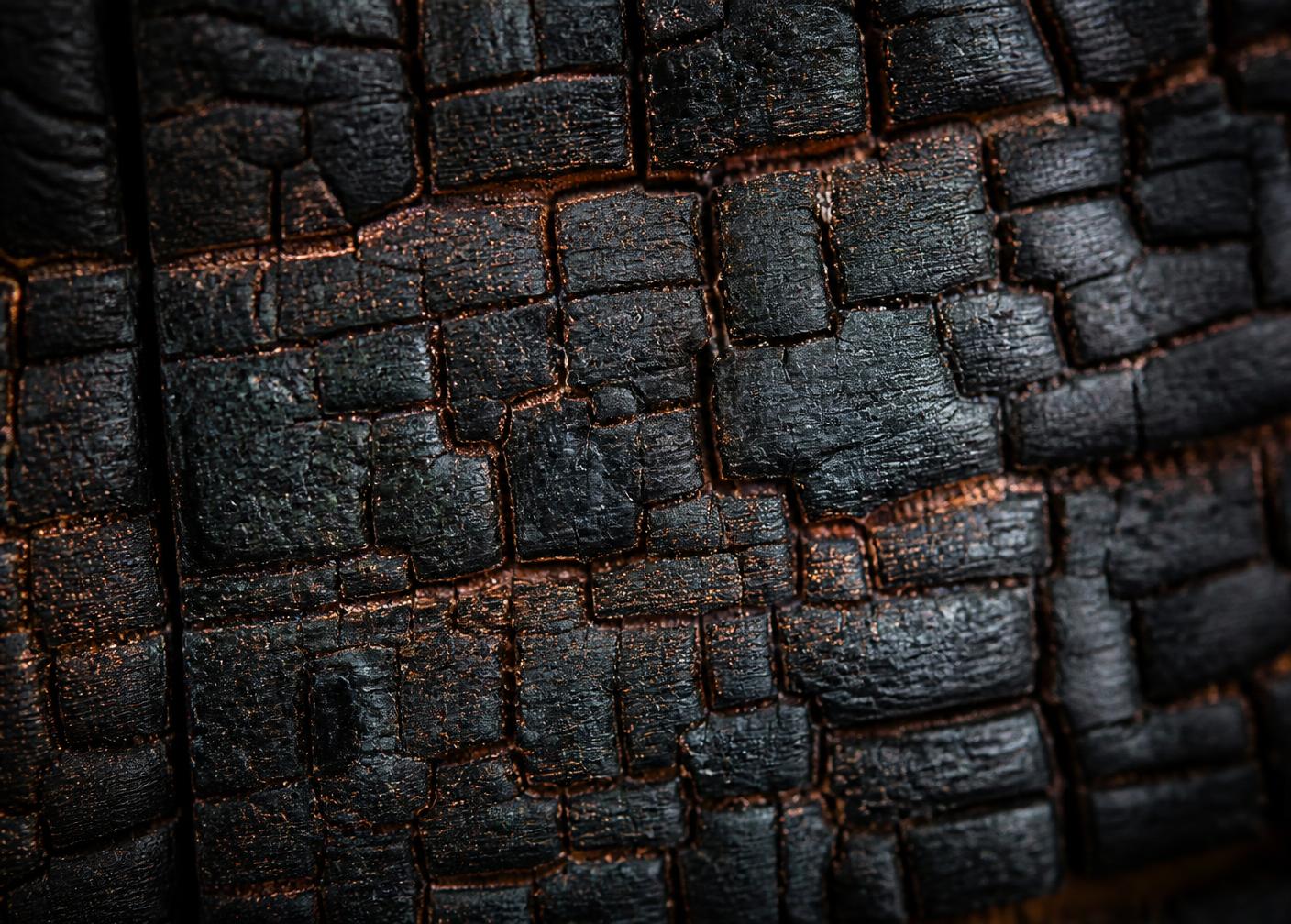
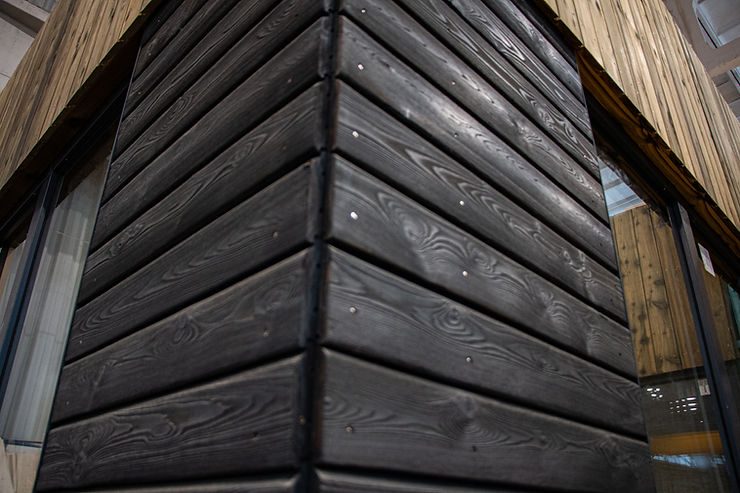
Black larch cladding is larch timber that has been charred using heat. The surface is burned until it turns deep black. It is then brushed and sometimes finished with oil.
The finish is striking. The timber has a rich black color. The surface texture becomes more visible. Larch is already a tough timber, good for exterior use. It is dense, naturally durable and handles wet weather extremely well. When you add the charring process on top of that, you get an exceptional cladding material.
The Burnt Wood Japanese Technique
The burnt wood Japanese technique has a name — shou sugi ban. It has been used in Japan for centuries. The process is straightforward. Timber is burned using controlled heat. The surface chars and carbonises. This creates a hard, protective layer over the wood. The technique was originally developed as a practical solution. Japanese builders needed a way to protect timber buildings from fire, insects and moisture without using chemicals. Burning the wood solved all three problems at once.
Today, this same burnt wood Japanese technique is being used on modern buildings all over the world. The method is ancient. The results are timeless.
Why Charred Wood Performs So Well
Charred wood is not just beautiful. It is genuinely tough. The charring process transforms the surface of the timber. Here is what that inflamed layer actually does.
Protection From Moisture
Due to charring, a carbon layer is created on the wood that repels water naturally. Now it no more absorbs rain. Thus, no harm, like rotting or swelling, is done to the wood.
Resistance to Insects
Insects and pests are not attracted to charred wood. The carbonised surface offers nothing for them to feed on. No chemical treatments are needed. The inflamed surface does the job on its own.
Natural Fire Resistance
Charred wood is more fire resistant than untreated timber. The carbon layer on the surface slows ignition and flames don’t spread quickly. The Japanese technique effectively fireproofs the wood naturally.
UV Protection
The deep black surface of black larch cladding absorbs UV rays rather than being damaged by them. This means the finish holds up better in strong sunlight than many other cladding materials.
How Long Does Black Larch Cladding Last?
Larch is a naturally durable softwood that resists rot and moisture. When charred, the durability increases significantly. Traditional Japanese buildings clad with the Japanese wood-burning technique. It lasted over 80 years with minimal maintenance. In modern buildings, black larch can be charred to last for more than six decades.
How Much Maintenance Does It Need?
Very little. That is one of the biggest practical advantages of black larch cladding . Occasionally, you can clean to remove dirt or algae. Unlike other timbers that need regular painting or oiling, it is a maintenance-free option.
Is Black Larch Cladding Sustainable?
Yes. Larch grows very fast. It is a renewable resource. The charring process uses no chemicals or harmful coatings. Only heat can bring the required effect. It is an environmentally friendly choice for exterior cladding. If you are looking for eco-friendly options for your home, it is the best choice.
What Does Black Larch Cladding Look Like Over Time?
The deep black color of the cladding softens over time. The surface develops silver and grey tones. The texture looks more pronounced. Many homeowners and architects prefer the aged look. Every board weathers differently due to its exposure to sun and rainfall. Every house with black cladding is unique in its own way.
Where Can Black Larch Cladding Be Used?
Almost anywhere. That is part of its appeal. It works beautifully on modern homes and contemporary self-builds. It looks equally stunning on urban structures and rural properties. Many boutique hotels, restaurants and commercial buildings use this type of cladding for a homely look.
Black larch cladding pairs perfectly with other popular modern materials. Raw concrete. Weathering steel. Large glass panels. It blends beautifully with any type of exterior materials.
Tips for Installing Black Larch Cladding
- Use a ventilated cavity. Always leave a gap behind the cladding for airflow. This prevents moisture buildup and extends the life of the timber.
- Choose the right profile. Shiplap, featheredge, and square-edge profiles all suit black larch. Pick the one that matches your design.
- Use stainless steel fixings. Standard fixings can rust and stain the timber. Stainless steel lasts as long as the cladding itself.
- Detail carefully around openings. Windows, doors, and corners need careful detailing to prevent water ingress.
- Source from a quality supplier. Not all charred larch is equal. Choose a supplier with a proven track record for consistency and quality.
Conclusion
Black larch cladding is a smart choice for home exteriors. It looks incredible. It performs exceptionally well. It needs very little maintenance. And it is kind to the environment. The charred wood finish draws on centuries of wisdom from the burnt wood Japanese technique. The timber’s durability makes it truly special.
Property owners include larch cladding designs in their new home, renovated property and commercial project. If you are interested in black larch cladding for your next project, get in touch with Inflamed today and find out how charred wood can transform your building's exterior.