
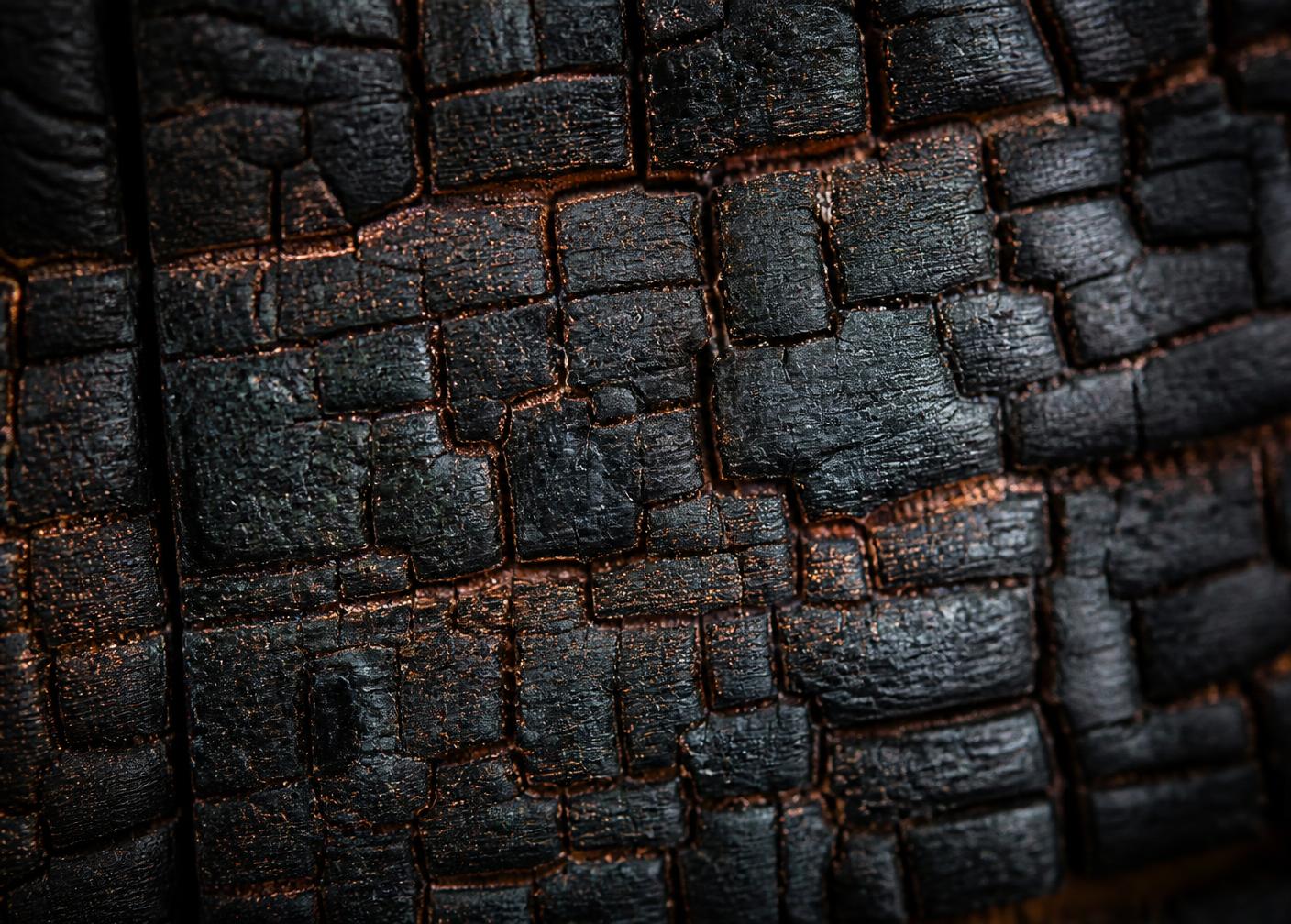
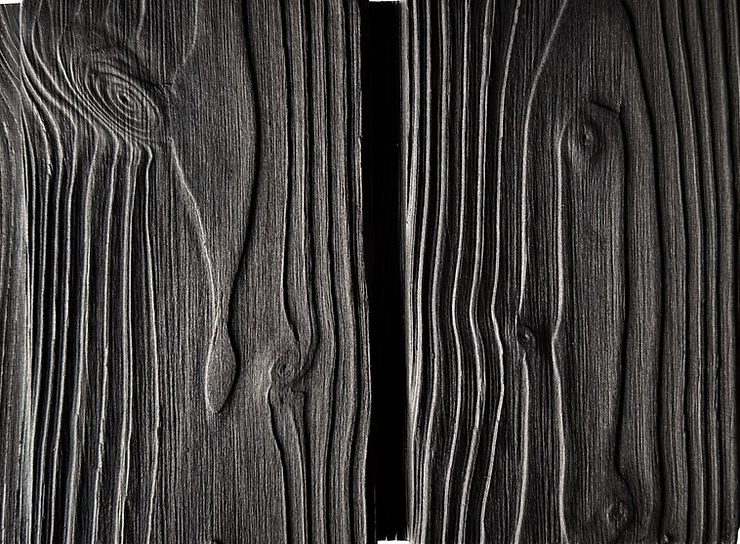
The main purpose of the application of Yakisugi (Shou Sugi Ban) on a fence is to increase its lifespan by 50-80 years and to protect it from environmental degradation, including rot, moisture, wood-killing insects, UV radiation, and fire. Apart from providing physical protection, a building with a Yakisugi fence is also rich in style, simple yet organic, with a rich black texture.
To learn more in detail, let's discuss the major advantages of this ancient Japanese method for burning wood, how it differs from a normal wooden fence, and how Shou Sugi Ban and Yakisugi fences, crafted by Inflamed , have become popular for use by architects in high-end outdoor wood projects.
What Is Yakisugi (Shou Sugi Ban)?
It's important to know the history and production process of charred wood in order to learn about why it works so effectively outside.
Origins and Terminology
Yakisugi, which dates back to the Edo era in 18th-century Japan, was created to shield coastal home siding from harsh sea spray, strong winds, and unrelenting humidity.
Yakisugi is the ancient Japanese word (Yaki = to burn/char, Sugi = Japanese cedar); however, it is now used universally. Modern architects all around the world are adopting Shou Sugi Ban as an alternate kanji reading. The method of regulated surface wood burning is described in both.
How the Wood Charring Process Works
- High Heat Charring : The timber is subjected to a very specific amount of time.
- Quenching : Water is used to stop the burning process as quickly as possible and to ensure structural stability.
- Brushing (Optional) : Any excess soot is brushed off, leaving rich amber tones as well as dramatic grain patterns below.
- Natural Oil Sealing : Use of a natural plant-based oil to cover the carbon layer and to protect from UV.
Why Is Yakisugi Used on a Fence?
Environmental stresses to which fences must withstand include rain, humidity from the ground, cold temperatures, and hot sun. Untreated wood rapidly fades, warps, and rots.
A shou sugi ban fence 's objective is to change the outer layer of wood's cellular structure. A non-organic barrier is made by carbonising basic wood to make charcoal. It will not be eaten by wood-boring insects, will not be easily penetrated by moisture, and is not degraded by UV light. Yakisugi is a permanent protection system without the need for artificial chemicals that penetrate the soil.
Practical Benefits of a Yakisugi Fence
When you acquire a charred wood fence from Inflamed , it offers several distinct practical and performance benefits over conventional fencing materials.
YAKISUGI BENEFIT:
| DURABILITY | RESISTANCE | SUSTAINABILITY |
| 50–80+ Year Lifespan | Rot & Mold Shield | 100% Non-Toxic |
| Low Maintenance | Pest & Insect Proof | Sustainable Species |
| Dimensional Stability | Flame Retardant | Recyclable Material |
Exceptional Durability & Lifespan
Because carbonized timber is chemically inert, a yakisugi fence maintains structural integrity long after conventional fences rot. While standard pine fences fail within 10–15 years, charred fencing routinely lasts 50 to 80 years or more.
Natural Weather & Moisture Resistance
Charring closes the pores in the wood, lessens the moisture absorption, and keeps the fence panels straight and dimensionally stable in the rain or sun.
Complete Protection Against Rot & Fungi
The carbonised layer prevents organic nutrition of fungal spores, thus preventing the rooting of rot in wet soil or under extreme humid conditions. Rotting fungi require cellulose that is available and moisture.
Chemical-Free Insect Defense
Soft sugars within raw timber are attacked by termites and wood-boring beetles. These sugars are destroyed by the intense heat of the treatment, and so charred wood fencing is naturally unpalatable to the pests without the use of toxic insecticides.
Flame Retardant Properties
The idea of using fire to make wood fire-resistant may seem like a contradiction, but the science is sound. During the first charring, the soft volatile compounds are burnt. This promotes the creation of a dense layer of carbon that protects the inside wood and prevents oxygen from entering.
Low Maintenance Overhead
A regular timber fence needs sanding, painting or re-staining every 2–3 years. Charring reduces the need for any significant structural maintenance and involves just a washing down and then an optional coat of natural oil applied at 7 to 10 year intervals to maintain the deeply finished look.
Luxury Architectural Aesthetics
Yakisugi produces a texture that is not possible to achieve with dark stains or paint. They can be deep, alligator skin (Suyaki), or sleek, brushed black, which reveals natural grain (Gendai).
Bearable & Non-Toxic Material
Instead of using heavy chemicals or copper treatments, Yakisugi uses only heat and real oils. It combines with wood that is acquired ethically, such as Charred Accoya, to create an eco-friendly fence option that won't damage your family, pets, or garden soil.
People also ask: As an architect, why do I prefer Yakisugi for modern projects?
For high-end residential and commercial constructions, architects and landscape designers choose to use Yakisugi cladding and fencing based on its characteristics:
- Seamless Interior-Exterior Design : Make sure the exterior of house cladding is coordinated with perimeter fencing for a cohesive design scheme.
- Striking Material Contrast: The contrasting material used is a deep black colour which contrasts with the green leafy plants, glass and poured concrete, and natural stonework.
- Graceful Aging Patina: The natural colour of charred wood, which is not pleasant, is grayish-black, and over the years, the wood becomes stronger.
The Core Difference Between Yakisugi Fence vs. Traditional Wooden Fence
| Feature / Metric | Yakisugi (Shou Sugi Ban) Fence | Traditional Pressure-Treated Fence | Standard Stained / Painted Fence |
| Expected Lifespan | 50 to 80+ Years | 10 to 15 Years | 15 to 20 Years |
| Maintenance Needs | Very Low (Re-oil every 7–10 yrs) | High (Sealing & chemical treatments) | High (Repaint/stain every 2–3 yrs) |
| Weather & UV Resistance | Exceptional (Carbon layer) | Moderate (Prone to cracking/warping) | Moderate (Coating peels over time) |
| Insect & Rot Defense | Natural & Non-Toxic | Chemical Additives | Chemical Stains / Surface Sealants |
| Chemical Toxicity | 100% Eco-Friendly | High (Leaches chemicals into soil) | Varies (VOCs in paints/stains) |
| Cost Over Time | Lowest (Minimal upkeep costs) | High (Frequent repairs & replacement) | High (Cumulative labor & stain costs) |
Is a Yakisugi Fence Worth the Investment?
While the initial material cost of pre-charred timber is higher than off-the-shelf pine, a yakisugi fence offers superior long-term ROI.
Every two to three years, standard fences need to be power washed, sanded, restored, and have their rotten or warped posts replaced. A conventional fence may need to be replaced twice in 30 years. The most economical long-term option is a charred timber fence, which removes these maintenance expenses and lasts for many generations.
Expert Tips Before Buying
- Choose High-Performance Species : Cedar, Larch, Pine, Spruce, and goaded timbers (such as Charred Accoya) provide a balance of strength and char retention.
- Use Specialist Supplies : There must be precise control of the temperature when the uniform is being charred in the industrial process to ensure maximum life.
- Select Your Desired Texture : You can use heavy-char alligator skin (Suyaki) or brushed finishes (Gendai), which is more modern and has a wood grain look.
- Put Stainless Steel Fasteners to Use : Avoid chemical reactions and unsightly dark streaks from other hardware – always use stainless steel fasteners.
- Provide proper ground clearance : Avoid having vertical pickets too low to the ground, or in soil and water, where moisture will wick around the base of the verticals.
People Also Ask:
Quick Answer: Why Choose a Charred Wood Fence?
- 50–80+ Year Lifespan : The advantage of charred timber is that it is more enduring than pressure-treated pine.
- Natural Rot & Moisture Resistance : This outer carbonized layer provides a natural barrier to fungal growth and dampness.
- Pest & Insect Barrier : Natural sugars and cellulose in wooden walls are destroyed by the heat and stop attracting termites and beetles. The termites and beetles are not attracted to the natural sugars and cellulose in wooden walls any longer because of the heat.
- Fire Retardant Properties : These soft, volatile molecules are removed, and a surface layer is left that is naturally flame resistant.
- Low Maintenance : Saves on the need to re-paint, re-stain, or sand as hard as it gets every couple of years.
- 100% Eco-Friendly : Naturally thermoforms rather than coats with harsh and toxic chemicals.
Conclusion: Sustainable Longevity and Modern Style
Applying Yakisugi or Shou Sugi Ban on a fence is actually intended to combine superior architectural design with practical defence. With a premium solution from Inflamed, you can create a fence that naturally withstands water, insects, decay, and severe weather by burning the wood's exterior into an inert carbon layer. This eliminates the need for hazardous chemical sprays or ongoing upkeep.
Ready to Upgrade Your Property Boundary?
Contact Inflamed to check out our superior assortment of Yakisugi wood, sustainable Shou Sugi Ban timber, and bespoke outdoor fence options. To purchase samples, go over technical details, or get a tailored price, get in touch with our wood specialists right now.