
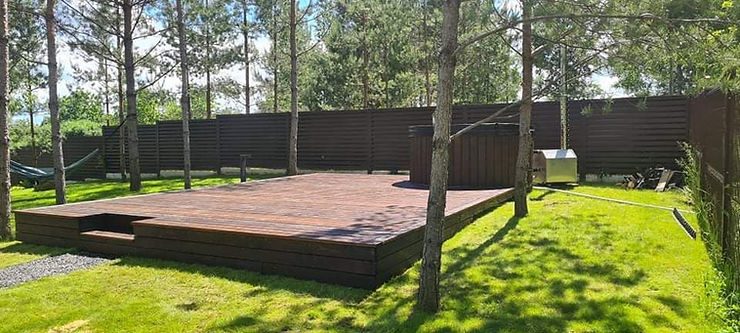
We get a lot of attention when we install lovely flooring outside our home. Isn't it? A dependable and appealing deck may be used as a personal retreat, an outdoor living area, or a way to incorporate nature into everyday life. The living space, visual attractiveness, and market value of a house are all enhanced by well-chosen decks. The kind of flooring is one of the most crucial decisions when building a deck. Choosing between a regular deck and burnt cedar decking can occasionally be difficult.
Having the proper deck material is crucial when creating an outdoor area. Although they look excellent, traditional timber decks can require continuous maintenance. Due to this, nowadays a lot of homes are using charred cedar decking as a long-term substitute. The classic Japanese technique known as Yakisugi strengthens and extends the life of wood. To help you in determining the ideal deck material, the guide below distinguishes the two possibilities.
What Is Burnt Cedar Decking?
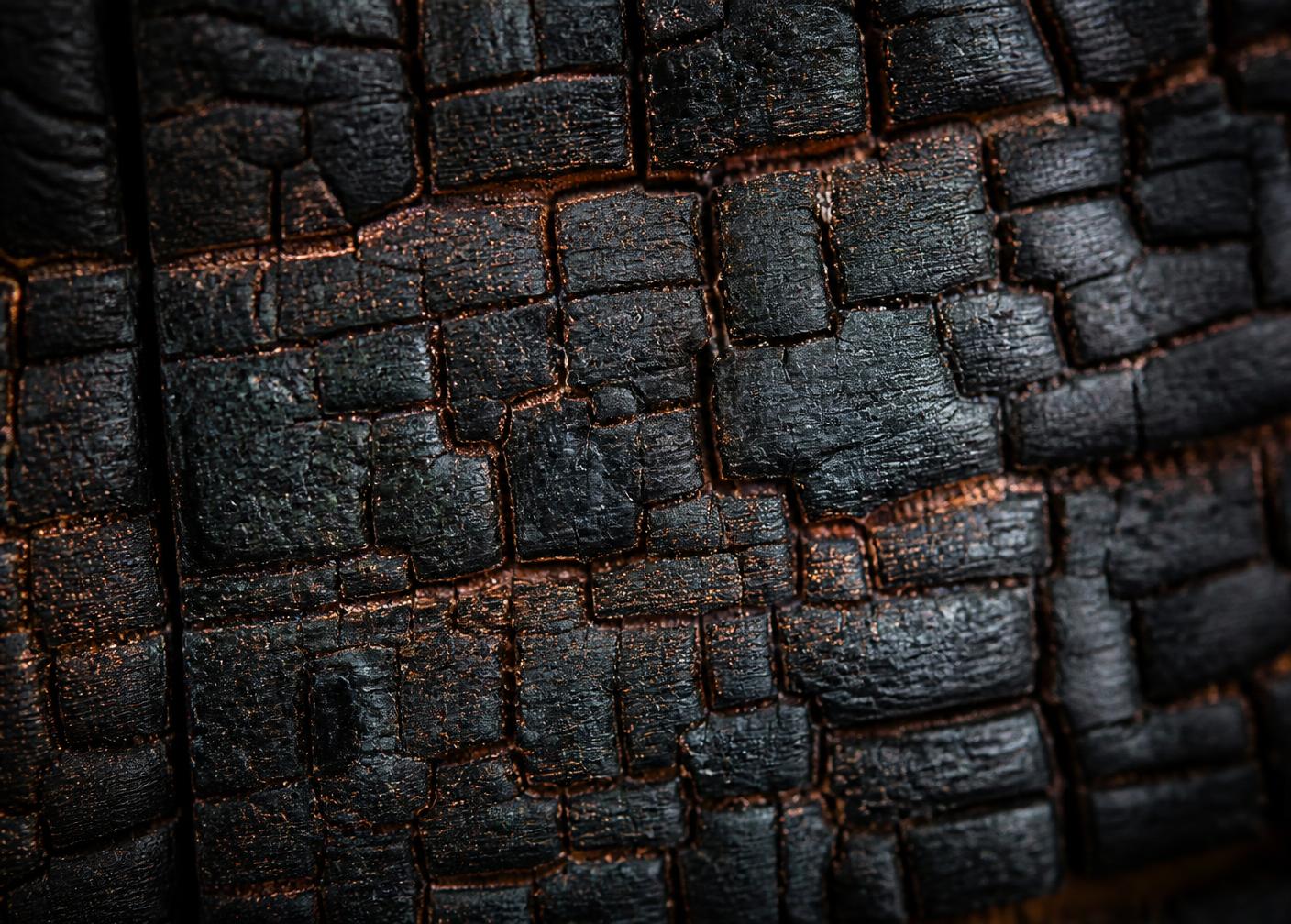
Burnt cedar decking comes from a special heating process called Shou Sugi Ban. The outer layer of the wood is charred with controlled fire to strengthen it. This ancient process seals the wood fibers without using harsh artificial chemicals.
We at Inflamed craft these premium boards for long-term outdoor use across Europe. The resulting surface develops a rich color and a unique, durable charcoal texture.
The Customary Approach: Shou Sugi Ban
Natural cedar boards are used to make true charred cedar decking. A propane torch is used to gently burn the wood until a small coating of carbon char forms on its surface.
The Method: To preserve the carbon layer and accentuate the deep grain, the wood is usually coated with natural oils after the superficial char has been brushed off.
Advantages: The wood is extremely resistant to moisture, UV radiation, fungal rot, and insects because the carbon layer serves as a natural barrier.
What Is Traditional Timber Decking?
Conventional wooden decking is elevated outdoor flooring composed of natural wood, usually classified into hardwoods like teak or ipe and softwoods like pressure-treated pine or cedar. After being cut and treated, these hardwoods or softwoods are placed in outdoor living spaces. Natural wood adds a warm, organic beauty to gardens, patios, and backyard spaces. However, raw wood is still fragile and susceptible to moisture, insects, and bad weather. If standard boards are not regularly dyed and sealed, they will ultimately deteriorate and distort.
Understanding The Ancient Yakisugi Craft
The tradition of charring wood originated in Japan centuries ago to protect coastal homes. Japanese craftsmen burned cedar planks to defend buildings against salty ocean air and rain. Today, a modern yakisugi deck combines this heritage with modern architecture and design. The surface char creates a natural barrier against biological decay and damp weather conditions. This traditional technique transforms basic timber into a highly durable building material.
How Flame Treatment Protects Wood
Charring changes the chemical composition of the outer wood fibers on a fundamental level. The high heat burns away cellulose, which hungry insects and fungi feed upon. Without cellulose, wood pests lose interest, preventing serious structural damage over the years. Furthermore, the charred carbon layer acts as a protective shield against moisture absorption. Water sits on the surface instead of soaking deep inside the timber boards.
Comparing Lifespan And Overall Durability
A standard pine deck usually lasts between ten and fifteen years with regular care. Even high-end hardwood decks struggle after twenty years of heavy exposure to rain. In contrast, high-quality charred timber decking can easily last over fifty years. Some traditional Japanese charred buildings have actually stood strong for over a century. This superior lifespan makes burnt wood a far more reliable long-term home investment.
Weather Resistance And Seasonal Damage
Rain, sun, and snow continuously wear down untreated or lightly stained wood boards. Water causes wood to swell, while harsh sunlight causes deep cracks and splintering.
A charred wood decking installation resists extreme climate changes much better than normal timber. The burnt layer prevents heavy UV rays from breaking down the core wood structure. Your outdoor space stays smooth and free of dangerous splinters across every season.
Maintenance Requirements Over The Years
Conventional wood decks require annual staining, sanding, and cleaning. Ignoring seasonal maintenance promotes the growth of mold and accelerates structural deterioration. On the other hand, maintaining the cleanliness and new aspect of a yakisugi deck involves little work. You can use ordinary water to clean the surface after sweeping away any fallen leaves. For many years, the dark finish remains vibrant with the regular application of natural wood oil.
Fire Safety And Natural Protection
It sounds surprising, but charring wood actually makes it more fire-resistant than raw timber. The deep carbon layer formed during manufacturing creates a natural flame-retardant outer shield. This char barrier slows down combustion if hot embers or sparks touch the boards. Products from Inflamed offer peace of mind alongside striking black and grey visual aesthetics. Your outdoor area gains both safety benefits and a modern architectural design statement.
Cost Comparison And Value Return
Traditional timber costs less upfront, but maintenance expenses quickly accumulate over time. Stains, sealers, and replacement boards add high costs throughout the deck's total lifespan. Choosing burnt cedar decking requires a higher initial investment during installation. However, low upkeep expenses and exceptional longevity save substantial money in the long run. You enjoy a premium product that enhances home value without continuous repair costs.
Key Comparison At A Glance
| Feature | Burnt Cedar Decking | Traditional Timber Deck |
| Average Lifespan | 50+ Years | 10 to 20 Years |
| Maintenance Need | Low (Occasional rinsing & oil) | High (Annual sanding & staining) |
| Insect Resistance | High (Cellulose burned away) | Low to Medium (Needs chemical treatment) |
| Moisture Shield | Excellent (Charred barrier) | Moderate (Relies on sealant) |
| Splintering Risk | Extremely Low | High over time |
Final Words
When comparing both options, burnt timber clearly outperforms standard wood in every major category. While traditional boards offer initial savings, their high upkeep costs accumulate rapidly over time. Choosing charred timber decking gives your home a unique blend of strength and visual elegance.
We at I nflamed offer high-quality charred boards made to endure harsh weather conditions for many years. Purchasing charred wood guarantees a lovely, low-maintenance outdoor area that you can enjoy without fear. Get in touch with us right now if you want to update your area with the most appealing and long-lasting charred cedar decking floor. We would gladly provide you with our finest services.