
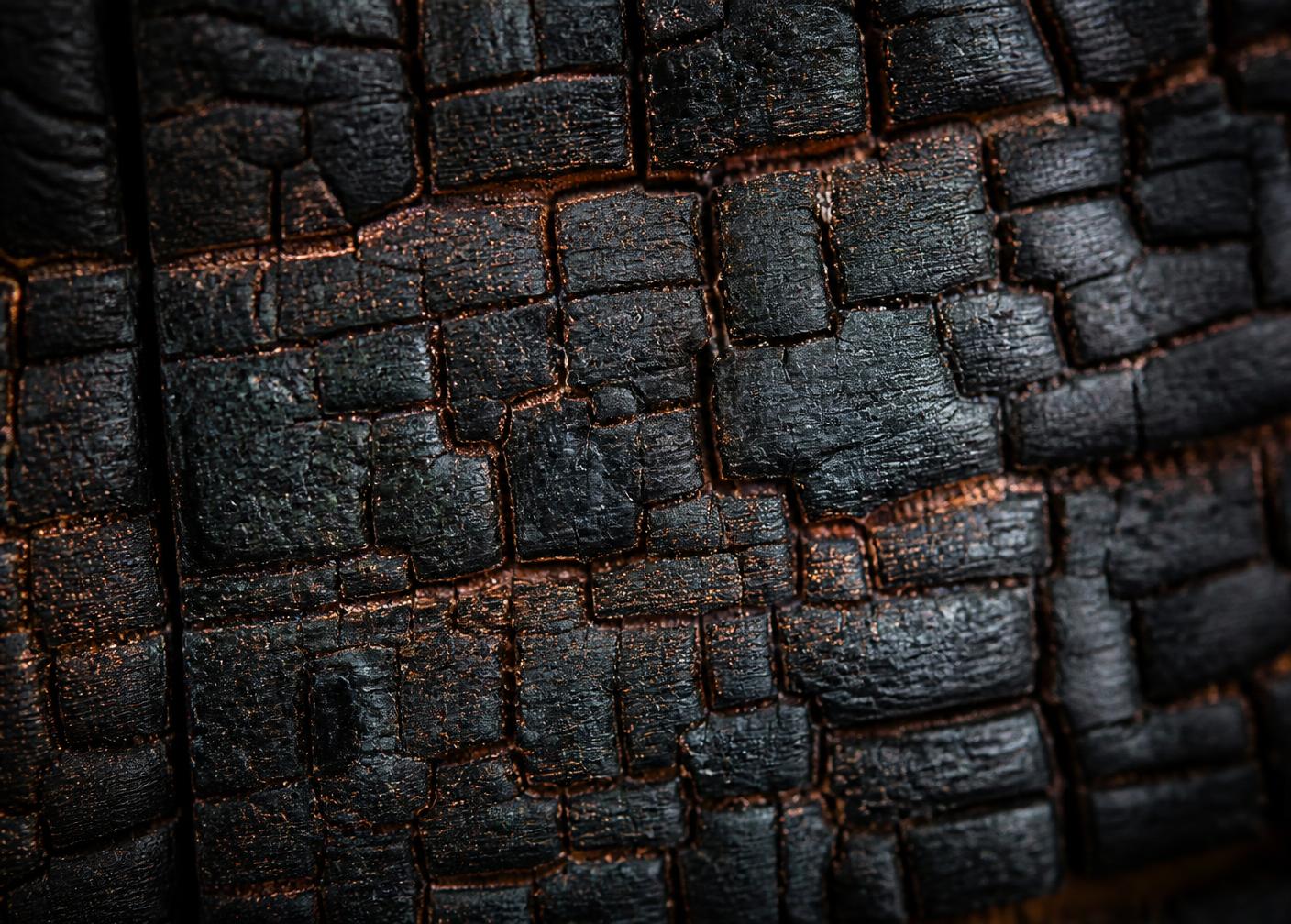
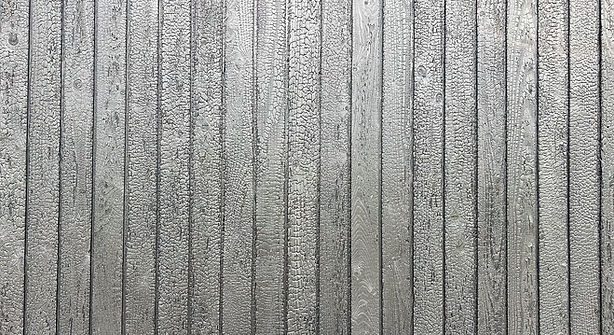
There’s something deeply captivating about fire touching wood.
The crackle, the transformation, the way raw timber turns into something bold, textured, and timeless—it’s not just a technique, it’s a craft rooted in centuries of tradition. That’s the essence of Shou Sugi Ban . But as this method becomes more popular in modern architecture and exterior design, one question keeps surfacing:
Can you burn pressure-treated wood with Shou Sugi Ban?
At first glance, it might seem like a simple yes or no. But the truth is layered—and getting it wrong can affect not just your project, but your safety too.
Let’s explore this in depth.
Understanding Shou Sugi Ban: More Than Just Burning Wood
Shou Sugi Ban is not about randomly torching wood. It’s a controlled charring process that enhances durability, deepens texture, and brings out a striking, organic finish.
Traditionally used on untreated cedar, the process creates a protective carbon layer that naturally resists:
- Moisture
- Insects
- Rot
This is why shou sugi ban cladding has become a favorite among architects and designers who want both beauty and performance in exterior finishes.
At inflamed, this philosophy is at the heart of every surface we create—where fire becomes a tool for refinement, not destruction.
What Is Pressure-Treated Wood?
Pressure-treated wood is infused with chemical preservatives under high pressure. These chemicals are designed to protect the wood from:
- Fungal decay
- Termites
- Moisture damage
It’s commonly used for outdoor structures like decks, fences, and posts. On paper, it sounds durable and practical.
But here’s where things get complicated.
The Core Issue: Fire Meets Chemicals
Burning pressure-treated wood is not the same as burning natural timber.
When you apply flame to treated wood, you’re not just charring wood fibers—you’re also heating chemical compounds embedded deep inside the material. This can release:
- Toxic fumes
- Harmful gases
- Unpredictable residues
It’s not just about ruining the finish. It’s about creating a situation that can be unsafe for you and anyone nearby.
So while the idea of combining treated wood with the Shou Sugi Ban technique might sound efficient, in reality, it goes against the very essence of the craft.
Why Treated Wood Doesn’t Work for Shou Sugi Ban
Let’s break it down clearly.
1. Unpredictable Results
Shou Sugi Ban relies on controlled, even burning. Treated wood doesn’t burn evenly due to chemical saturation, leading to patchy, inconsistent surfaces.
2. Health Risks
The smoke from treated wood can carry toxic elements. This isn’t something you want to inhale—or release into your environment.
3. Compromised Aesthetics
Instead of the deep, rich tones associated with charred wood cladding , you may end up with a dull, uneven, or even damaged surface.
4. Structural Integrity Issues
Heat can react with the chemicals in treated wood, weakening its internal structure instead of strengthening it.
The Emotional Side of Craftsmanship
There’s a quiet satisfaction in doing things the right way.
When you choose the right wood, take the time to char it properly, brush it, and finish it—you’re not just building something. You’re creating a surface that tells a story.
At inflamed, every board reflects that intention. Fire is used with respect, not shortcuts.
Trying to force Shou Sugi Ban onto treated wood feels like skipping the soul of the process. It may save time initially, but it takes away the authenticity that makes the result truly special.
What Wood Should You Use Instead?
If you’re aiming for a genuine Shou Sugi Ban finish, stick with natural, untreated wood.
Some of the best options include:
- Cedar
- Larch
- Pine (properly selected)
- Spruce
These woods respond beautifully to charring, creating the deep textures and tones that define shou sugi ban cladding .
They also allow you to control the burn, ensuring both safety and visual consistency.
Why Charred Wood Cladding Is Worth Doing Right
There’s a reason why charred wood cladding continues to grow in popularity across modern architecture.
It offers:
- A bold, architectural aesthetic
- Long-lasting durability without heavy chemicals
- Low maintenance over time
- A natural connection between structure and environment
When done correctly, it doesn’t just protect a building—it elevates it.
At inflamed , the goal is not just to create surfaces, but to shape experiences. The depth of each charred finish carries warmth, texture, and a sense of permanence that manufactured alternatives simply cannot replicate.
Common Misconception: Treated Wood Is Already Protected
This is where many people get confused.
Yes, pressure-treated wood is designed to resist decay. But that doesn’t mean it’s compatible with every finishing method.
Shou Sugi Ban is not about adding protection—it’s about transforming the wood itself into a protective surface.
When you start with treated wood, you’re layering one system over another that wasn’t meant to interact with fire. The result is neither efficient nor reliable.
If You’ve Already Used Treated Wood
If your structure is already built with treated wood, don’t panic.
You still have options:
- Use alternative finishes like stains or paints
- Add cladding layers using untreated wood on top
- Consult professionals for safe surface treatments
Trying to burn it after installation is not recommended. It’s simply not worth the risk.
The inflamed Approach
At inflamed, every decision begins with respect—for materials, for craft, and for the final result.
We don’t cut corners by mixing incompatible techniques. Instead, we focus on creating authentic, high-quality charred wood cladding that stands the test of time.
Because in the end, it’s not just about how something looks on day one. It’s about how it feels, ages, and endures over years.
Fire can reveal beauty—but only when used with intention.
Final Verdict
So, can you burn pressure-treated wood with Shou Sugi Ban?
Technically, you can—but you absolutely shouldn’t.
It’s unsafe, unpredictable, and goes against the principles that make Shou Sugi Ban so powerful in the first place.
If you’re investing your time, effort, and vision into a project, it deserves the right materials.
Choose natural wood. Respect the process. Let the fire do what it was meant to do.