
Yes, you can use charred wood indoors, and many homeowners and designers are embracing this striking Japanese technique known as Shou Sugi Ban for interior applications. This ancient practice has transitioned from purely functional exterior siding to a sought-after interior design element. In this guide, we'll explore the advantages and potential drawbacks of bringing carbonised wood into your home, where to use it safely, and best practices for installation and maintenance.
What is charred wood? A brief overview
Shou Sugi Ban (also called Yakisugi) is a traditional Japanese wood preservation technique dating back to the 18th century. The process involves carefully burning the surface of wood planks—typically cedar—to create a carbonised layer. This controlled charring transforms the wood's appearance while enhancing its natural properties.
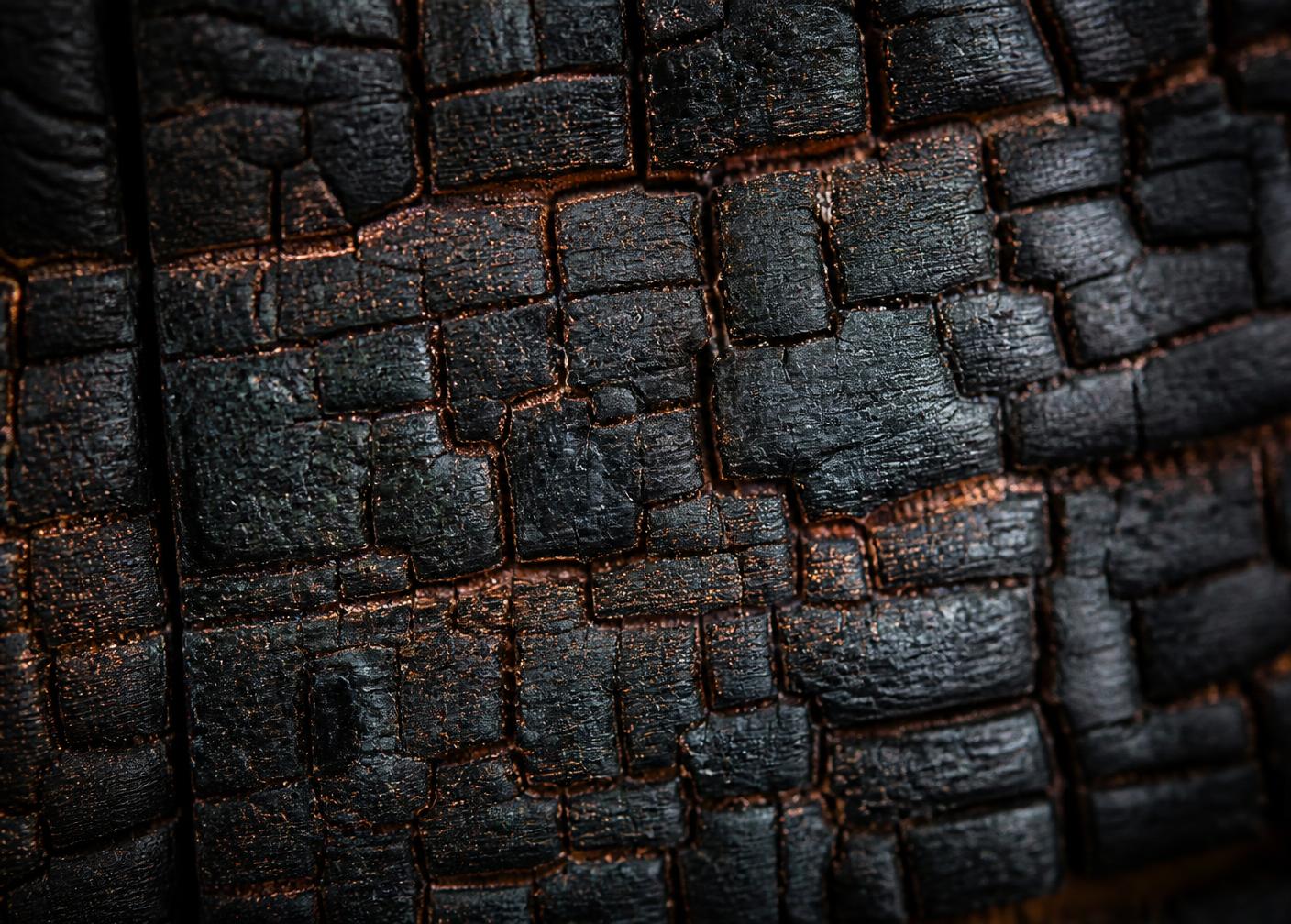
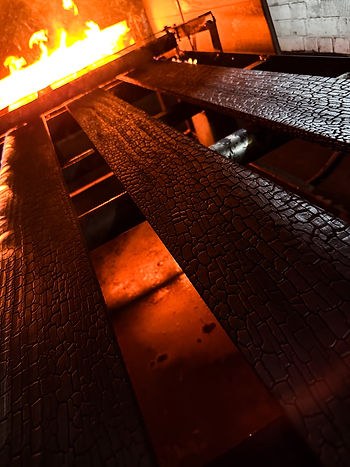
The technique begins by exposing the wood to open flame until the surface blackens and develops its characteristic alligator-skin texture.After charring, the wood is cooled and cleaned of loose carbon, then typically finished with natural oils. Modern adaptations sometimes use blowtorches rather than the traditional bonfire method, but the principle remains the same: using fire to protect wood.
While traditionally used for exterior siding, indoor charred wood applications have gained popularity for their dramatic aesthetic and practical benefits in contemporary interior design.
Pros of using charred wood indoors
Indoor charred wood offers numerous advantages that go beyond its striking appearance. Here's why many homeowners and designers are incorporating this ancient technique into modern interiors:
Aesthetic appeal & unique texture
The deep black surface of charred wood creates a dramatic focal point in any room.Each piece develops a unique pattern and texture during the burning process—from subtle ripples to deep alligator-like cracking. This organic character adds depth and visual interest that's impossible to replicate with paint or stain.
The contrast between the charred black surface and natural wood grain creates a sophisticated, contemporary look that pairs beautifully with various design styles, from industrial and modern to rustic and Japanese wabi-sabi aesthetics. Many designers appreciate how charred wood accent walls absorb light rather than reflect it, creating a sense of depth and cosiness.
Enhanced durability & low maintenance
One of the key charred wood benefits is its remarkable durability. The carbonisation process creates a protective layer that's more resistant to scratches, dents, and general wear than many conventional wood treatments.This makes it particularly valuable for high-traffic areas or homes with children and pets.
Unlike painted surfaces that chip or show wear patterns, properly sealed charred wood maintains its appearance with minimal intervention. The natural aging process typically enhances rather than diminishes its beauty, developing a patina that many find desirable.
Natural resistance to moisture, pests & decay
The charring process transforms the wood's cellular structure, creating a natural moisture barrier that helps prevent warping, cupping, and other moisture-related problems common with untreated wood. This makes carbonised wood suitable for areas with humidity fluctuations like bathrooms (though not in direct water contact).
Additionally, charred wood naturally repels insects like termites and wood-boring beetles.The carbon layer eliminates the food source these pests seek, providing chemical-free insect resistance that's particularly valuable for older homes or regions prone to termite issues.
Fire resistance & safety
It may seem counterintuitive, but properly charred and sealed wood offers improved fire resistance compared to untreated lumber.The carbonisation process essentially pre-burns the most flammable components of the wood, while proper sealing prevents oxygen from reaching the unburned portions beneath.
While not completely fireproof (no wood product is), flame-retardant charred wood has already undergone combustion of its most volatile compounds, potentially slowing fire spread compared to raw wood—a factor worth considering when evaluating can you use charred wood indoors safely.
Cons and considerations for indoor use
Despite its many advantages, using charred wood indoors presents some challenges that should be carefully evaluated before installation:
Indoor air quality & off-gassing
Improperly finished charred wood may shed carbon particles or release volatile organic compounds (VOCs) from the burning process. While properly sealed Shou Sugi Ban minimises these issues, it's important to consider airborne particles, especially in homes with allergy sufferers or respiratory conditions.
The type of sealant used also impacts air quality—some traditional oil finishes emit VOCs during curing. Addressing charred wood safety concerns means selecting low-VOC or zero-VOC sealants specifically formulated for indoor use, particularly in bedrooms or other spaces with limited ventilation.
Dust, cleanup & maintenance challenges
Unsealed or poorly sealed charred surfaces can release carbon dust, which may transfer to clothing, furniture, or skin. This residue can be challenging to clean from textiles and other porous surfaces, creating ongoing maintenance issues.
Cleaning charred wood requires delicate handling to preserve the textured surface. Standard wood cleaners or abrasive materials may damage the finish or remove the desired carbonised layer. Specialised care routines typically involve gentle dusting rather than wet cleaning methods used on conventional wood surfaces.
Moisture trapping & mold risk
While carbonised wood resists moisture on its surface, improperly sealed edges or joints can potentially trap moisture between the wood and wall. In environments with indoor humidity fluctuations, this trapped moisture might create conditions for mold growth behind panels or inside wall cavities.
Proper installation techniques with appropriate vapor barriers and ventilation gaps become crucial in wet areas like bathrooms or regions with high humidity levels to prevent mold on charred wood installations.
Building codes, fire regulations & liability
Local building codes may restrict certain interior wood applications, particularly regarding fire safety standards. Before installing extensive charred wood elements indoors, verify compliance with local regulations, which may require specific fire ratings or installation methods.
Some insurance companies may have concerns about non-standard interior finishes. It's advisable to consult with your homeowner's insurance provider before extensive installation to understand any potential policy implications or documentation requirements.
Choosing the right wood species & finishes for indoors
The success of indoor charred wood applications depends significantly on selecting appropriate materials:
Best wood types for charred interiors
Cedar remains the traditional and often preferred choice for Shou Sugi Ban due to its natural oils and straight grain that respond predictably to charring. Western red cedar indoors produces a consistent char and pleasant aroma, though the scent dissipates over time.
Other excellent options include cypress (which chars beautifully and contains natural preservative oils), pine (more affordable but less consistent), oak (durable but challenging to char evenly), and Douglas fir (dimensionally stable with prominent grain patterns). Each species produces distinct textures and patterns when charred, allowing customisation to suit your aesthetic preferences.
Sealant & finishing options
Finishing is perhaps the most crucial step for successful indoor charred wood installations. The right charred wood sealant creates a protective barrier that prevents carbon transfer while enhancing the wood's natural beauty:
- Natural oils: Traditional options like tung oil or linseed oil penetrate deeply and enhance the wood's natural character. However, they require multiple applications and regular maintenance.
- Shellac: Creates a warm, amber-toned finish that seals effectively while allowing the texture to remain prominent. It offers moderate protection suitable for low-traffic applications.
- Water-based polyurethane: Provides excellent protection with minimal VOCs, making it ideal for indoor applications. Modern formulations offer flexibility that adapts to the wood's natural movement.
- Oil-based polyurethane: Delivers superior durability and moisture resistance but contains higher VOC levels. Consider this option only in well-ventilated spaces where maximum protection is required.
For most indoor applications, VOC-free sealants specifically formulated for interior use offer the best balance of protection and safety.Always test your chosen finish on a sample piece to verify compatibility and the desired appearance.
Installation tips & maintenance best practices
Successful indoor charred wood installations require careful preparation and ongoing care to maintain their beauty and functionality:
Before installation
- Acclimatise all wood to your indoor environment for at least 72 hours before installation
- Thoroughly brush off loose carbon using a soft-bristled brush in a well-ventilated area (preferably outdoors)
- Vacuum all surfaces with a HEPA filter attachment to remove remaining carbon particles
- Pre-finish all edges and hidden surfaces before installation to prevent moisture intrusion
- Wear appropriate protective gear including dust masks during preparation
During installation
- Maintain adequate ventilation throughout the process
- Use proper backing materials and installation methods suitable for the specific application
- Leave appropriate expansion gaps to accommodate seasonal wood movement
- Keep a fire extinguisher on hand as a precautionary measure
- Apply final sealing coats after installation to ensure complete coverage of edges and fastener points
Ongoing maintenance
Proper charred wood maintenance ensures longevity and continued beauty:
- Dust regularly with a soft microfiber cloth or vacuum with a soft brush attachment
- Avoid wet cleaning methods or abrasive cleaners that might damage the carbonised surface
- Inspect annually for any damage to the sealant
- Re-apply sealant every 1-3 years depending on wear patterns and environmental conditions
- Address any damage promptly to prevent moisture penetration into the wood substrate
Following these interior wood care guidelines will help maintain the distinctive character of your Shou Sugi Ban features while preventing common issues associated with indoor applications.
Ideal indoor applications of charred wood
Some locations within homes and commercial spaces are particularly well-suited to showcase charred wood's unique properties:
Accent walls & ceilings
Perhaps the most dramatic application, charred wood accent walls create stunning focal points that anchor a room's design.The textured black surface absorbs light rather than reflects it, creating depth that can make spaces feel both larger and more intimate simultaneously.
Feature walls behind beds, fireplaces, or in entryways offer high visual impact with relatively modest material requirements. Ceiling applications, especially in rooms with high ceilings, can create a sense of intimacy while adding architectural interest to otherwise plain spaces.
Furniture & built-ins
Charred wood furniture provides durable, distinctive pieces that serve as functional art.Tables, shelving, cabinet fronts, and built-in storage units benefit from carbonised wood's scratch resistance and unique aesthetic.
The technique works especially well for statement pieces like dining tables, kitchen islands, or custom headboards where the distinctive texture becomes a conversation starter. Built-in shelving with charred wood backing creates dramatic display areas that highlight decorative objects against the dark background.
Decorative elements
Smaller Shou Sugi Ban decor accents offer a low-commitment way to incorporate this technique into your home. Picture frames, floating shelves, wall art, and decorative panels add visual interest without overwhelming a space.
Carbonised wood accents pair beautifully with contrasting materials like light concrete, brass, or white walls, creating balanced compositions that showcase the material's unique properties while integrating harmoniously with existing decor.
For maximum impact with minimal commitment, consider charred wood as trim around doorways, as stair risers, or as decorative beams that create architectural interest without dominating the overall design scheme.
Conclusion
Yes, you can absolutely use charred wood indoors—with proper preparation, sealing, and maintenance. When executed correctly, indoor Shou Sugi Ban creates visually stunning, durable, and uniquely textured surfaces that add character and warmth to contemporary interiors.
The key to success lies in understanding both the advantages and limitations of this ancient technique. By selecting appropriate wood species, using proper sealing methods, following installation best practices, and maintaining surfaces properly, you can safely enjoy the distinctive beauty of charred wood in your home for many years.
Whether you're planning a dramatic accent wall, statement furniture piece, or simple decorative elements, the timeless character of properly executed yakisugi brings a sense of craftsmanship and natural beauty that few other materials can match.