
Homes are becoming more than just places to reside. They are reflections of ideals, experiences, and the way we choose to interact with everyday life. Nowadays, homes and planners have also begun to shift away from glossy perfection and toward components that seem natural, textured, and actually human. One of the prior reasons for the shou sugi ban exterior style gaining popularity across the world is this transformation.
Charred wood is not a transitory fad or a design trick. Tradition, tenacity, and subdued beauty are the foundations of this ideology. As modern houses look for warmth without opulence and luxury without noise, charred wood furniture has grown as a prospective choice—one that balances depth of emotion with construction impact.
Why Charred Wood Is Useful in Today's World
Fast-paced, computerized, and sometimes confusing is modern life. It is now expected of interior spaces to offer emotional grounding, balance, and tranquility. This is where charred wood decoration truly sparkles.
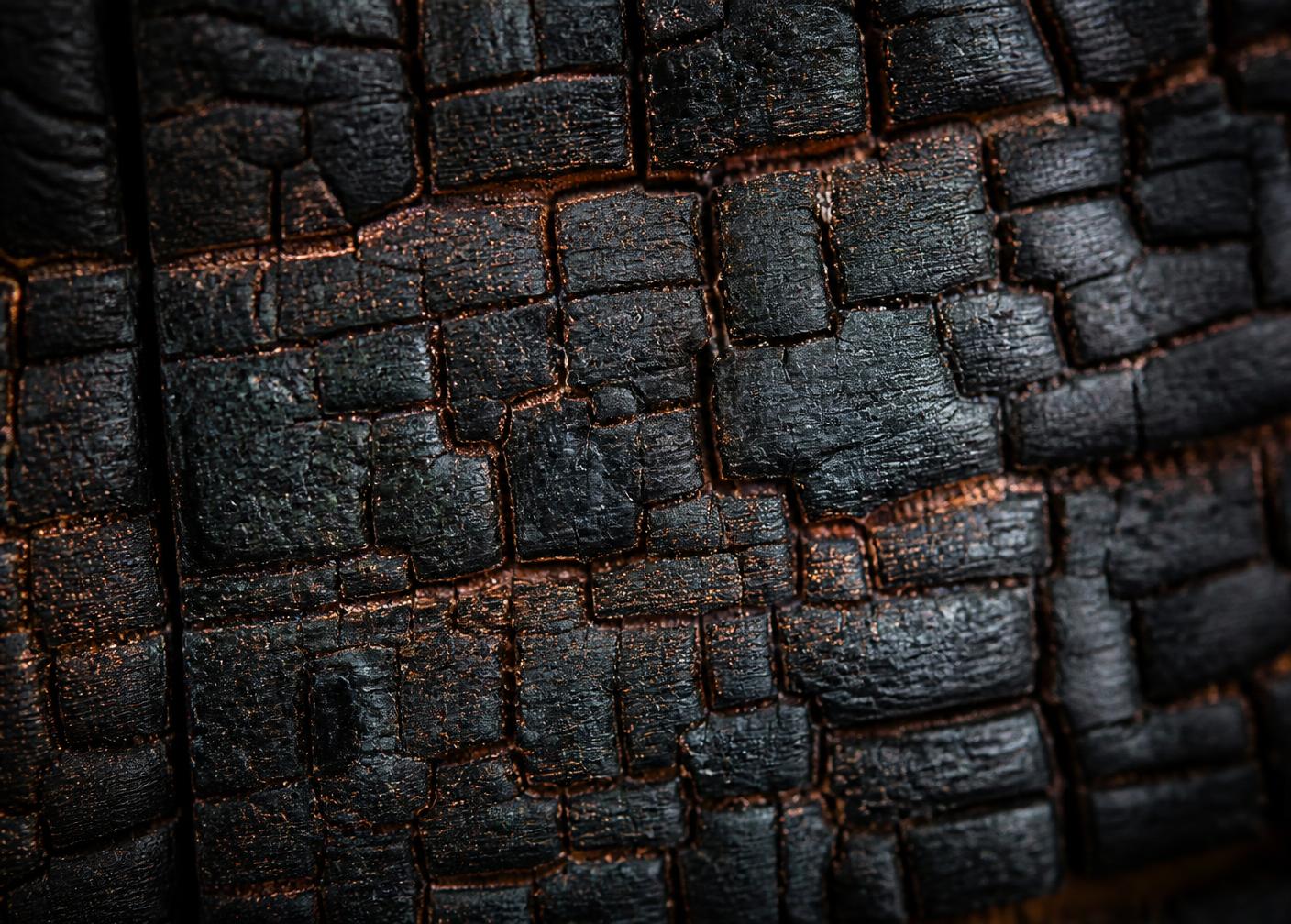
The earthy undertones, mellow greys, and deep blacks of burned wood evoke a sense of tranquility. The way that light interacts with charred surfaces highlights tiny flaws and natural grain patterns. The small things remind us that beauty doesn’t have to be ideal to be valuable.
In contrast to materials that follow trends, charred wood matures gracefully. Over time, it develops its personality and gives homes a comfortable, not artificial, feel.
The Traditional Craft Behind a Modern Revolution
Yakisugi, another name for Shou Sugi Ban, first appeared in Japan millennia ago. In order to shield wood from humidity, fire, and vermin, the process entails gently charring the wood. What began as a functional answer slowly became an art form, renowned for its brilliant tones, tactile textures, and lasting sturdiness.
Today, this traditional skill has found new life within trendy residences. In order to create rooms that seem both established and expressive, developers are accepting the contrast between dark, burned materials and contemporary patterns. A shou sugi ban interior doesn’t yell for attention—it invites you in softly, encouraging touch and thought.
A Vibrant But Well-Balanced Material Selection
Many people believe that gloomy spaces seem constrictive or weighty. In actuality, well-balanced burned wood works best. The material can breathe thanks to open plans, neutral furniture, and natural light.
Rather than covering every surface, designers frequently utilize black timber cladding to create focus areas. Whether it’s an appealing hallway wall or a fireplace surround, black wood cladding delivers strength and depth without ruining the area. When black timber cladding is used properly, it makes a declaration of refinement rather than excess.
Texture You Can Touch, Not Just See
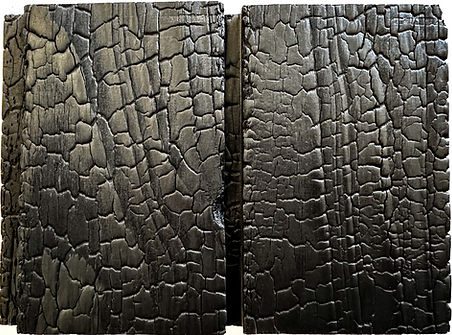
One of the primary explanations manufacturers are adopting this style is consistency. Smooth, mass-produced finishes are steadily being replaced by characters that enable touch. The layered depth of timber cladding texture brings walls to life, delivering visual rhythm without overwhelming the area.
Zones may be defined in open-plan houses without the need for barriers due to textured surfaces. A living space might be anchored by a burned feature wall, while the surrounding atmosphere is balanced with softer materials. When timber cladding texture is coupled with raw stone, linen, or bare concrete, the outcome seems deliberate and very personal.
Conservation That Goes Above Current Conditions
Longevity is more essential to conservation nowadays than labels. This kind of reflection is exactly what Shou Sugi Ban is all about. The charring process unaffectedly boosts wood’s resistance to rot, insects, and dampness, decreasing the need for pesticides or frequent repairs.
An ideal charred wood interior may endure decades with minimal upkeep. Because of its longevity, it is an eco-friendly option, especially if it is carefully sourced and manufactured.
Manufacturers like Inflamed are helping reinvent environmentally friendly construction by merging ancient processes with modern workmanship. Inflamed produces materials that seem natural rather than produced by honoring both nature and the process.
Comfort Indoors and Outdoors
The way charred wood smoothly blends indoor and outdoor areas is one of its most alluring features. Homes now aspire for flow—between rooms, between inside and outdoors, and between people and their surroundings.
Flaked wood allows developers to establish consistency simply. Living areas may be connected to patios, gardens, or even a wooden fence without causing visual disturbance by using the same structural language that is utilized within. This link preserves a unified visual narrative while enhancing the sense of openness.
Attention to detail: That Needs Consideration
Charred wood is not an object to haste. The procedure calls for accuracy, expertise, and reverence for the wood itself. Poor execution makes it appear fake. When done well, it feels timeless.
For this reason, getting materials is essential. The goal of Inflamed is to enhance the wood's visual depth while maintaining its natural structure through controlled charring processes. Every item is regarded as a surface with personality rather than merely a construction element.
This excellent level of workmanship stands out in a time when mass manufacturing is the norm, and it is just what contemporary homeowners are looking for.
Affective Design: Homes That Experience Everything
Design now encompasses more than simply a room's appearance; it also includes its atmosphere. There is emotional weight to charred wood. It recounts a narrative of fire, change, and resilience. Every surface feels deliberate, every mark well-earned.
A shou sugi ban's interior frequently serves as its emotional center. People congregate there, take their time, and experience the moment. The material's warmth counteracts its dark look, making the interiors seem cozy rather than chilly.
This personal connection is one reason constructors and customers are shifting away from sterile elegance toward more heartfelt aesthetics.
The Reasons This Style Will Last
Values never go out of style. The principles of ecological responsibility, truthfulness, personal connection, and durability are the foundation of the growing popularity of charred wood interior design.
Elements like Shou Sugi Ban will be crucial as homes continue to develop into private havens. They give beauty without loudness, power without hardness, and history without melancholy.
Interior design has a deeper rather than a brighter future. And the front-runner is burned wood.