
harred Timber Cladding: Benefits,Uses and Design Ideas
Modern architecture is increasingly focused on materials that combine natural character, durability, and distinctive design. Charred timber cladding is one such material, offering a bold appearance while preserving the natural grain and texture of timber.
Inspired by the traditional Japanese Yakisugi technique, charred timber has become a popular choice for contemporary homes, commercial buildings, garden rooms, extensions, feature walls, and hospitality spaces. The controlled charring process creates a dark, textured surface that can give a building a strong architectural identity.
For architects, designers, builders, and homeowners, charred timber can provide an alternative to conventional painted or stained timber cladding while creating a more distinctive finish.
What Is Charred Timber Cladding?
Charred timber cladding is timber that has been exposed to controlled heat to carbonise its outer surface. Depending on the desired appearance, the boards can then be brushed to reveal the natural grain and finished with an appropriate wood oil.
The technique has its roots in Japan, where Yakisugi was traditionally used to improve the durability of timber. Inflamed uses this traditional approach to produce modern Shou Sugi Ban products for architectural applications.
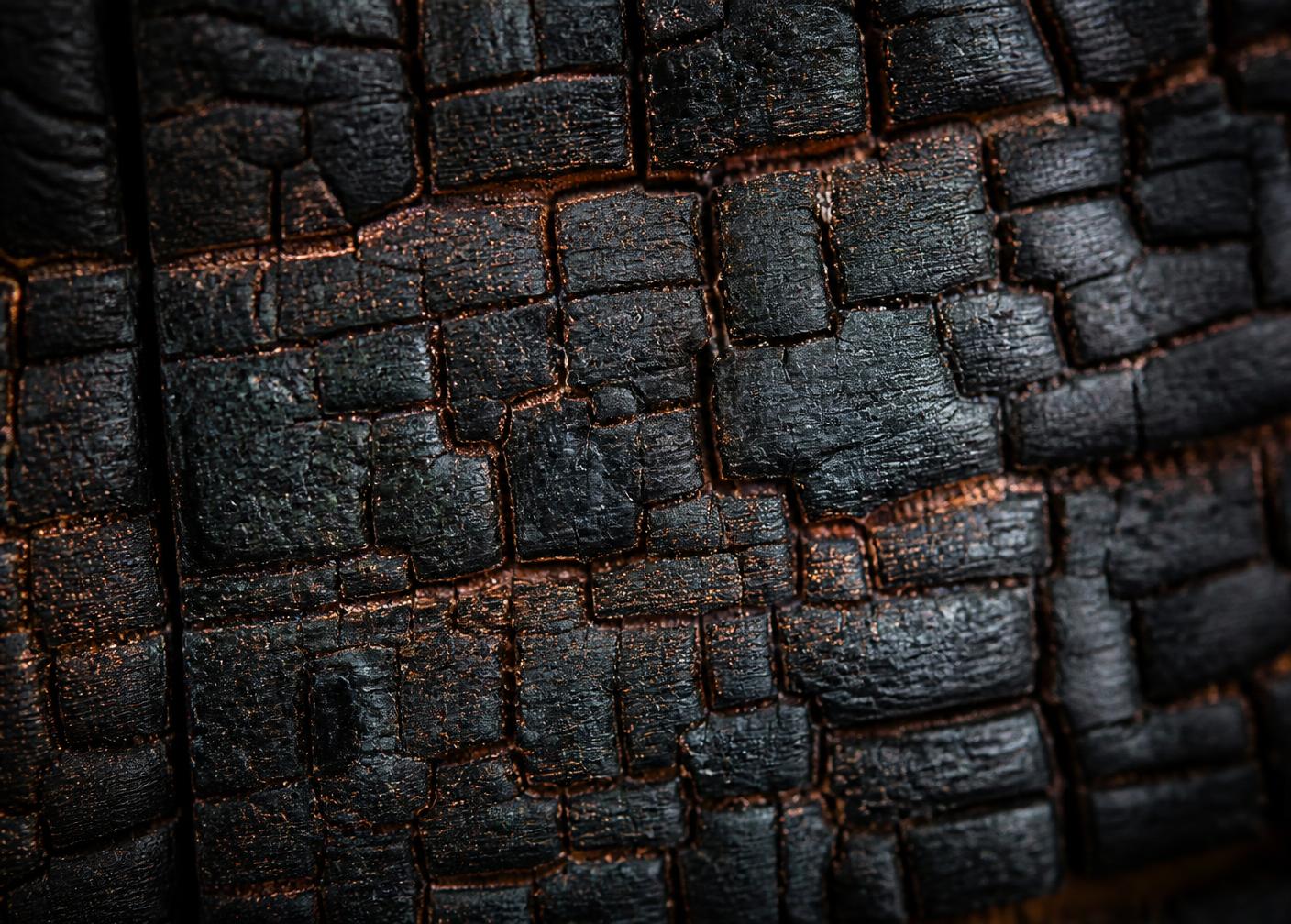
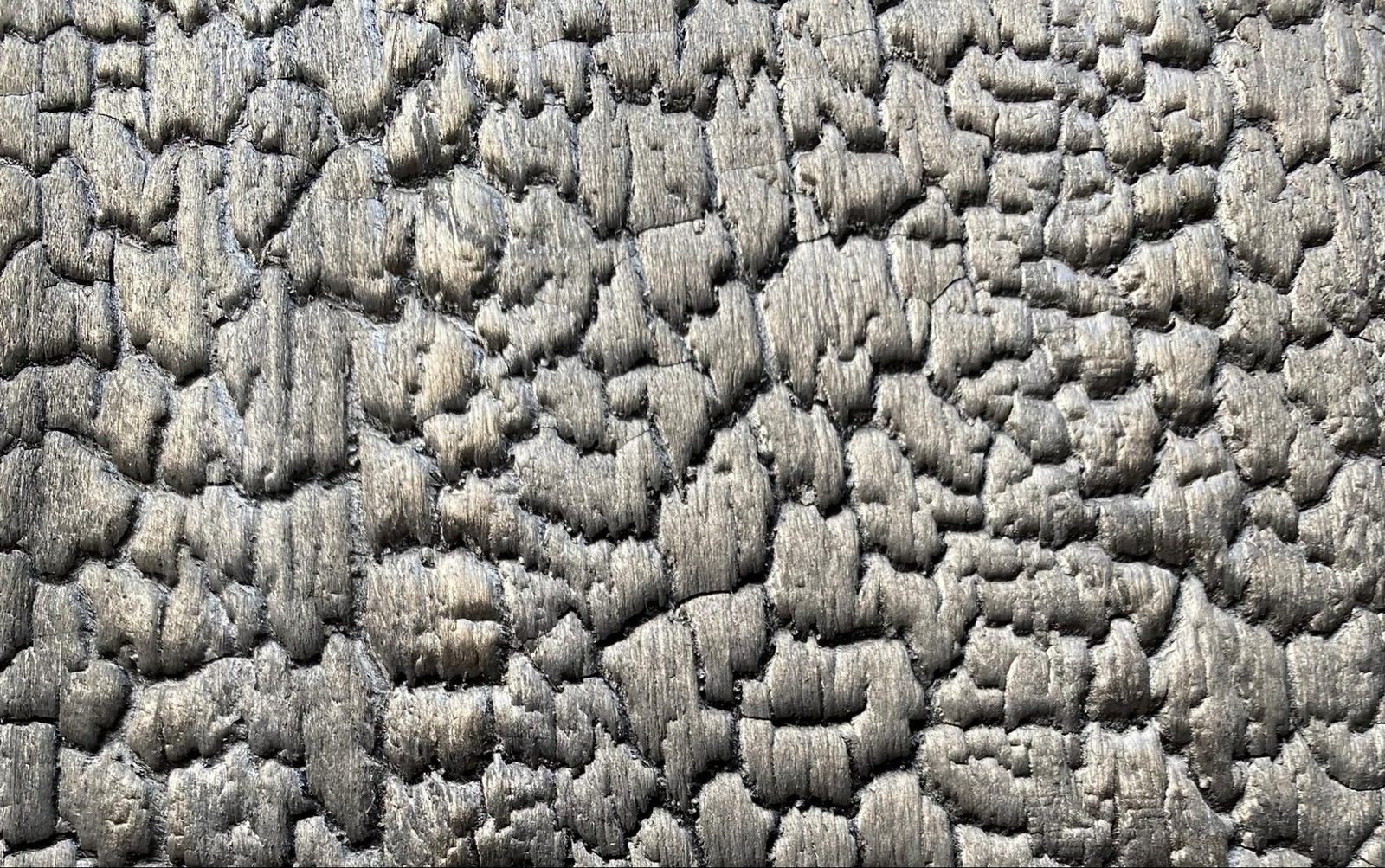
The finished appearance can vary considerably. Some boards have a deep, heavily textured black surface, while others feature a smoother charcoal appearance with clearly visible wood grain. This variety gives architects considerable flexibility when developing a façade or interior scheme.
The Benefits of Charred Timber
1. A Distinctive Natural Appearance
One of the biggest advantages of charred timber is its appearance. The dark surface creates an immediate visual impact without losing the natural character of wood.
The grain, knots, texture, and variations in the timber remain part of the design. This makes it possible to create façades that look sophisticated and contemporary while still feeling connected to natural materials.
The finish can work particularly well alongside glass, stone, concrete, brick, and metal.
2. Enhanced Durability
The controlled charring process changes the surface of the timber and creates a carbonised layer. This can help improve the material's resistance to environmental exposure when the product is correctly manufactured, finished, and installed.
Inflamed describes its charred wood cladding as being produced using the Yakisugi technique, with durability and weather resistance among the key characteristics of its products.
However, the expected service life depends on timber species, exposure, installation, finishing, and ongoing maintenance.
3. Resistance to Moisture and Decay
A properly charred timber surface can provide useful protection against moisture and environmental conditions. Inflamed notes that its charring process creates a water-resistant surface and helps protect timber against decay.
This makes charred timber particularly interesting for exterior applications where the material is exposed to rain, sunlight, and changing weather conditions.
4. Lower Maintenance
Compared with some conventional painted timber finishes, charred wood can require relatively little ongoing maintenance. Depending on the chosen finish and exposure, periodic inspection and light oiling may be sufficient.
The exact maintenance schedule should always follow the manufacturer's recommendations because different timber species, finishes, and installation conditions can behave differently.
5. A More Natural Material Choice
For projects that prioritise natural materials, charred timber can be an attractive option. Inflamed states that it uses responsibly sourced and FSC-certified timber across its product range.
The traditional process also avoids relying on conventional surface paint to create the characteristic dark appearance.
Japanese Charred Timber Cladding: From Tradition to Modern Architecture
Japanese charred timber cladding is closely associated with Yakisugi, an ancient Japanese technique that involves carefully charring timber to create a protective surface.
The method has been used in Japan for centuries and has now been adapted for contemporary architecture around the world. Inflamed explains that Yakisugi originated as a traditional Japanese wood-preservation technique and has evolved into a sought-after architectural finish.
Modern production can include several stages, including:
- Charring – The surface of the timber is carefully burned to create the characteristic carbonised layer.
- Brushing – Depending on the selected finish, the surface can be brushed to remove loose soot and highlight the grain.
- Oiling – A suitable wood oil can be applied to enhance appearance and provide additional protection.
Inflamed describes these three stages as part of its production process.
This combination of traditional craftsmanship and modern production makes charred timber suitable for both heritage-inspired and contemporary architectural projects.
Where Can Charred Timber Be Used?
Exterior Building Facades
A dark timber façade can completely change the character of a building. It works especially well with minimalist architecture, large windows, simple rooflines, and natural landscaping.
Rather than simply adding colour, the textured timber surface creates depth and changes visually throughout the day as sunlight interacts with the grain.
Garden Rooms and Extensions
Garden offices, studios, cabins, and home extensions are excellent applications for charred timber. The dark finish can help a structure blend naturally into a garden while still providing a contemporary appearance.
Feature Walls
You do not need to cover an entire building with charred timber. A feature wall around an entrance, a gable, or a selected elevation can create a strong focal point.
This approach is particularly useful when homeowners want the character of charred timber without making it the dominant material across the whole property.
Commercial Buildings
Restaurants, cafés, retail stores, offices, and hospitality spaces can use charred timber to create a recognisable architectural identity.
Inflamed has used charred wood in commercial projects, including a coffee shop interior in Lithuania, demonstrating how the material can be incorporated into commercial design.
Interior Spaces
Charred timber is not limited to exterior walls. Appropriate products can also be used for interior feature walls, ceilings, kitchens, bathrooms, and other decorative applications.
Inflamed offers charred wood products for interiors and notes their suitability for high-humidity spaces when appropriately specified.
Design Ideas for Charred Timber
Pair Dark Timber With Glass
Large glass panels create an attractive contrast with dark timber. The combination can make a contemporary building feel both modern and natural.
Combine Timber With Stone
Stone introduces lighter colours and a different texture, creating balance against a dark charred surface. This combination works particularly well for residential façades and countryside properties.
Use Charred Timber as an Accent
For a more subtle design, use charred boards around the entrance, on a porch, or across a single wall. This allows the timber to become a design feature without covering the entire structure.
Combine Different Timber Textures
Different levels of charring and brushing can create visual variation. Smooth and textured surfaces can be used together to give a façade greater depth.
Create a Minimalist Black Exterior
For contemporary architecture, a consistent dark timber exterior can create a clean and sophisticated appearance. Simple landscaping and large windows can complement the material without competing with it.
How to Choose the Right Charred Timber Finish
The right finish depends on the overall design and intended application. Consider the following before making a selection:
- Timber species: Different species have different grain patterns, colours, and characteristics.
- Charring level: A deeper char creates a more dramatic appearance, while lighter treatments can reveal more natural grain.
- Brushing: Brushing can change the texture and visual character of the surface.
- Oil finish: The right oil can enhance colour and provide additional protection.
- Installation: Correct fixing, ventilation, drainage, and detailing are important for long-term performance.
- Location: Exposure to rain, sunlight, humidity, and temperature changes should be considered.
Inflamed offers several charred timber options, including Black Spruce, Sand Grey Spruce, Black Larch, and Carbon Accoya.
Why Choose Inflamed?
Inflamed specialises in Shou Sugi Ban and Yakisugi-inspired timber products for architectural applications. Its range includes charred wood cladding, interiors, fencing, and decking, with products available in different timber species and finishes.
The company's approach combines traditional Japanese charring techniques with modern craftsmanship and finishing processes. This allows designers and homeowners to achieve the distinctive appearance of burnt timber while selecting products suited to contemporary projects.
For a project where natural texture, bold colour, and long-term material performance are important, Inflamed can be a strong option to explore.
Installation and Maintenance Considerations
Even high-quality timber requires proper installation. The cladding system should allow suitable ventilation and drainage, while fixings need to be selected according to the product and project requirements.
Inflamed recommends stainless-steel screws and specific fixing points for its Shou Sugi Ban cladding system.
Maintenance requirements depend on the finish and environmental conditions. Regular inspection can help identify loose fixings, damaged boards, excessive weathering, or areas that require attention.
Before installation, always check the manufacturer's technical guidance and applicable local building requirements, including requirements relating to fire performance.
Bring Charred Timber Into Your Next Project
Charred timber cladding offers much more than a dark exterior finish. Its combination of natural grain, rich texture, traditional craftsmanship, and contemporary architectural appeal makes it a versatile choice for homes, commercial buildings, garden structures, and interior spaces.
Whether you want a dramatic full façade or a subtle feature wall, the right timber species and finish can create a distinctive result that complements the surrounding architecture.
Ready to explore charred timber for your next project? Visit Inflamed to discover its range of Shou Sugi Ban and Yakisugi-inspired timber solutions, request a sample, or discuss your project requirements.