
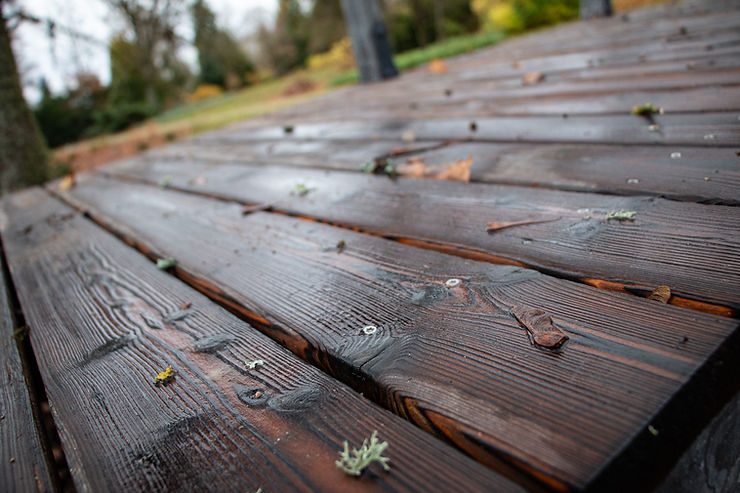
Your backyard should be a place to clear your mind, not a constant source of chores. The regular wooden decks soon start to look drab because of the adverse effects of weather, necessitating frequent pressure-washing and treatment. Whereas charred timber decking provides an alternative solution that is completely different. This solution is based on the use of fire in converting untreated wood into an indestructible piece of architecture. Below is the analysis of what it means to install a yakisugi deckings.
The Art of Fire-Protected Wood
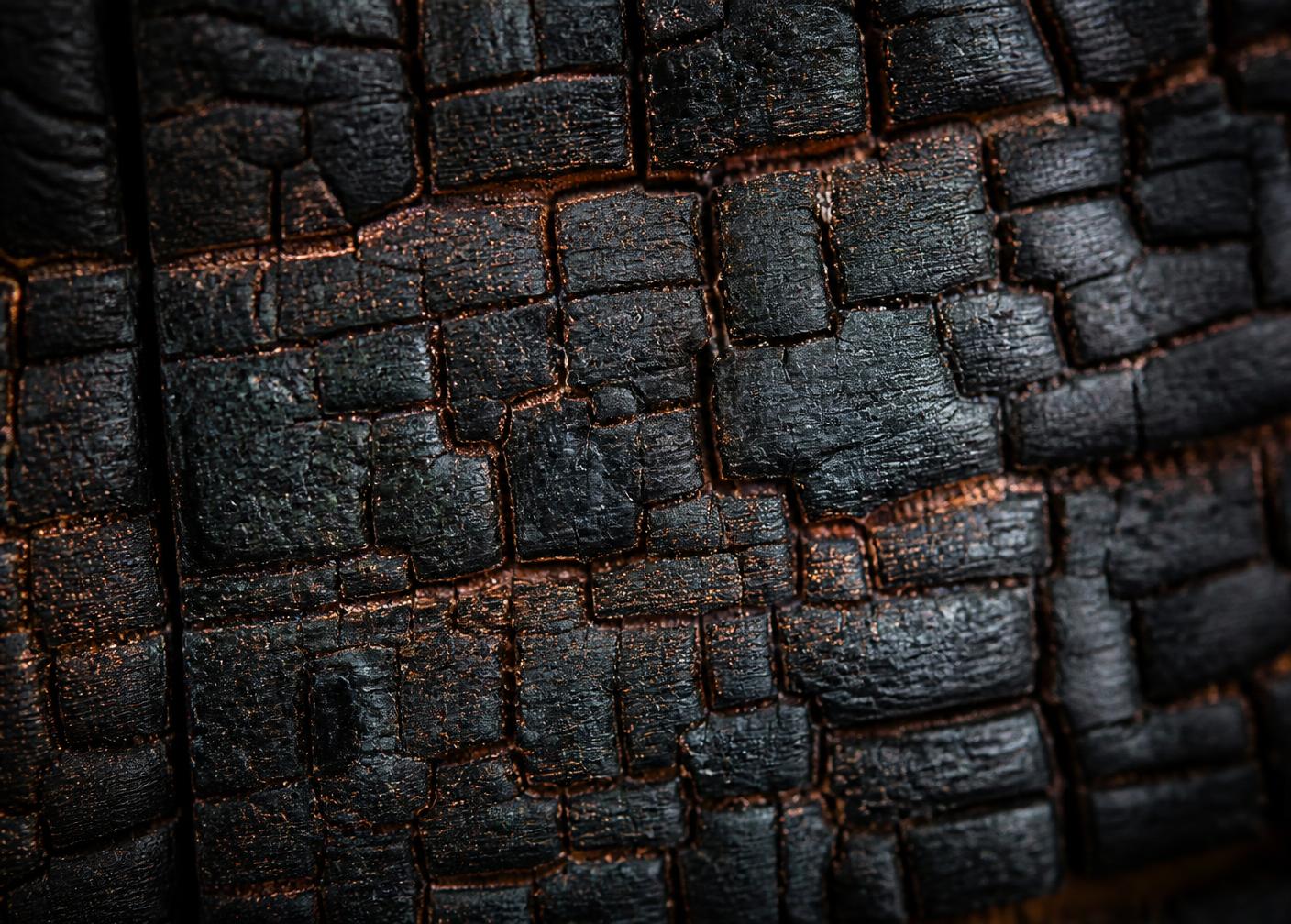
This stunning design can be attributed to an 18th-century technique from Japan known as yakisugi deck or Shou Sugi Ban. Our skilled craftsmen found out that charring the wood produces a carbon coating, which helps to protect the wood. This technique forms part of what Inflamed offers in architectural designs.
The process requires three steps, namely:
- Charring - Controlled fires produce a tough carbon coating resistant to weathering
- Brushing - The use of specially made brushes removes any excess soot, resulting in beautiful dark grain patterns.
- Wood Oil Coating - Wood oils help in sealing the surface.
Quick Overview: The Pros, Cons, and Costs of Charred Decking
Shou Sugi Ban or Yakisugi refers to Japanese c harred timber decking technology. This is an old method that provides an impressive longevity of use. However, it is an expensive technique that may become vulnerable to scratches after some time.
Advantages
A yakisugi deck will be a worthwhile addition to your yard because there are a lot of advantages to using fire for wood processing. This method creates a robust and maintenance-free structure.
1. Increased Longevity and Decay Resistance
Charring changes the chemical nature of wood.In this way, it removes all the sugars required by insects, fungus, and mold to live. Thus, the deck will be highly resistant to water damage and rotting even in places where there is a lot of humidity. Well-maintained decks can survive for 40-80 years.
2. Reduced Maintenance Needs
Regular wood should be chemically stained and aggressively sanded each year or every second year . Shou sugi ban decking requires much fewer efforts. The carbon layer protects the inner part of wood from the sun's rays and heavy rains. All you have to do is apply a small layer of natural wood oil from time to time in order to refresh its color.
3. One of a Kind Appearance
Each board is unique. The fire creates a pattern within the organic wood grain that is not possible to create in any man-made composite boards. No matter what type of charred wood finish you prefer, whether it be the deep alligator-skin char or the brushed charcoal finish, it adds a contemporary touch to your backyard design.
4. Environmentally Friendly and Safe
Traditionally used pressure-treated wood has to be treated with artificial chemicals to avoid any damage from bugs and weathering. Inflamed uses only fire and oils; therefore, your backyard will be safe for kids and bare feet. It is a green choice that captures carbon and minimizes the ecological impact.
Cons
Despite being incredibly stylish and durable, there are several important aspects to take into account before using burnt decking.
1. More Expensive Initial Cost
High-quality materials require special processing techniques. Using a specific machine to create real burnt wood, skilled labor, and premium quality wood make it more expensive to buy than standard pine or composite lumber.
2. Vulnerability to Scratches
The protective carbon surface is resilient against weather, but high-traffic foot zones require mindfulness. Dragging heavy metal patio chairs, sharp dog claws, or moving heavy stone pots can scratch or scrape the dark charred layer. Using protective pads under furniture legs helps preserve the beautiful finish.
3. Natural Color Transition
Through exposure to the elements over time, the dark colors will fade into a beautiful silver grey patina color. This is one of the most admired characteristics of the wabi-sabi concept, which is used by the Japanese, who have a deep appreciation for natural decay. You may wish to preserve the deep black color permanently by using a tinted exterior oil every few years.
Cost
- Material Cost: The cost usually depends on square feet for the boards, and the timber type chosen (i.e., Cedar, Accoya, or thermally modified pine).
- Installation Cost: Like material cost, the installation cost depends on your area and the difficulty of the design.
- Overall Savings: It is much more economical than regular timber due to its longevity, saving thousands of dollars in the cost of maintenance over the life of the deck.
Best Wood Species for Charring
To ensure the process doesn't cause the wood to warp or cup, specific softwoods and stable hardwoods are typically selected:
- Burnt Ash: Highly ideal for a deep, quality char.
- Cedar: Resistant to weather and very stable.
- Spotted Gum: High fire resistance and stability.
Bring Your Dream Deck to Life
Choosing the proper surface for your outdoor living space includes considerations about style, durability, and practical aspects. Shou sugi ban decking provides amazing architecture that combines tradition and modernity. With its help, you will be able to say goodbye to tough weekend activities and simply enjoy fresh air on an attractive deck.
Ready to change your garden or patio with the unique look of charred timber? Contact the charred wood masters at Inflamed today to request your custom quote and order premium wood samples!