
Architects today select building materials that exhibit both aesthetic beauty and permanent environmental sustainability. Homeowners and architects face the same challenge of selecting exterior materials that can endure severe weather conditions without needing ongoing upkeep. The common problems of traditional finishes include fading and warpin,g together with their need for chemical treatments throughout their service life.
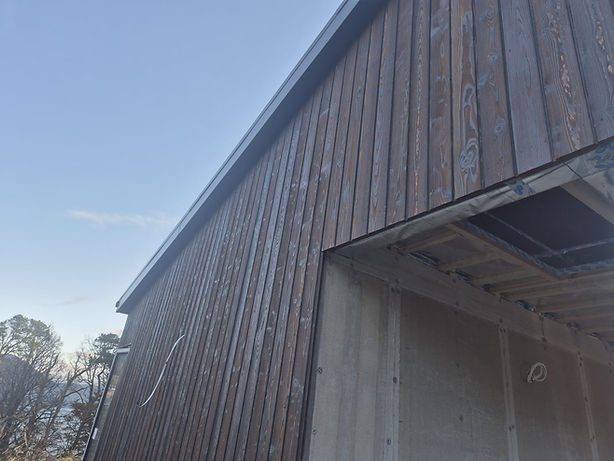
The burned wood exterior marking this location shows its unique character. The ancient Japanese technique has been improved through modern construction methods to create a building material that maintains its original appearance. The article demonstrates how Inflamed presents its top-quality charred wood products while showing the material advantages and performance differences between its offerings and traditional building materials, which have become popular in modern architectural designs.
What Makes Charred Wood Cladding Unique?
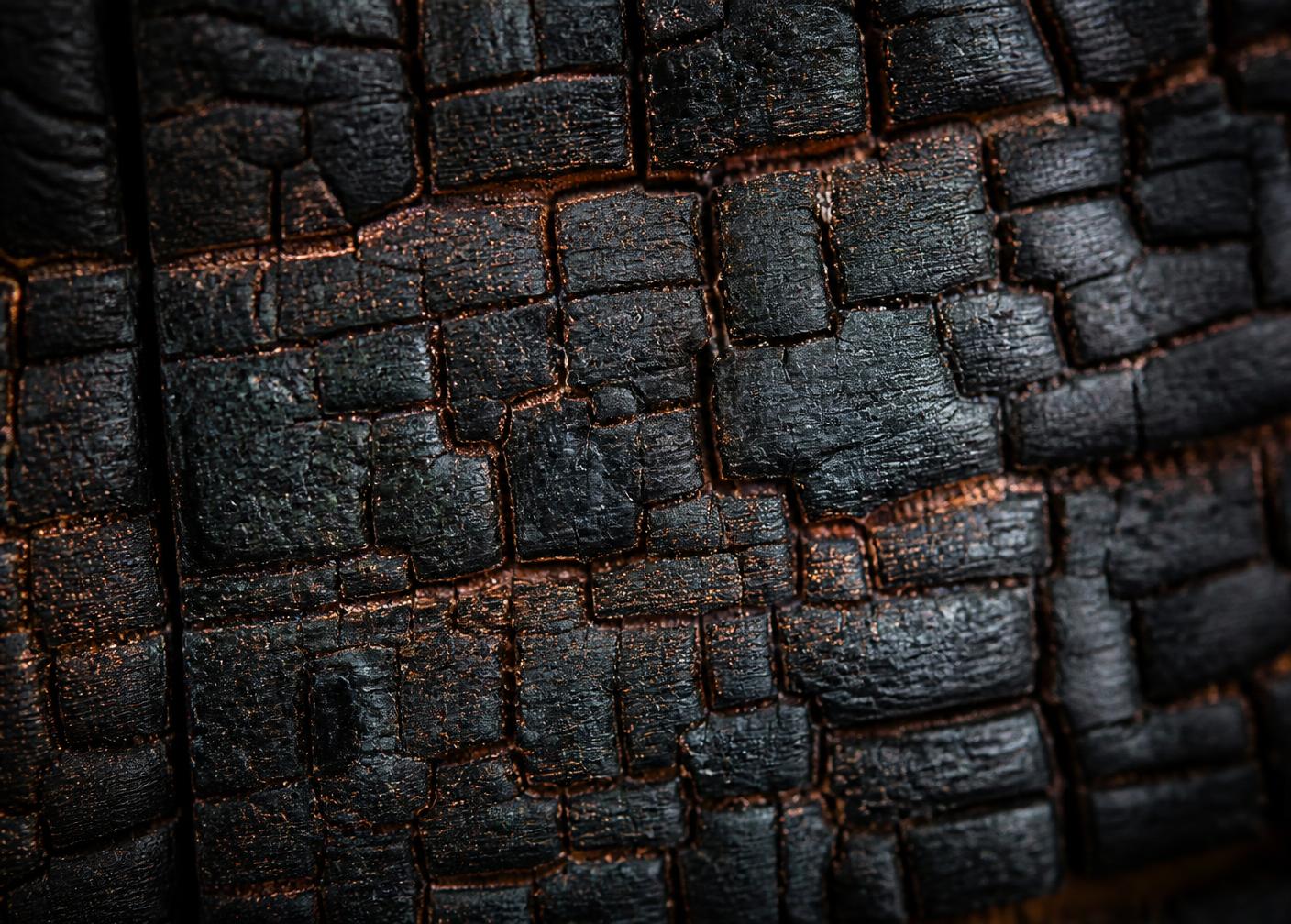
Charred wood cladding is created by carefully burning the surface of wood to enhance its natural properties. This controlled charring process transforms the outer layer into a protective barrier.
The Science Behind the Char
The technique—commonly known as shou sugi ban cladding —dates back centuries. By carbonizing the surface, the wood becomes:
- Resistant to moisture and rot
- Naturally protected against insects
- Less vulnerable to UV damage
- More dimensionally stable over time
Unlike painted or treated surfaces, the protection comes from the wood itself, not synthetic coatings.
Inflamed refines this traditional process using modern quality controls to ensure consistency, safety, and long-lasting performance across every board.
Why Architects Choose Inflamed Wood Cladding
Selecting exterior materials isn’t just about looks—it’s about longevity, sustainability, and cost efficiency.
Performance That Reduces Maintenance
Standard wood cladding often requires repainting, sealing, or chemical treatments every few years. Charred surfaces dramatically reduce this need, saving time and money long term.
Sustainable and Eco-Conscious
Inflamed uses responsibly sourced timber and avoids toxic preservatives. The charring process itself acts as a natural protector, aligning with green building principles promoted by organizations like the Forest Stewardship Council, supported by research from ArchDaily.
Design Versatility
Charred wood cladding works seamlessly across:
- Residential homes
- Commercial buildings
- Accent walls and facades
- Modern and rustic designs
From deep matte blacks to textured charcoal tones, Inflamed offers finishes that elevate architectural identity.
Shou Sugi Ban Cladding vs Traditional Wood Finishes
Many people assume all exterior wood products behave the same—but the differences are significant.
Common Mistakes with Conventional Wood
- Frequent peeling or cracking
- Chemical runoff affects the soil
- High maintenance costs
- Shorter lifespan
By contrast, shou sugi ban cladding naturally strengthens the wood’s surface, reducing these issues without artificial additives.
Installation and Longevity Considerations
One of the biggest advantages of Inflamed products is ease of integration into modern construction.
Best Practices for Installation
- Proper ventilation behind panels
- Correct fastening systems
- Professional sealing (when required)
When installed correctly, Inflamed charred wood cladding can last decades with minimal upkeep—far outperforming untreated wood alternatives.
For installation guidance and available profiles, explore our
charred wood collection.
Frequently Asked Questions (FAQs)
Conclusion
The design element of charred wood cladding functions as a permanent, sustainable building solution that follows established architectural practices. The company Inflamed produces materials that combine ancient knowledge with contemporary building methods to create visually striking products that offer strong structural support and sustainable environmental performance.
The innovative wood cladding system provides architects and builders, and homeowners with permanent benefits through its decreased maintenance needs and its improved product durability. The charred wood products from Inflamed provide an exceptional material choice that maintains its strength throughout time.