
Choosing the right look for your home’s exterior can feel completely overwhelming. You want a home that tells a story, stands out, and protects your family for decades, yet standard exterior finishes often feel lifeless. That is why modern architecture is turning back to the ancient Japanese art of Shou Sugi Ban, using premium charred wood cladding to create visually stunning and protected facades.
In this guide, we will discuss how different wood species directly transform the final look, durability, and texture of your home facade.
The Heart of the Burn: Why Wood Species Matter
Every tree has its own individual characteristics. Different species of wood will char and react to heat differently in an open fire. Some species will produce a thick, dramatic char layer, while others produce a more textured finish that shows the grain below.
It is all about the natural character of the wood, the density, the cells, and the resin. Dense and heavy wood is very different in terms of how it responds to fire when compared to porous, light wood. That is why you need to use a specific kind of wood species, which will help to define the complete character of your house. This is why you will need to use a particular type of wood species that determines the very essence of your house.
Understanding these differences will be the key to achieving that desired timber cladding texture.
The Timber Lineup: Finding Your Perfect Match
To select the perfect charred wood cladding, you must first understand the unique personality of the timber species. Let us break down the four most reliable timbers crafted by the experts at the Inflamed.
1. Accoya: The Ultimate Performance Canvas
If you are looking for absolute perfection and peace of mind, charred Accoya cladding is the gold standard. Accoya is acetylated to improve dimensional stability and durability before being used as a cladding substrate. When charred, its stable substrate can help produce a consistent, refined finish.
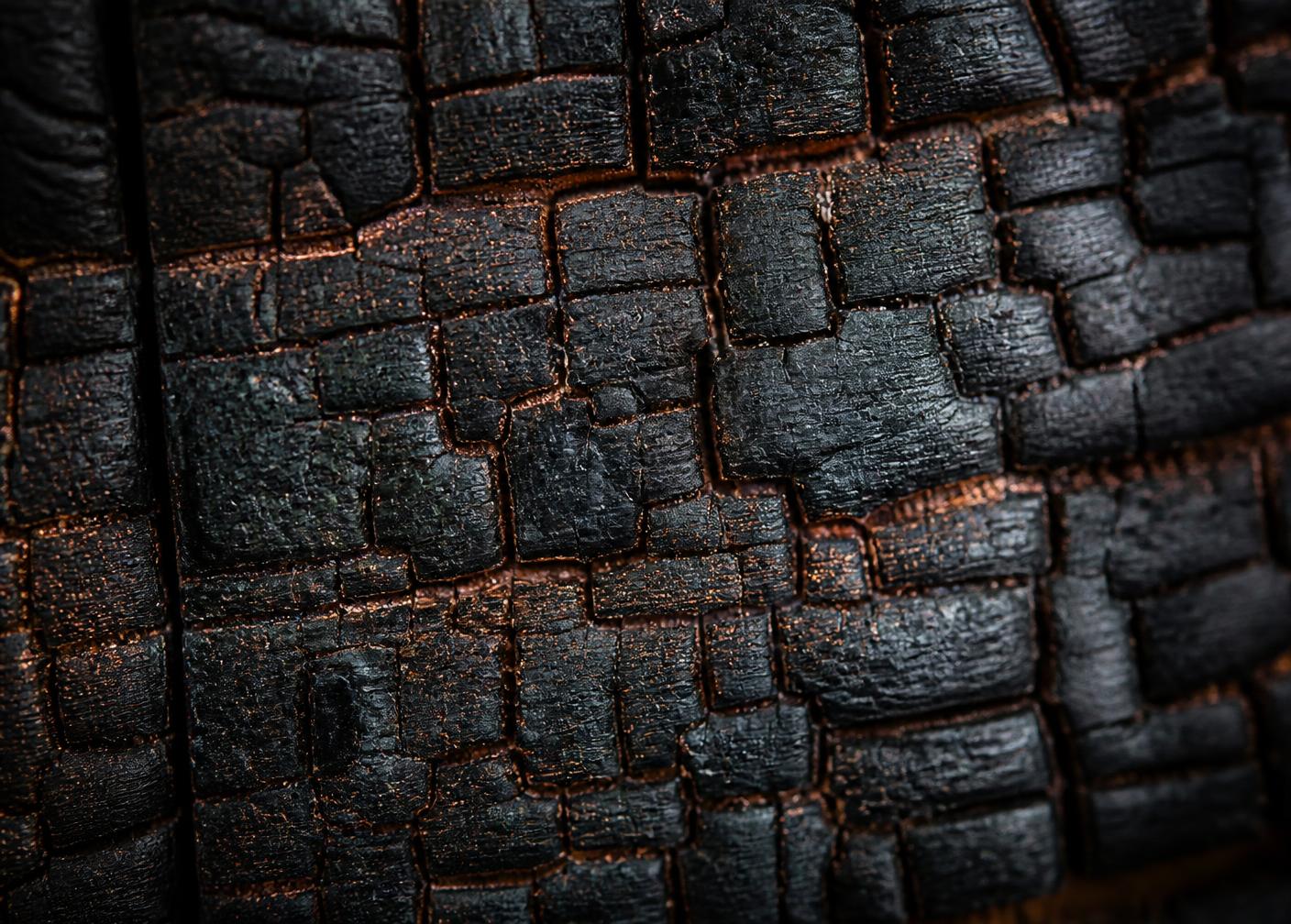
The burning process produces the KAEN Carbon surface – a uniform, dark charred texture that reminds one of the luxurious leather of the alligator. To go for the charred Accoya panels means making a facade that will resist all the harshest climates across the planet.
2. Spruce: The Deepest Black
For a real, deep black look, spruce is an ideal material. It's an old type of lumber that has a great reaction to the deep burn. Depending on the species of wood, charring process, finish, and installation, the charred surface can offer enhanced resistance to biological deterioration and moisture. Spruce will create the sturdy and strong harmonics of any contemporary house.
3. Larch: The Character-Rich Option
Larch wood is strong, tough, and extremely resinous. Due to its natural toughness, the fire does not reach as deep into the wood as in the case of spruce. On the contrary, it gives us KIME Black finishing with an amazing look of graphite, with wood grain showing itself naturally and proudly. If you are looking for a natural and changing texture of the wood depending on lighting at different times of the day, choose this wood type.
4. Japanese Cedar (Sugi): The Authentic Tradition
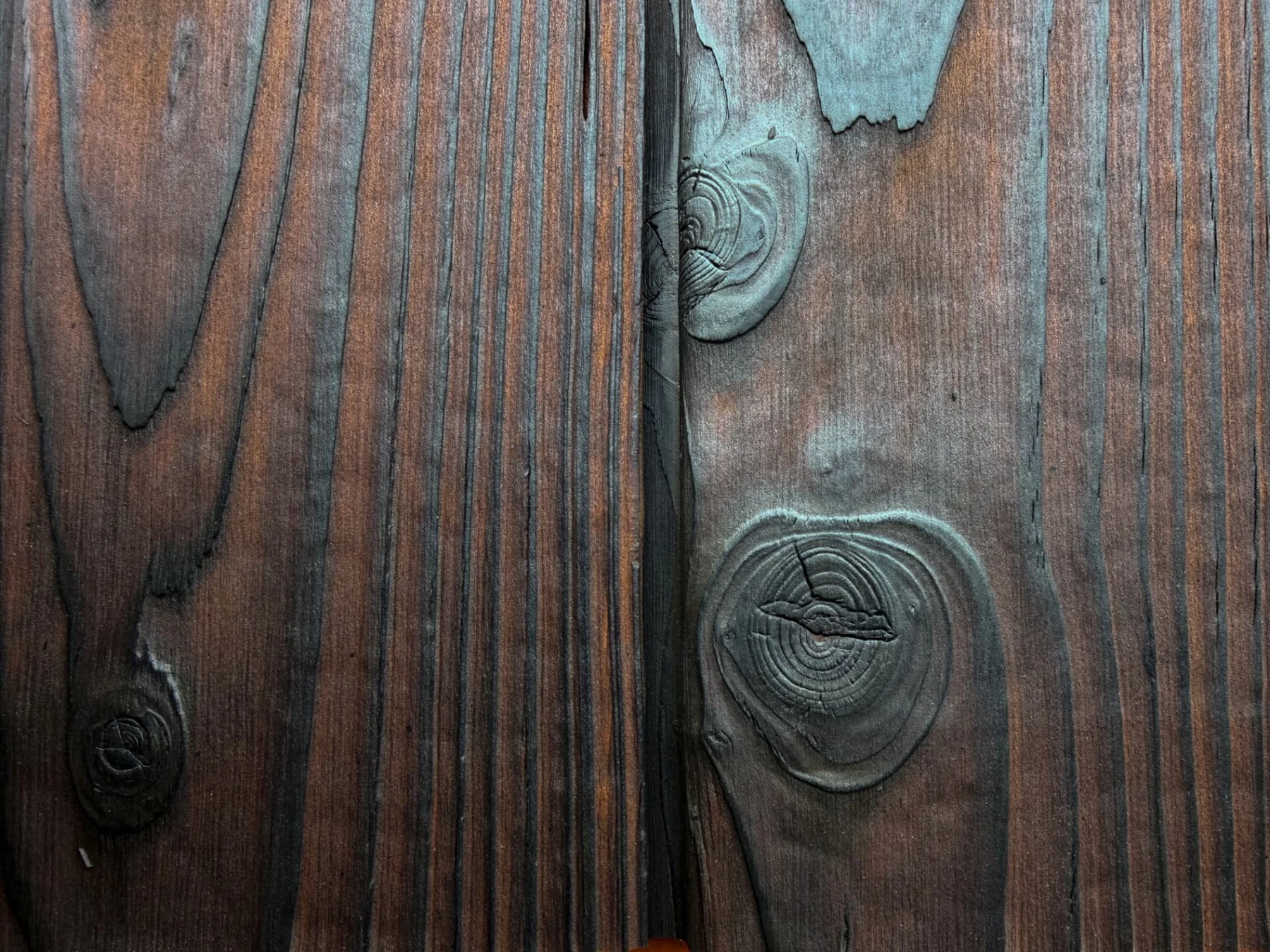
This is where the history of Shou Sugi Ban truly began centuries ago. Japanese Cedar is naturally lightweight and full of character. When brushed after charring, it reveals beautiful warm brown and deep grey tones. Brushing reveals a tactile texture with warm brown and deep grey tones.
Key Elements that Influence the Final Look
When planning your layout, it is helpful to appreciate the specific artistry involved in crafting the exterior surfaces. Every single plank produced at the Inflamed facility goes through careful adjustments to fine-tune three essential visual factors:
Charcoal Depth: Light char is marked by bronze, brown, or silver coloring, while deep char results in an opaque black similar to stone.
Brushing Technique: Light brushing will not remove the layer of soot and will create the most dramatic effect, and heavy brushing will remove all of the loose carbon from the surface and will reveal the texture of the wood.
Weathering: Following the concept of Wabi-sabi, with time the layer of charcoal becomes less noticeable and allows for the natural highlights of the wood to become visible.
Comparing the Finishes
| Timber Species | Ideal Visual Finish | Primary Functional Advantage | Texture Character |
| Accoya | Deep Carbon Black | Exceptional dimensional stability | Uniform, luxurious deep-char |
| Spruce | Intense Matte Black | Excellent deep-char formation | Thick, protective char layer |
| Larch | Graphite / Tinted | High natural density & hardness | Heavy visible grain & contrast |
| Japanese Cedar | Brushed Tonal Tones | Authentic, historical appeal | Warm, rich, touchable texture |
Designed to Age With Character
Your home is an investment in your future – a space where memories can be created. Your exterior wood cladding must withstand the test of time together with your family.
High-quality charred wood exterior cladding is extremely easy to maintain. The performance of the charred timber is highly dependent on its manufacturing, finishing, installation, and maintenance processes. Over the years, natural elements will slowly age the wood, creating a unique and timeless look.
Conclusion
Your home needs an exterior cladding that fits your personal tastes and needs. The selection of suitable wood cladding for exterior walls should be based on both aesthetic appeal and sustainability and strength. Irrespective of whether you are looking for the eternal beauty provided by charred Accoya cladding or the rustic look of larch wood cladding, it all depends on the choice of wood material.
Ready to transform your property? Upload your architectural drawings to Inflamed today, and let our factory experts craft a custom quote for your dream project!