
When it comes to enhancing the appearance, durability, and energy efficiency of a building, cladding plays a vital role. Whether you're constructing a new home, renovating a commercial property, or exploring sustainable building solutions, understanding cladding can help you make informed decisions.
In recent years, cladding has become one of the most popular exterior building solutions due to its versatility, weather resistance, and aesthetic appeal. From modern composite materials to traditional timber finishes, cladding offers property owners a wide range of options to improve both form and function.
In this guide, we'll explore what cladding is , what cladding construction is , the different types available, and why it has become an essential feature in modern architecture.
What Is Cladding?
Many property owners ask, What is cladding ?
Cladding is an external layer or covering attached to a building's structure. Its primary purpose is to protect the building from environmental elements such as rain, wind, UV radiation, and temperature fluctuations. At the same time, cladding enhances the visual appearance of the structure.
Unlike structural walls, cladding does not usually bear loads. Instead, it acts as a protective skin that improves insulation, weather resistance, and architectural aesthetics.
Modern cladding systems are available in a variety of materials, including wood, composite materials, metal, fibre cement, and stone, allowing designers and homeowners to achieve their desired look while maintaining high performance.
What Is Cladding Construction?
Understanding what is cladding construction is important when planning any building project.
Cladding construction refers to the process of installing an outer layer onto a building's framework. This system creates a protective barrier between the structure and external environmental conditions. Depending on the chosen material, cladding can improve thermal performance, reduce maintenance requirements, and increase the lifespan of the building.
A typical cladding construction system consists of:
- Structural wall or frame
- Insulation layer
- Ventilation cavity
- Cladding panels or boards
- Fixing systems and support structures
This layered approach helps regulate temperature, manage moisture, and protect the building from long-term damage.
Why Cladding Is Important for Modern Buildings
Cladding serves several practical and aesthetic purposes that make it an essential component of contemporary construction.
Weather Protection
One of the primary functions of cladding is shielding buildings from harsh weather conditions. Rain, snow, wind, and sunlight can gradually damage exterior surfaces. Cladding provides an additional protective layer that helps preserve the building's structural integrity.
Improved Energy Efficiency
Many modern cladding systems include insulation properties that help reduce heat loss during winter and prevent overheating during summer. Improved thermal performance can contribute to lower energy consumption and reduced utility costs.
Enhanced Appearance
Cladding offers endless design possibilities. Whether you prefer a sleek contemporary finish or a natural rustic appearance, cladding materials can dramatically transform the look of a property.
Increased Property Value
A well-designed cladding system can improve curb appeal and make properties more attractive to potential buyers or tenants. This often results in increased market value and long-term investment benefits.
Composite Cladding UK: A Growing Trend
One of the fastest-growing exterior solutions is composite cladding UK .
Composite cladding combines wood fibres with recycled plastics and other engineered materials to create durable, low-maintenance exterior panels. It has gained popularity throughout the UK due to its ability to withstand challenging weather conditions while maintaining its appearance for years.
Benefits of Composite Cladding UK
Exceptional Durability
Composite materials resist warping, cracking, rotting, and insect damage better than traditional timber.
Low Maintenance
Unlike natural wood, composite cladding typically requires minimal upkeep. Occasional cleaning is often sufficient to maintain its appearance.
Sustainable Choice
Many composite products are manufactured using recycled materials, making them an environmentally responsible option.
Modern Aesthetic Appeal
Available in various colours, textures, and finishes, composite cladding allows architects and homeowners to achieve contemporary designs with ease.
For UK property owners seeking a balance between durability, sustainability, and style, composite cladding continues to be a preferred solution.
Cladding for Houses: Choosing the Right Solution
Selecting the best cladding for houses depends on several factors, including budget, climate, maintenance preferences, and architectural style.
Timber Cladding
Timber remains a popular option due to its natural beauty and timeless appearance. It works particularly well for residential properties seeking a warm and organic aesthetic.
Composite Cladding
Composite systems offer the appearance of wood with significantly reduced maintenance requirements, making them ideal for busy homeowners.
Metal Cladding
Metal cladding provides a sleek, contemporary look and excellent durability. It is frequently used in modern residential and commercial projects.
Fibre Cement Cladding
This versatile material offers excellent weather resistance and fire performance while requiring minimal maintenance.
When evaluating cladding for houses, it is essential to consider both immediate installation costs and long-term maintenance expenses.
Wood Cladding Exterior: Timeless Beauty and Natural Appeal
Among the many available options, wood cladding exterior systems remain highly desirable.
Wood brings warmth, texture, and character to buildings that synthetic materials often struggle to replicate. Its natural appearance blends seamlessly with both traditional and modern architectural styles.
Advantages of Wood Cladding Exterior
Natural Appearance
Wood provides a distinctive and attractive finish that enhances a property's visual appeal.
Renewable Material
When sourced responsibly, timber is a sustainable building material with a lower environmental impact than many alternatives.
Design Flexibility
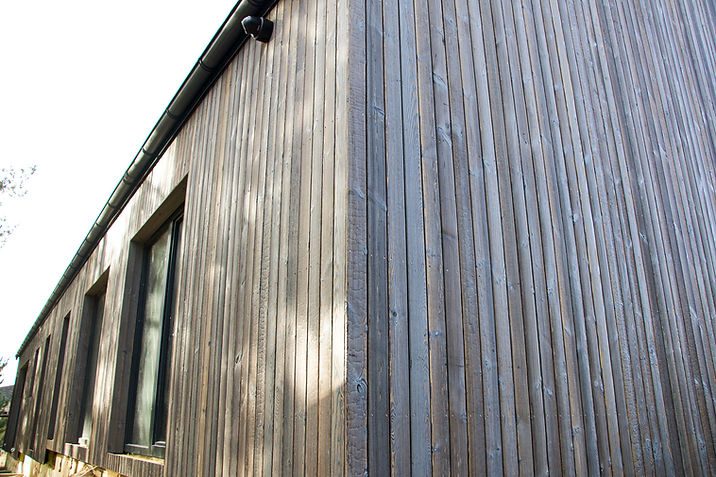
Wood cladding can be installed horizontally, vertically, or in creative patterns to achieve unique architectural effects.
Strong Insulation Properties
Timber naturally contributes to improved thermal performance and energy efficiency.
Although wood cladding exterior systems may require periodic treatment and maintenance, many homeowners believe the aesthetic benefits outweigh the additional upkeep.
Factors to Consider Before Installing Cladding
Before selecting a cladding system, consider the following:
Climate Conditions
Different materials perform differently in varying weather conditions. Choose a solution suitable for your local environment.
Maintenance Requirements
Some materials require regular cleaning, staining, or sealing, while others offer virtually maintenance-free performance.
Sustainability Goals
If environmental impact is a priority, look for responsibly sourced timber or recycled composite products.
Budget
Consider both upfront installation costs and ongoing maintenance expenses when evaluating options.
Building Regulations
Ensure your chosen cladding system complies with local building codes and safety requirements.
Conclusion
Cladding has become an essential feature in modern architecture, offering protection, energy efficiency, and design flexibility. Whether you're exploring what is cladding , learning about what is cladding construction , considering composite cladding UK solutions, evaluating cladding for houses , or admiring the natural beauty of wood cladding exterior systems, the right cladding choice can significantly enhance the performance and appearance of your property.
By selecting high-quality materials and professional installation, property owners can enjoy long-lasting protection, improved energy efficiency, and exceptional visual appeal for years to come.