
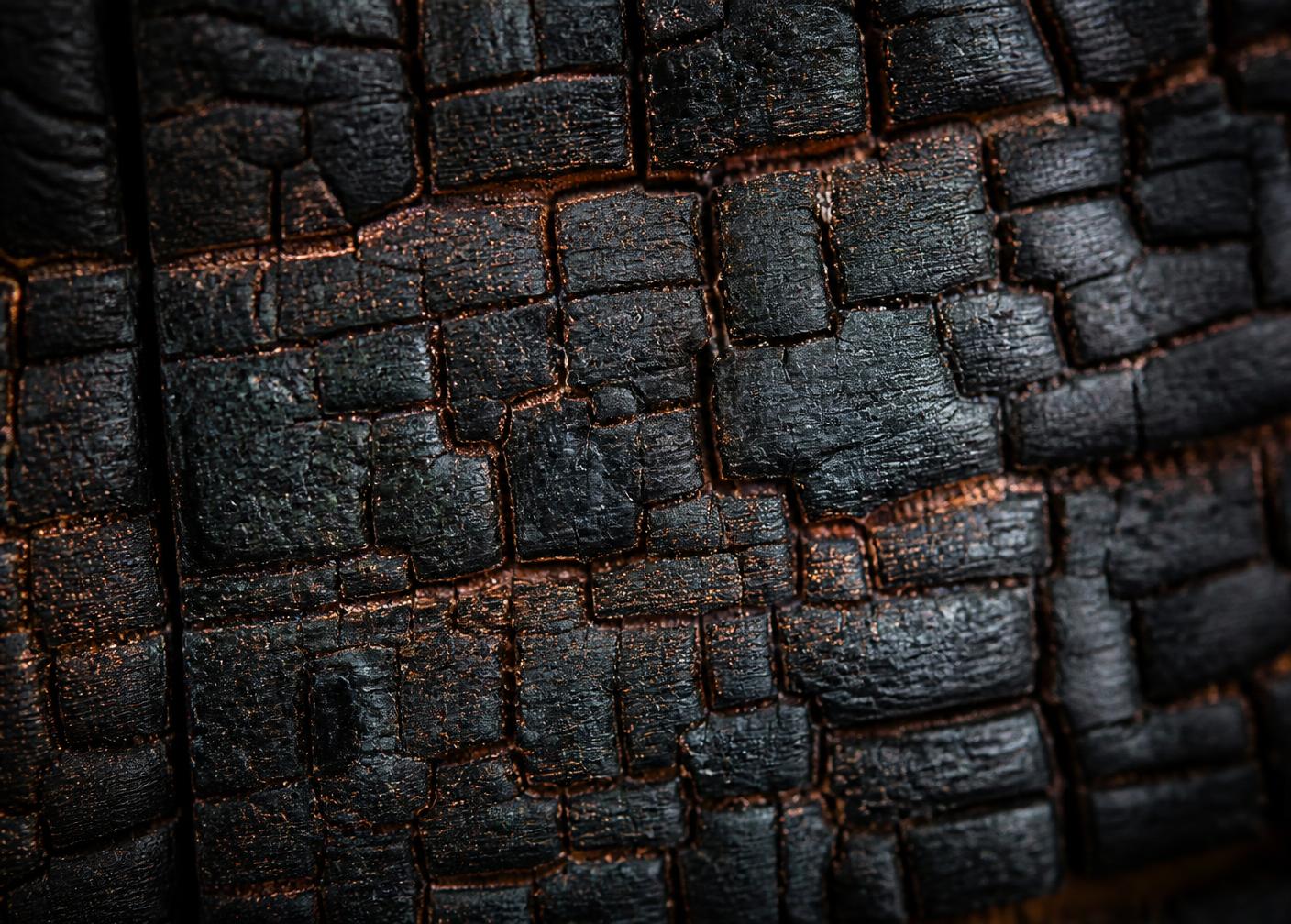
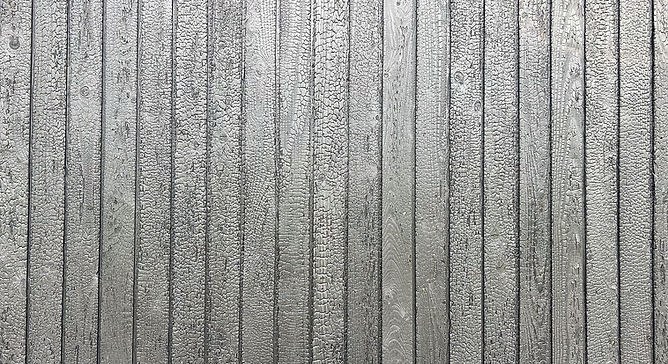
The transformation of charred wood from being solely a material for artisan workshops to becoming a part of the houses, hospitality and top architecture is because it gives design something very rare: an authentic texture with timeless calmness. The process of burning, brushing, and sealing of wood results in the release of great grain, dark colors, and a shiny matte finish, which perfectly matches the minimalist décors of stone, glass, leather, and the like. If properly applied, Charred Wood interior creates silence mixed with drama, clutter-free warmth, and nature-supported modern style.
What makes charred wood special?
The carefully managed charring, taken to the extreme of carbonization and no more carbonizin,g gives an instant and very light carbon appearance to the surface of the board; it also enhances the cell structure, the life of the product, and at the same time, brings out the grains more clearly. The surface is an ideal mix of being natural and classy. The subtle variations among the boards are viewed with favor by the designers because they are one of a kind, which contributes to visually stunning feature walls, ceilings, cabinetry, and furniture from every angle.
On top of looks, burnt timber is also valued for its lifespan and easy maintenance. The layer of carbonization safeguards the wood against decay caused by moisture, insects, and fungi. This feature allows the wood to be used in places that are harsher than others, such as kitchens, halls, and public buildings, where the materials must be attractive and at the same time usable in a practical sense.
From exterior inspiration to interior statements
At first, charred timber cladding was mainly used for the exterior facades, but then its character was such that it inspired interior applications with the same sense of confidence and permanence. Charmi in living rooms, the texture accentuates fireplaces and entertainment walls; in bedrooms, it makes a warm atmosphere; in shops and cafes, it provides a brand character that can be quickly recognized through layer and in depth. Charred wood cladding gives both the typologies, indoor and outdoor, a twinning and a biophilic design continuity.
Design moods you can create
Charred surfaces are surprisingly versatile:
- Lux minimalism – pair with white plaster and soft linen.
- Mountain-modern – blend with raw stone and blackened steel.
- Japandi calm – combine pale floors and simple furniture lines.
- Urban loft – contrast against concrete and large windows.
Lighting is essential. Grazing light across the grain emphasizes ridges and valleys, turning a flat wall into a living sculpture throughout the day.
Applications that transform spaces
- Accent walls and entry features
- Kitchen islands and cabinet fronts
- Ceiling panels with concealed lighting
- Stair risers and screens
- Headboards and built-ins
- Reception desks and hospitality spaces
Charring wood might be a very good choice for places where you want to focus and be comfortable—reading nooks, living rooms, and soothing bath areas (without forgetting sealing and air circulation). The reason is that charred wood has a very grounded feeling.
Sustainability and wellness
Many species suitable for charring grow quickly and are domestically sourced, minimizing transport impacts. Finishes are typically minimal compared with heavily coated alternatives. This material invites touch, reduces visual clutter, and reinforces restorative spaces—qualities aligned with wellness-focused interior design.
Working with professionals and sourcing
Quality matters. Properly charred, brushed, and sealed boards perform better and age more beautifully. Trusted brands such as Inflamed offer consistent profiles and finishes engineered for interior use, making installation smoother for designers and builders. If you’re exploring distinctive surface materials, Inflamed provides options that balance artisan character with modern performance standards.
Care and maintenance
Charred wood used indoors is relatively simple to care for—dust regularly, avoid harsh abrasives, and refresh finish as recommended by your supplier. Because the carbon layer is stable, color retains depth over time when protected from prolonged direct UV exposure.
Key points to remember (added point section)
- Charred wood adds dramatic texture with natural warmth
- Works across modern, rustic, and minimalist interiors
- Durable with resistance to moisture and pests
- Pairs well with stone, metal, glass, and soft textiles
- Lighting design enhances its sculptural grain
- Professional sourcing ensures consistent quality and safety
Bringing it home
Be it a peaceful escape or a daring commercial highlight, Charred Wood interior can take you back to ancient times while still being modern at the same time. Letting the buildings and the materials be honest with their qualities and characteristics, you make a refusal to invite ornament. A Charred Wood interior can be a memory maker for ordinary rooms when used in a well-considered manner—powerful in a subdued way, pleasant to touch, and very much human.