
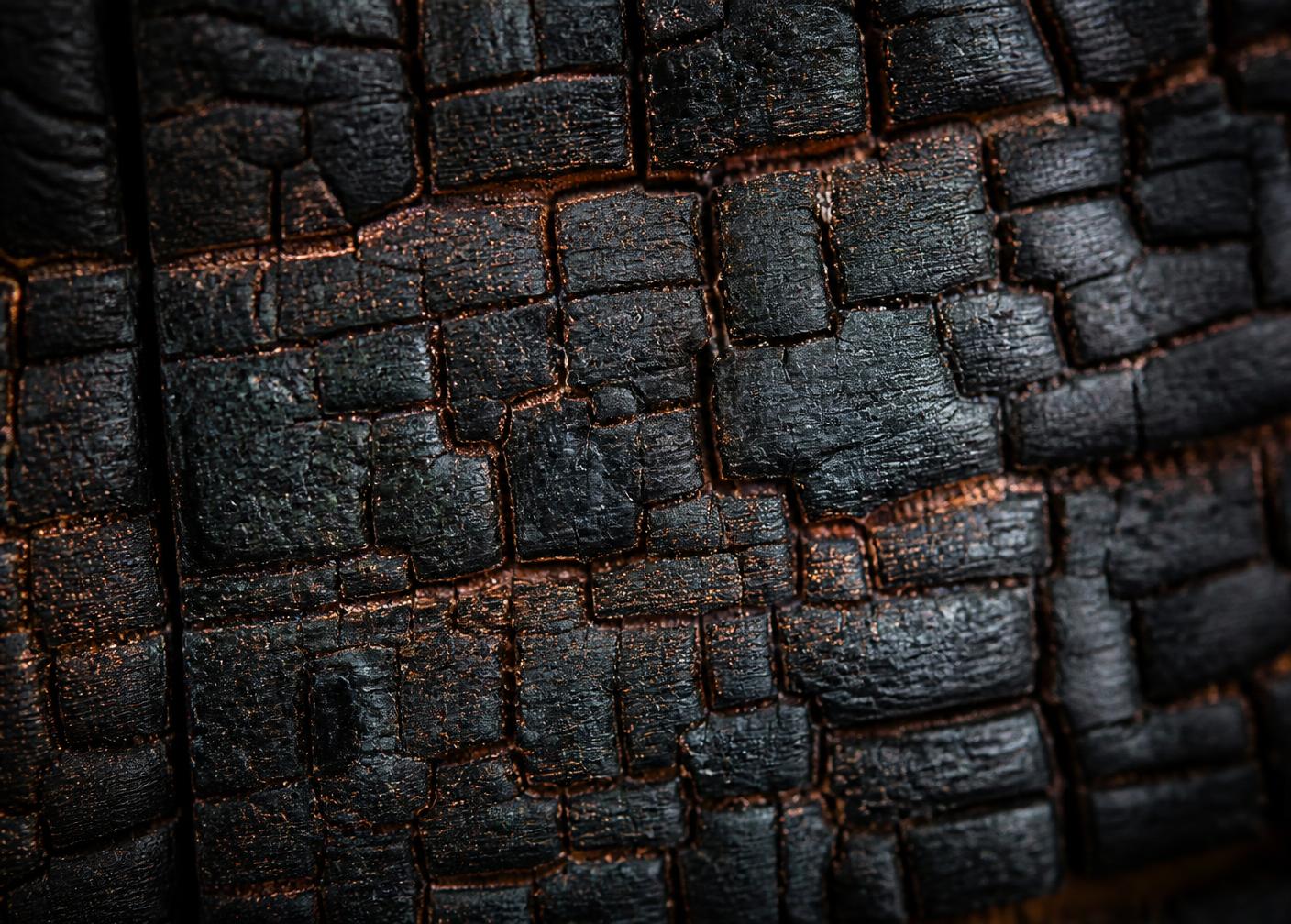
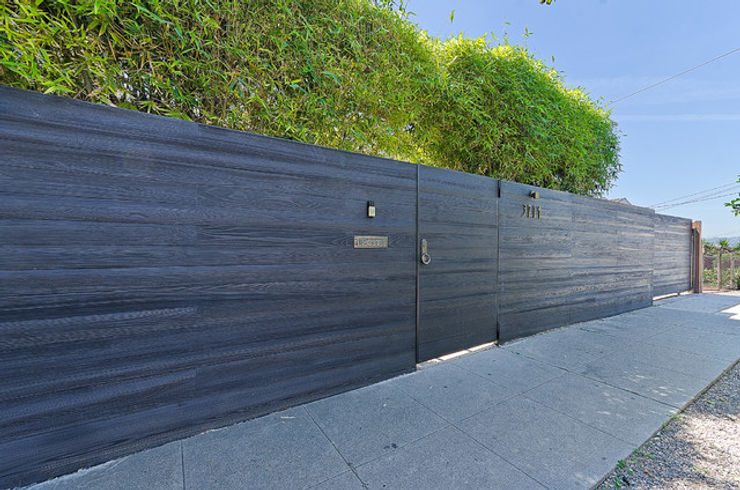
With the changing choices of individuals, the field of exterior and interior design has experienced a huge transformation. But there are a few techniques that create a striking impact and are practiced through generations. One such technique is the ancient Japanese art of charring wood. Charred wood, also known as shou sugi ban, has a unique surface created by a special preservation method. The technique has been used in Japan since the last century and is still in use, although an innovative method is followed.
Shou sugi ban fencing is a typical style of burning wood partially for its distinctive advantages. From beauty to durability, the process loads it with unique features and makes it suitable for residential backyards and commercial properties as well. The technique can be used to create a timeless look with long-lasting performance. This wood type is suitable for places like Japan, which experiences a humid climate.
Burnt Wood that’s more resilient than regular wood
Shou sugi ban means burnt cedar board. The technique involves carefully charring the surface of wood using fire. It is a precisely controlled process that creates a protective carbonized layer on the wood that preserves it for decades. The carbon shield makes the surface waterresistant, just like a bird's feather. It also protects the wood from insect attacks and rot. During the charring process, the wood's pores are filled. As a result, moisture stops penetrating the surface. So the wood resists moisture naturally, needing no chemical treatment. It is an environmentally friendly technique that creates boards with stunning visual depth.
Charred Japanese wood or shou sugi ban is available in different natural shades, the most popular of which are:
- Deep black
- Rich brown
- and Silvery grey
Property owners can select the shade according to their own design preferences. Shou sugi ban fence develops a beautiful layer on teh surface over time. While this enhances the natural, raw look, it can be delayed using surface treatment, if required.
Stunning features of SHou Sugi Ban:
The Aesthetic Appeal of Shou Sugi Ban Fencing
The distinctive look of shou sugi ban makes it a preferred choice for charred wood fencing. Not just home owners, but commercial property owners also include it in their contemporary architecture. The wood offers unique aesthetic advantages over conventional fencing. In addition to fencing, the wood also finds several uses in landscaping and creating dark backdrops in interiors. It beautifully complements both minimalist modern designs and traditional landscape settings.
Rich, Unique Texture that adds Dimension
Traditional smooth painted fences look elegant, but charred surface can add rich texture and dimension to the flat surface. The surface beautifully transforms as sunlight moves across it throughout the day. Each board is unique as the carbonized layer develops unique cracks and patterns during the burning process. So the pattern present in your fencing or surface is unique to your property.
Timeless, Yet Contemporary
Shou sugi ban surface offers an ultra-modern appeal. The technique has been in practice since the last century. The charred wood obtained using this process results in a unique pattern. For modern homes, this unique appearance enhances teh look and makes the surface resistant to external factors.
Versatility in Styles
The wood offers multiple ways to design home or office interiors or exteriors. From minimal home interiors to industrial architecture, the neutral color palette beautifully complements the existing theme without the need for any design update.
Durability Benefits
Unlike conventional options, shou sugi ban offers several practical advantages in terms of durability. It is a great long-term investment for homeowners and commercial property owners alike. Normal wood surface absorbs water through moisture in teh air that damages it over time. While charred wood surface repels water, preventing the moisture damage. Thus, a fence mae from charred wood stays safe from rain, snow, humidity and temperature changes. Similarly, the carbon layer makes the wood termites, ants and insect-proof. As the charred surface has been exposed to very high temperatures, it needs a higher temperature to ignite. This ensure fire-resistance to a great extent.
Minimal Maintenance Requirements
Shou sugi ban is one of the wood types that require minimal maintenance. Traditional wooden fences demand regular painting, staining and treatment while shou sugi fencing requires virtually no maintenance. When installed, the fence naturally weathers and develops protective properties for decades. The lifespan of the wood can exceed 100 years.
Shou Sugi Ban Cladding
Shou sugi ban has several features that make it suitable for fencing. Another popular use for the wood is designing Shou sugi ban cladding for your home interiors and exteriors as well. Elements like facades, accent walls, siding and architectural features can be designed using the wood. Exterior cladding using this wood creates attractive designs and the building stays protected from weather for years. The wood has a unique texture that compliments all styles of interiors. The carbonized surface doesn't leave black residue when touched if proper finishing and sealing are done. Thus, using the traditional technique for charring and then sealing the surface with innovative modern techniques can produce surprising results. Professionally crafted wood can find various applications with guaranteed benefits.
Environmental Impact: A Green Building Solution
Many construction and renovation companies are practicing green construction these days and are searching for alternatives with a lesser environmental impact. Shou sugi ban offers a great alternative to traditional building practices with reduced environmental impact. The process of charring doesnt involve the use of chemicals. To create the perfect shou sugi finish, only fire and natural oils are required. Secondly, install it once and forget it for decades. The wood will never demand any maintenance or replacement unless you decide to change the aesthetics. The extended lifespan of the structure will save you maintenance and replacement expenses. The satisfaction of a reduced environmental footprint is an added advantage.
Making the Right Choice for Your Property
Deciding whether ban fencing suits your property involves considering several factors. From the aesthetics to the investment needed, every factor needs due consideration. From modern or contemporary homes looking for a wood alternative that delivers bold aesthetics to eco-conscious households prioritizing sustainability, weather resistance and low maintenance, INFLAMED provides stunning, handcrafted charred wood products, including shou sugi ban solutions. The company has proven its worth across centuries.
So, for home owners looking for a durable wood to enhance their exteriors or professionals aspiring modern cladding solutions for their office interiors, Inflamed shou sugi ban solutions offer a range of charred wood solutions with excellent craftsmanship.