
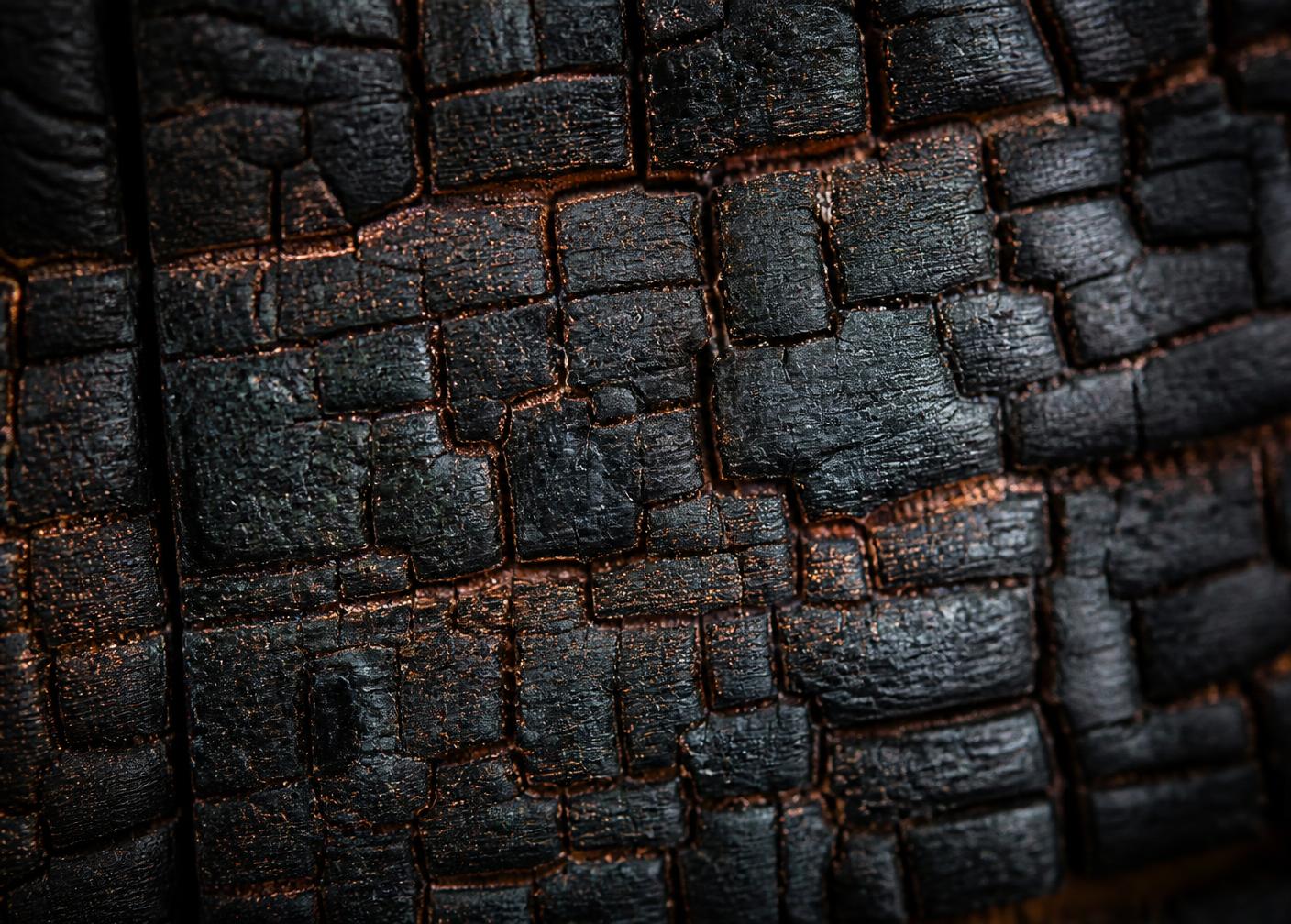
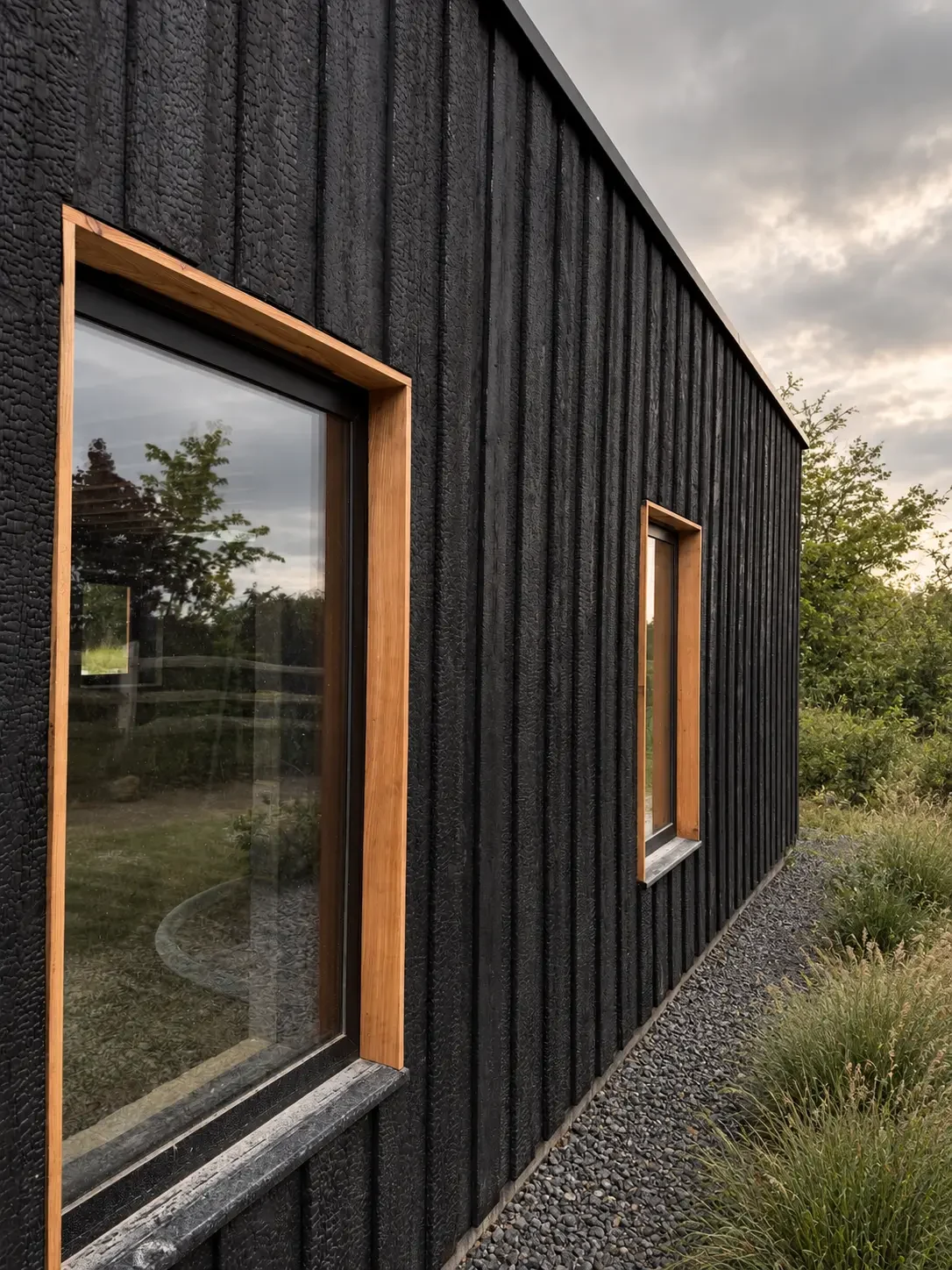
A charred timber deck is designed to attract outdoor appeal, but that does not mean it can be left on its own forever. Rain, sunlight, dirt, moisture, foot traffic- all these things will slowly but surely affect the condition of the timber. The key here is to understand which effects on the surface are natural and which require some action from the owner.
Maintaining a shou sugi ban deck is much easier than most people think. You don’t have to apply any treatments to the timber or make it look brand new during its entire life. Usually, the only things you’ll have to do are periodic cleaning, inspection, and oiling of the deck’s surface. Thorough maintenance strategies depend on the type of timber used and its finish.
Therefore, how exactly should you take care of burnt wood decking outdoors? Here are the answers to this question and many others.
Start With the Right Maintenance Routine
First and foremost, it is important to be familiar with the particular needs of the deck. It should be mentioned that Shou Sugi Ban is not your typical black-painted hardwood deck. Instead, it is made of wood that has been torched, cleaned of loose soot, and then oiled.
With this knowledge in mind, it is reasonable to believe that routine, light service is preferable to heavy, irregular upkeep.
It should consist of:
- Sweeping fallen leaves, dirt, and debris off.
- Cleaning the surface as soon as dirt starts building up.
- Checking the parts where moisture lingers.
- Looking out for any damage or exposed wood.
- Inspecting fixings and joints while cleaning.
- Oil treatment once the current finish needs to be refreshed.
The level of maintenance can vary depending on different factors like timber type, finish, and weather conditions.
Clean Without Damaging the Surface
An outdoor deck will inevitably gather dirt, leaves, pollen, and other debris. If these materials linger on the surface for too long, they may keep moisture in contact with the wood.
A soft brush should be used to clear any loose dirt. More thorough cleaning should be done using an appropriate wood cleaning technique, based on the finish of the wood. Do not clean the wood as you would concrete or stone.
Some cleaning techniques could affect the look of charred wood. Excessive pressure might affect the finish, particularly if this has been brushed to make the grain show through.
The easy principle is: Clean enough to get rid of the dirt without overdoing it.
This point becomes particularly significant when comparing natural charred timber with composite timbers. Millboard decking burnt cedar, for instance, is a composite wood substitute with a Lastane finish. Millboard claims that its decking boards do not need frequent sanding, staining, or oiling.
Watch How Weather Affects Burn Wood Decking Timber
No wood outdoors remains the same. The real issue is how it gets changed and whether the change is expected.
The deck exposed to bright sun will have different weathering compared to another deck located below a sheltered terrace. Weather, humidity, temperature, and traffic will affect the finish as well.
That is why the maintenance should depend not only on the schedule but also on the current condition of the boards.
Pay particular attention to:
| Area to check | What to look for |
| Surface | Fading, dirt, or changes in the finish |
| Board edges | Cracks, damage, or exposed timber |
| Joints | Dirt and moisture collecting between boards |
| Shaded areas | Persistent dampness or organic growth |
| High traffic areas | Faster wear or surface changes |
| Fixings | Loose or damaged connections |
Regular observation can prevent a small maintenance issue from becoming a larger repair.
Understand When Re-Oiling Is Needed
One of the most crucial steps during maintenance is determining when the oil needs to be replenished.
The finishes from Inflamed recommend that the oil be refreshed once every three to five years, depending on how exposed the deck is to the elements. It also notes that their finishes do not need sanding and repainting for maintenance purposes.
But the specific interval will depend on the condition of the deck. If it is more exposed to the elements, then maintenance will be needed sooner rather than later. And before adding any new substance, one should determine the original finish and follow the recommended maintenance procedure.
Do not add any random substance just because it is time for maintenance. Maintenance is aimed at preserving the original finish and not covering it.
Understand Natural Changes Over Time
Another misconception is that the surface of a burnt wood deck should never change at all. Natural timber may present different shades of color and textures. The grain, knots, and even the exposure to weather conditions and sunlight may affect the surface.
This doesn’t mean that the material becomes defective.
Maintenance helps timber to age gracefully without constantly trying to bring it back to its initial state. A well-finished surface of burnt wood decking may develop a mature shade of the wood while keeping the charm that made it attractive.
When you are working on a project in which the appearance of materials is critical, you may order samples of timber before choosing the material. Looking at real-life samples is always more helpful than looking at the shade of dark timber through the screen.
Compare Natural Char With Alternatives
It is also useful to understand the difference between naturally charred timber and products designed to reproduce its appearance.
Millboard decking burnt cedar is a composite decking option made without wood. Its manufacturer describes it as wood-free, UV stabilised, weather resistant, and designed for low maintenance.
Natural charred timber follows a different approach. The surface is physically charred, brushed, and finished with wood oil. The result is a real timber surface with natural grain and variation.
| Feature | Charred timber | Composite alternative |
| Main material | Natural timber | Composite material |
| Surface character | Real char and wood grain | Manufactured wood-like appearance |
| Maintenance | Cleaning and periodic re-oiling | Cleaning as required |
| Weathering | Developers with exposure | Designed for consistent performance |
| Repair approach | Timber specific | Product specific |
Neither approach is automatically right for every project. The better choice depends on the look, material preference, exposure, maintenance expectations, and technical requirements.
Avoid Common Maintenance Mistakes
Almost all maintenance issues arise out of excess work done, rather than lack thereof.
Common mistakes to avoid include the following:
- Using caustic chemicals without considering compatibility.
- Pressure washing.
- Using the wrong kind of oil or sealant.
- Sanding surfaces that do not need it.
- Neglecting standing water and drainage.
- Letting leaves fall and remain on the deck.
- Believing that all timber needs the same treatment.
Only carrying out inspections once there is obvious damage to the wood planks. When there is any confusion regarding the original finish, timber used, and repair techniques to be employed, it would be best to inquire with the supplier/manufacturer prior to the maintenance work.
With regard to the specialist supplier like Inflamed, the information provided here would come in handy.
Frequently Asked Questions
Do you need to oil your Shou Sugi Ban deck regularly?
Yes. You might be required to occasionally oil your charred timber deck in order to preserve its protective coating. Inflamed suggests you re-oil the specified finishes every three to five years.
Can you pressure wash your charred timber decking?
The answer is no. You should avoid pressure washing your deck unless you are certain that this can be done safely for your particular timber and finish.
Do you need to sand your burnt wood decking?
No. As per Inflamed's product guidelines, sanding or repainting is not necessary; only regular re-oiling will do.
Is Millboard Burnt Cedar really made from charred wood?
Not at all. This is a non-wood composite material that imitates the look of timber. Instead of using charred wood, it employs a mineral-resin composite with a Lastane finish.
How frequently should one inspect an outdoor charred deck?
It seems logical to perform a brief inspection while cleaning. Look out for dirt accumulation, moisture presence, broken boards, loose fasteners, and any alterations in the finish.
Let the Timber Age With Character
Taking care of a shou sugi ban deck surface is not about regularly treating the wood but rather about getting to know your timber. Cleaning the surface and monitoring the way it reacts to the environment is all that needs to be done, along with occasional oiling whenever the surface requires a new coat.
The best results will always be achieved by selecting the appropriate timber and finish from the start and providing it with only the required maintenance. Charred timber is meant to weather and age well outdoors, and proper care ensures that the aging process occurs without damaging the quality of the initial surface.
In cases where timber species, finish, exposure, or maintenance need thorough deliberation for a particular project, Inflamed can assist in comparing various types of charred timber and finishes before specification of the material. Getting a physical sample for assessment is another useful step in decision-making.