
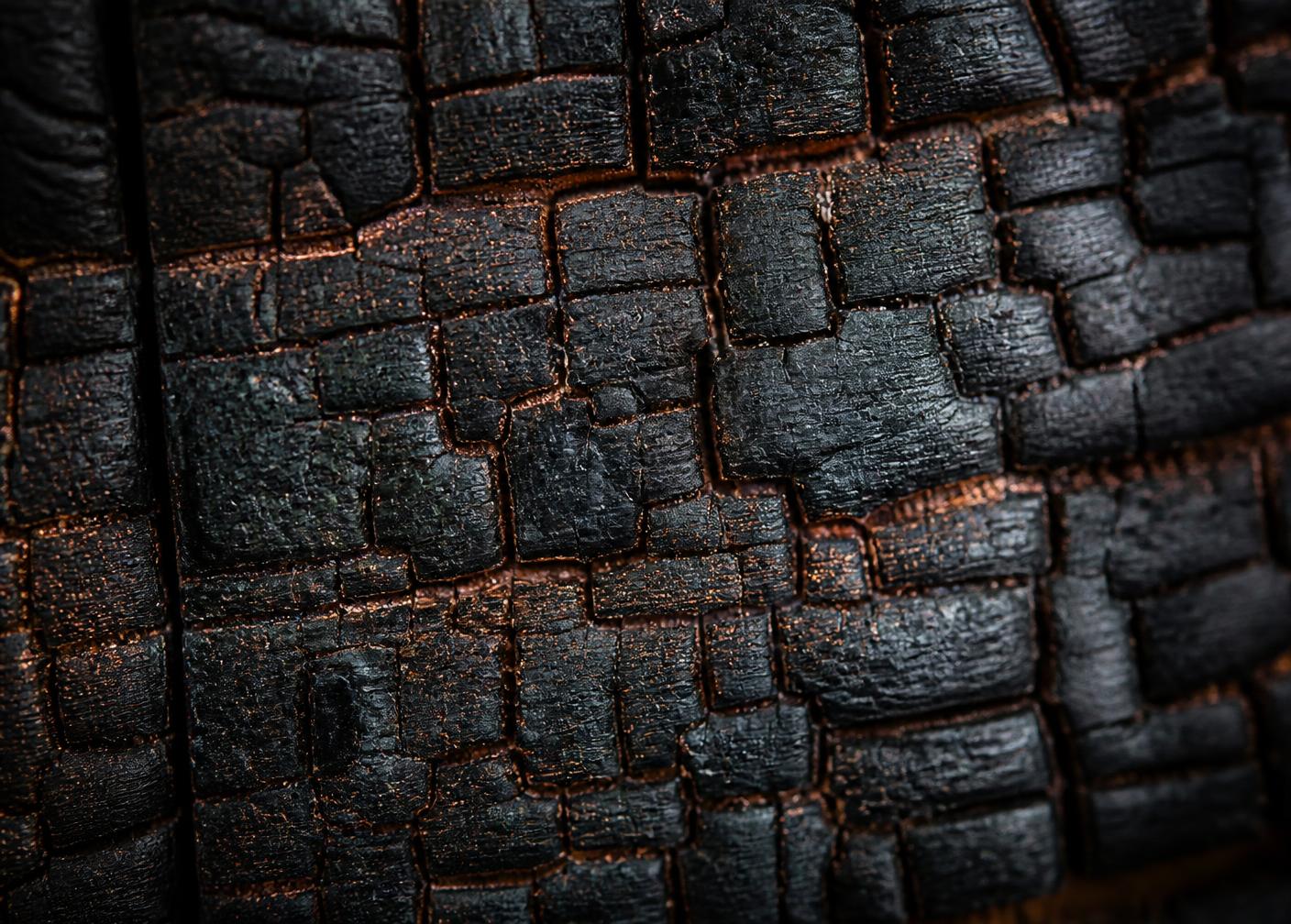
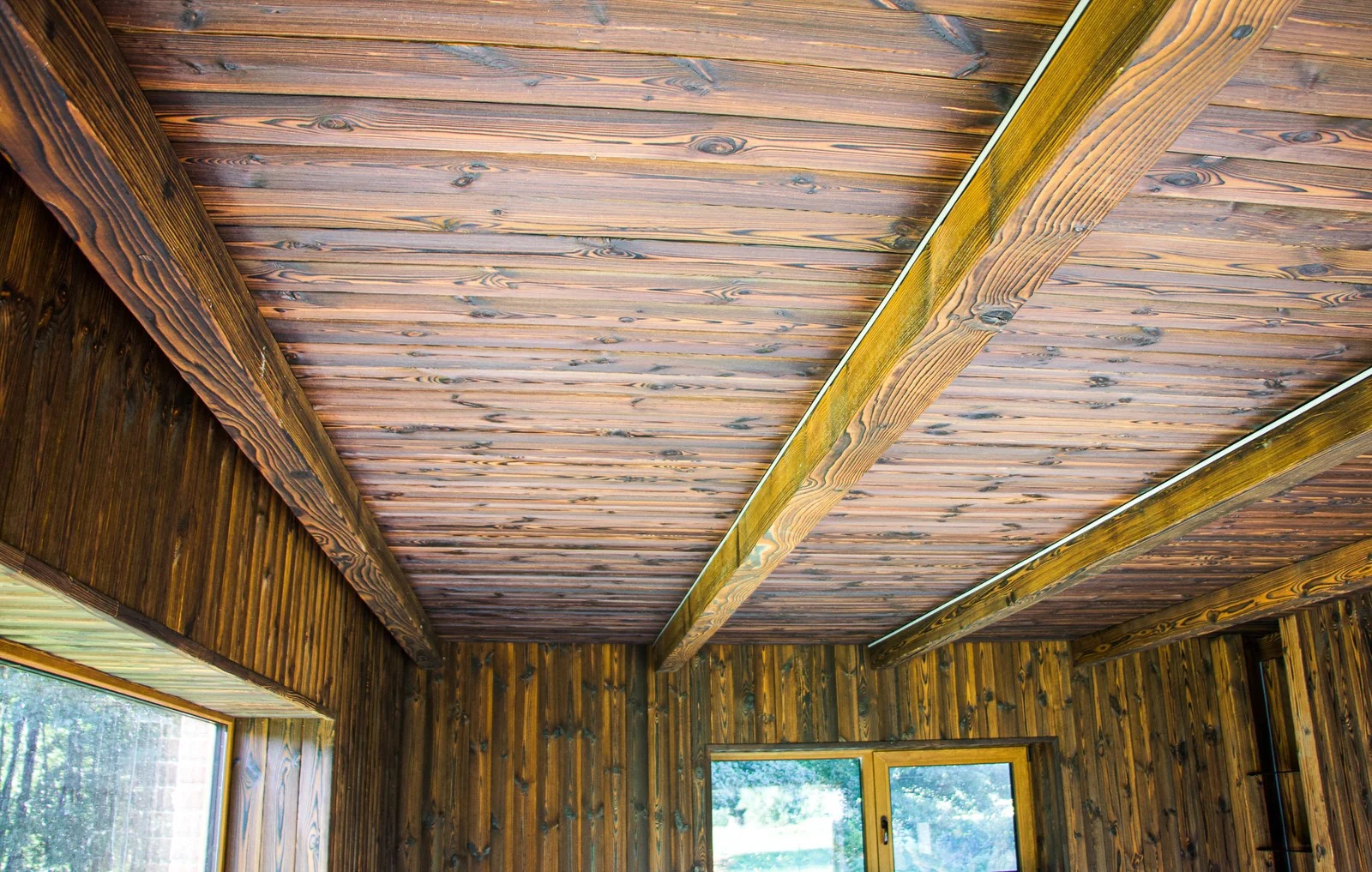
Shou Sugi Ban (Yakisugi) is a traditional Japanese method of burning wood to make it more durable and resistant to the environment. However, the question is: how long does it really last? Although the lifespan of 80 years may be one of the most popular statements regarding charred wood, it is not the case for all charred wood products.
The actual lifespan of charred wood completely depends on the type of tree, the quality of burning, correct installation, and maintenance. And this is where Accoya wood comes in handy. Combining this ancient craft with the exceptional engineering performance of Accoya will ensure the highest level of longevity for your timber facade.
In this article, we will take a look at the performance of Shou Sugi Ban Accoya, the aspects that affect its durability, and how to extend its lifespan.
What Is Shou Sugi Ban and How Does It Work?
Shou Sugi Ban wood is a traditional Japanese process of fire charring that protects the wood by deeply burning the surface. It started with using cedar boards bound into chimneys, which were lit to cause a carbonised outer surface to protect the wood from insects, water, and UV damage.
Charring changes the exposed surface of the wood. Modern controlled burning, brushing and protective finishes create distinctive exterior timber cladding, but performance also depends on the substrate, detailing and care.
It is now commonly used throughout the world in architecture, especially for:
- Minimalist residential facades
- Architectural projects of grand scale
- For homes constructed on the coastline, durability is key.
- Structures that will stand out for their modern architecture.
Can Shou Sugi Ban Really Last 80 Years?
The widely cited 80-year lifespan of Yakisugi (Shou Sugi Ban) is based on old cedar siding in Japan, which degraded gradually over decades but did not rot. Nevertheless, it should be understood as an idealized goal, not a warranty.
Charring alone is not a guarantee of durability across different timber species. Longevity depends on the underlying material and the principles of construction, including:
- Choice of Material: The choice of durable species of wood.
- Ventilation: Proper ventilation of the system from behind the cladding to avoid water entrapment.
- Environment Control: Taking into consideration the climate and creating a rigorous maintenance schedule.
Modern architecture needs to be guided by the guarantees of the manufacturers, but not promises of 80 years’ longevity.
Why Combine Shou Sugi Ban with Accoya Wood?
In all charred facades, there is one secret. The quality of the char depends on the quality of the wood underneath. Here comes Accoya charred timber to turn this relationship upside down.
Accoya is modified timber made from radiata pine through acetylation. This process reduces moisture uptake and improves dimensional stability and durability.
What Accoya brings:
- Durability Class 1, the highest rating for timber durability
- A 50-year above-ground warranty against rot and fungal decay, subject to Accoya warranty terms; it does not cover colour or finish retention.
- Exceptional dimensional stability
- Resistance to swelling, shrinking, and warping
Combining an Accoya substrate with a charred finish provides a distinctive surface supported by dimensionally stable modified timber. Movement is reduced, not eliminated. Actual service life depends on the specification, exposure, installation and maintenance; no 60- or 80-year service-life guarantee is implied.
However, longevity relies greatly on the way that the substance is processed and installed. Consistent char depth, proper brushing, and adequate protective coating all affect its performance. Poor control during charring may result in different regions having different weathering behavior, whereas improper installation may cause water retention behind the boards.
What Factors Affect the Lifespan of Charred Accoya Wood?
Even the best materials underperform with poor detailing.
Quality of charring. Consistent processing and finishing help achieve a uniform surface. Charring should not be treated as a substitute for durable timber and appropriate detailing.
Preparation and treatment of wood. Wood should be dry, stable, and adequately prepared for burning. Excess moisture in poorly seasoned timber causes movement, cracking, and deterioration of the finish.
Installation and ventilation. Provide a continuous ventilated cavity of at least 20 mm behind the cladding and a minimum installed clearance of 200 mm above finished ground level. Correct detailing helps prevent moisture retention behind the boards.
Climate. Rain, intense sun, salty air, and high humidity accelerate weathering. Well-protected wood on a protected wall will outlast any exposed wall.
Protection coatings and maintenance. Low-maintenance does not mean no maintenance at all. Regular cleaning and oiling help to slow down the process of weathering.
Material quality and workmanship. Thickness, consistency of boards, proper fixing, proper alignment, and installation are crucial elements of good workmanship.
How to Maintain Charred Accoya Cladding
Charred Accoya cladding does not require intensive maintenance. But regular check-ups help preserve its beauty and durability. The exact maintenance depends on the protective finish, environmental exposure, and the appearance you want to maintain.
- Inspect for impact damage from ladders, tools, or other debris one or two times a year.
- Gently clean with a soft brush or damp cloth.
- Do not pressure wash - it will remove the char and break down the fibers.
- Re-oil based on the manufacturer’s instructions for the protective finish, considering the environmental conditions.
- Oil cut ends immediately during installation.
Pro tip: inspect local damage early and repair it using the guidance for the specified finish.
Is Charred Accoya Worth the Investment?
Charred Accoya sits at the premium end of the market. You are paying for the modified substrate and the skilled labour behind the charring. The real question is whether that cost pays you back.
When the investment makes sense:
- Coastal homes facing harsh conditions
- Architectural statements where appearance matters
- Buildings where access for repairs is difficult
- Projects prioritising minimal long-term maintenance
When it might not:
- Tight budgets with flexible maintenance schedules
- Sheltered locations with low weather exposure
- Projects where natural weathering is an acceptable aesthetic
The bottom line: because Accoya moves less, coatings last longer and the risk of warping drops. For many projects, the maths works. But it is not the only route - traditional charred timber cladding in cedar or larch can perform well at a lower cost, provided ventilation is designed correctly.
Why Choose Inflamed for Charred Accoya Cladding?
Choosing charred Accoya cladding is about more than selecting a premium timber. It requires the right combination of material quality, controlled charring, and technical understanding to achieve a consistent finish that performs over time.
At Inflamed, we focus on providing architectural charred timber, utilizing Japanese Yakisugi processes in conjunction with current timber processing practices.
Working with Inflamed means that you will have access to:
- Precise charring: Precise carbonization and a controlled finishing process.
- High-quality timber: Timber choices suited for architectural external applications.
- Technical knowledge: Advice regarding the choice of timber, finishes, and cladding choices.
- Tailor-made solutions: Suggested products based on your architectural requirements and environmental conditions.
Regardless of whether you are an architect designing a modern exterior facade or a private citizen seeking unique exterior cladding, Inflamed can provide assistance.
Which Charred Wood Is Best?
| Feature | Charred Accoya | Charred Cedar | Charred Larch |
|---|---|---|---|
| Dimensional stability | Excellent | Good | Moderate |
| Natural durability | Class 1 modified timber | Species-dependent | Species-dependent |
| Movement | Very low | Can move | Can move |
| Maintenance | Finish-dependent | Finish-dependent | Finish-dependent |
| Initial investment | Premium | Variable | Variable |
| Best suited for | Premium architectural facades | Traditional and contemporary facades | Rustic and contemporary facades |
Conclusion
The often-cited 80-year lifespan of Shou Sugi Ban is not a promise for every product. Charred Accoya combines a dimensionally stable, durable substrate with a distinctive finish, but performance depends on materials, processing, ventilation, installation and maintenance.
Design for durability rather than assuming an 80-year service life.
Don't settle for longevity claimed on the packaging; design a cladding system that deserves it. Explore Inflamed's charred Accoya range today and speak to our team about the right specification for your project.