
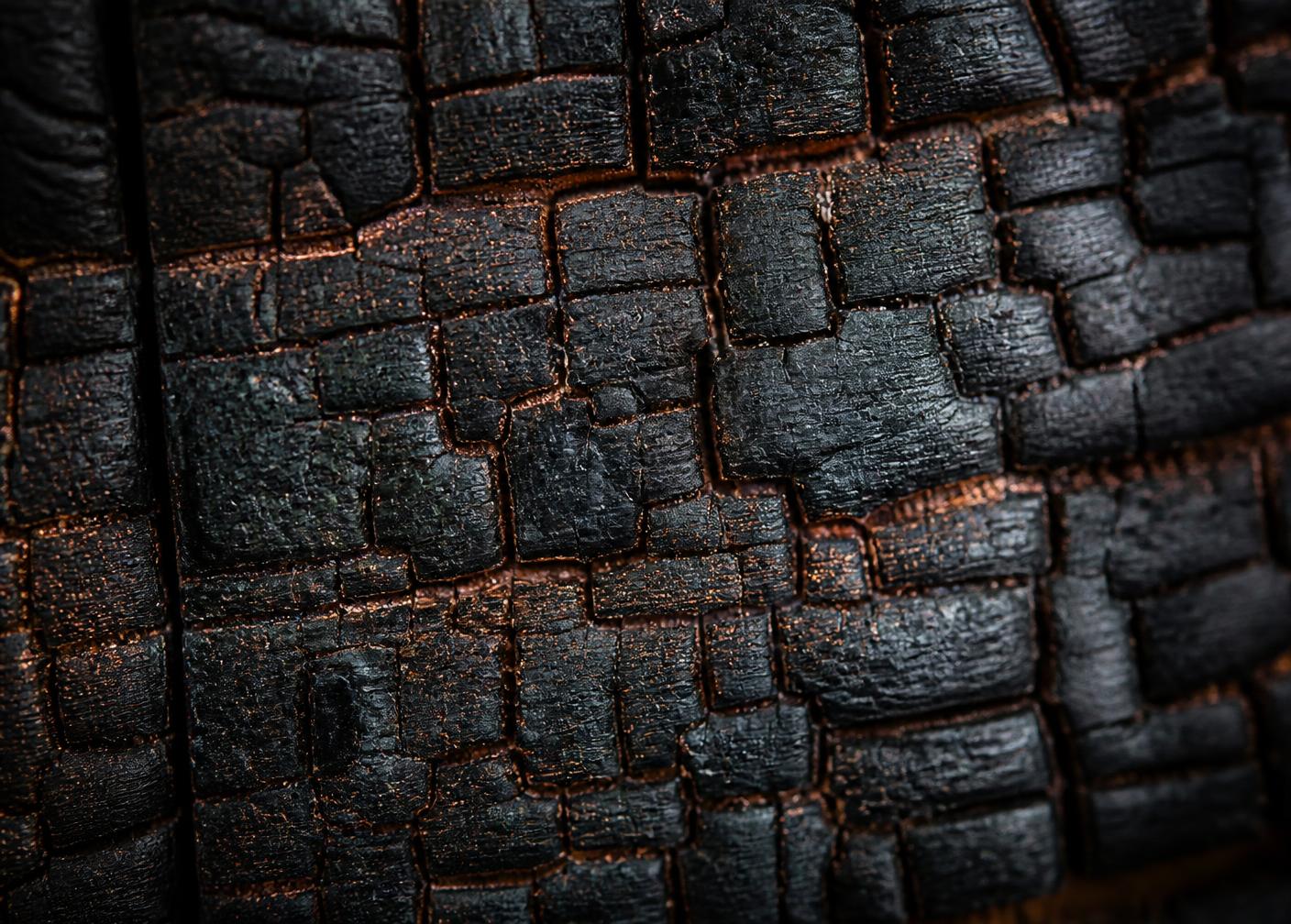
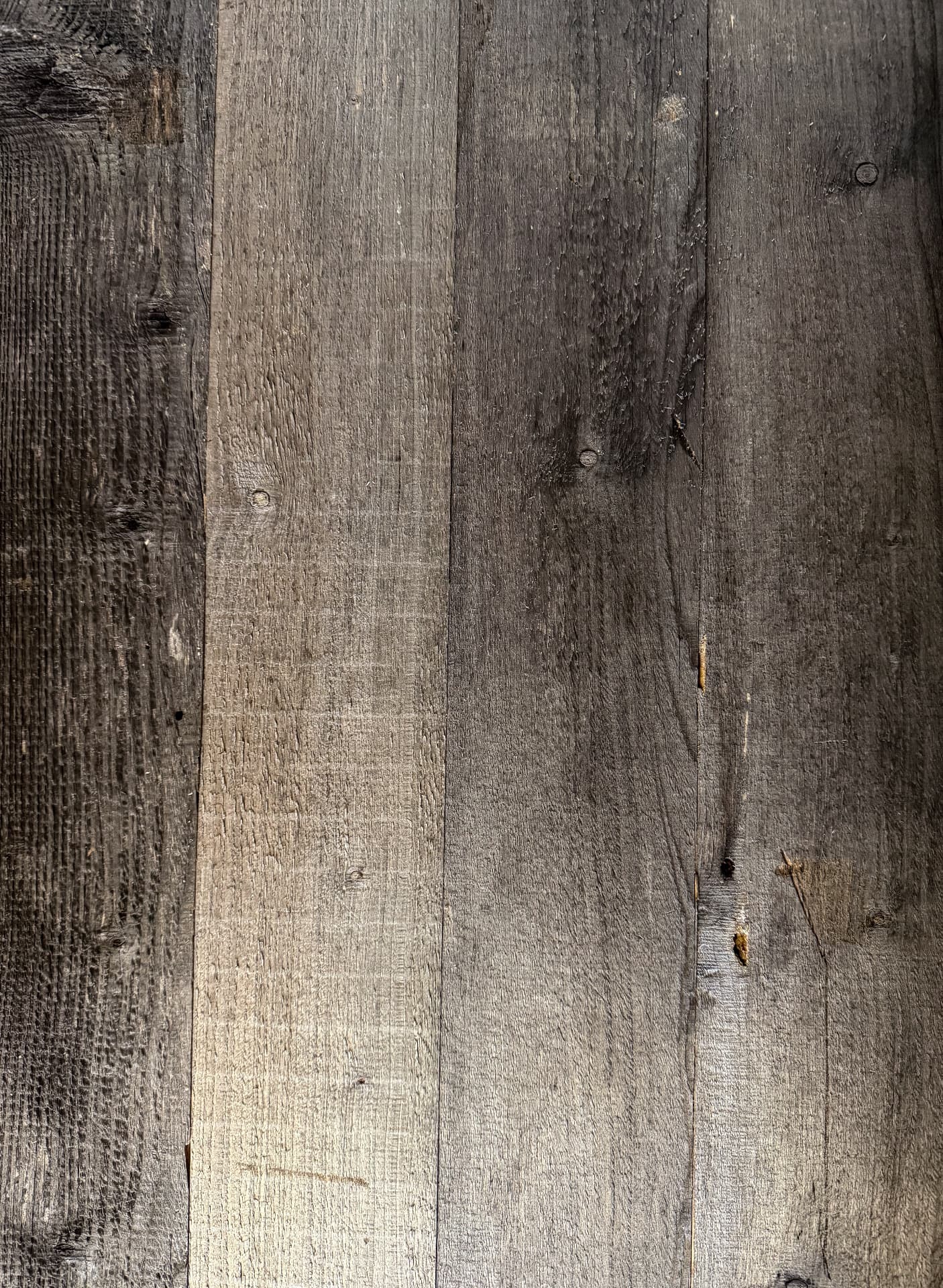
Cheap wood usually appears to be a smart investment at the point of purchase. But after a few years, one learns that the wood has warped and requires costly maintenance. There is no need to look at the initial cost of the wood, since selecting timber is not a case of choosing a reasonable product. Matching wood to its environment makes all the difference.
When selecting the right timber for both indoor and outdoor use, there are five crucial factors to consider. These are;
- Exposure to moisture (humid vs. rainy environment)
- Changes in temperature
- Exposure to the sun's UV rays
- Durability
- Maintenance requirements
Wood that works well in confined environments, like a living room, won't withstand outdoor elements for very long. Knowing these distinctions can help you make smarter decisions, and we at Inflamed have put together all the information you require.
Understanding the Indoor-Outdoor Timber Matrix
The selection of timber will become easier for you to understand considering the situation, the implementation of the choice, and maintenance in connection with the cost.
Timber used indoors is placed in a stable condition, particularly when it is installed in a heated or cooled place. Timber used outdoors is more stressed environmentally, so it requires higher natural resistance or suitable treatment.
| Selection Factor | Indoor Application | Outdoor Application |
| Moisture exposure | Usually limited, except in kitchens and bathrooms | Rain, humidity, and repeated wetting |
| Sunlight | Often limited or controlled | Direct UV exposure can fade and weather surfaces |
| Temperature | Generally more stable | Greater seasonal and daily variation |
| Biological risks | Usually lower in dry conditions | Higher where moisture encourages fungi or insects |
| Protection | Finishes mainly suit appearance and intended use | Finishes or treatments may need to withstand weather |
| Maintainance | Clearing and occasional refinishing | Regular inspection and exposure-specific care |
Why Outdoor Timber Needs Greater Protection
Conditions outside may include exposure to moisture in the form of rainfall, a wet atmosphere, sunlight, and biological decay. Picking an appropriate species or using a suitable method of preservation can mitigate these difficulties. It depends on the particular use and the service period.
In other words, although an unprotected decorative panel would suffice for a dry room, it could prove unfit for use in an open garden construction. Moreover, in the case of exterior cladding, one should choose the right timber not for its appearance but for its intended purpose.
When choosing a timber for use outdoors, one should consider the following:
- Its natural resistance to fungi and insect attack;
- Whether any preservative treatment or wood modification is necessary;
- How well water runs off the completed structure;
- Whether the timber will be exposed to rain or protected;
- How often the material and its coating will have to be inspected.
And the important conclusion: Good outdoor performance depends on a combination of appropriate timber selection, proper design, installation, and maintenance, and not just on its initial higher price.
Matching Timber Species to Conditions
Various timbers possess varied characteristics. While some are naturally durable, others require treatment before they can withstand demanding outdoor applications. Different timbers will move differently, and thus dimensional stability is important when boards need to stay straight, or joints need to remain tight.
Some guidelines for timber selection include the following:
- For furniture indoors - focus on aesthetics, working ability, strength needed, and resistance to normal wear.
- For floors inside buildings - consider hardness, dimensional stability, foot traffic, and durability of finishes.
- For exterior cladding - look at exposure to weather conditions, natural durability or treatment, drainage, and maintenance.
- For garden structures - take into account ground contact, moisture presence, loadings, and proper treatment category.
Use of timber depends much more on its intended use rather than on broad classification of either hardwood or softwood. These classifications do not guarantee that a certain product will be applicable in all situations.
If you are researching timber wood alternatives, Inflamed provides appropriate educational resources to help you understand the materials.
Understanding the True Cost of Timber
The purchase cost forms only a part of the total cost of any material. In some cases, a less costly material may need regular maintenance and repairs. Similarly, an expensive material may have more durability and lower maintenance costs, but it will depend on the prevailing conditions.
It is usually helpful to calculate the estimated cost of any of these alternatives for the period they would be used.
| Cost factor | Question to Ask |
| Initial Purchase | What is the price per square meter or unit? |
| Installation | Are specialists fixing, treatment, or additional labour needed? |
| Maintenance | How often must the timber be cleaned, recoated, or inspected? |
| Repair | How easily can damaged sections be required, or inspected? |
| Replacement | What is the expected service life under the planned conditions? |
For a fair comparison, use the same project size and assessment period for each option. Include installation and maintenance costs, and avoid assuming a service life that the manufacturer has not supported.
This approach helps buyers understand why the lowest upfront price may not offer the best long-term value.
How Installation Affects Long-Term Performance
Even suitable timber can fail early if it is installed incorrectly. Wood naturally absorbs and releases moisture, which causes it to expand and shrink. If the design does not allow for this movement, boards may warp, joints may open, and fixings may become stressed.
Good installation should account for:
- Moisture content: Store and install timber according to the product's recommended moisture conditions.
- Ventilation: Provide suitable airflow where required, especially behind exterior cladding.
- Drainage: Prevent water from collecting around joints, board ends, and structural connections.
- Fixings: Use fasteners compatible with the timber, treatment, and exposure.
- Movement: Follow the recommended gaps, overlaps, and fastening methods.
Outdoor cladding should be designed as part of a complete wall system. It is not enough to select weather-resistant boards if water can become trapped behind them.
Indoor projects also need careful installation. Timber flooring, for instance, should be allowed to acclimatise as recommended by the manufacturer, while kitchens and bathrooms require suitable moisture management.
Maintenance: A Small Cost With Lasting Value
Depending on the type of wood, its finish, exposure, and use, there are varying maintenance needs. Interior wood in dry rooms may only require regular cleaning, whereas exterior wood surfaces may require more maintenance.
A practical maintenance plan should include:
- Checking for cracks, loose fixings, and surface damage.
- Looking for damp areas, mould, or signs of decay.
- Cleaning surfaces using methods suitable for the finish.
- Renewing coatings when recommended by the manufacturer.
- Investigating the source of repeated moisture problems instead of covering up the damage.
It needs to understand that not all differences in color necessarily suggest a problem with the material. Exterior wood is prone to developing a natural grey coating. The trick here is to tell the difference between natural damage and a crack that impairs the functionality of the material. Review will enable you to spot small issues before bigger problems occur.
A Practical Checklist Before Buying
Before selecting timber for your indoor or outdoor project, consider the following questions:
- Where is the material to be installed, and what environmental conditions can it expect?
- Does the particular timber species possess the right characteristics?
- Does the timber require any preservative treatment or protective coating?
- Are the timber product specifications, such as the grade, size, and other technical specifications, known?
- How will the installation of this timber be done according to the supplier?
- What maintenance work will be needed, and how often will it be performed?
- Will the expected service life be supported by technical information on the product?
By asking these questions, you will be able to choose your material based on performance criteria, rather than on appearance and cost only.
In the case of structural applications, ensure that the material complies with the strength grade and other requirements as well.
Make Timber Selection a Long-Term Decision
Whether you use indoor or outdoor timber is determined by your understanding of the environment, the wood itself, and the construction needs of your project.
An attractive and inexpensive wood for indoor use may not be suitable for outdoor use and may require treated wood. A good project takes into consideration not only the price of the wood at the timber yard but its performance, method of installation, maintenance, and overall cost of ownership.
When planning your next project, spend some time researching your wood specifications and talk to your lumber suppliers about their durability and types of treatment. At Inflamed, we help make sense of all this material jargon through practical, insightful content.
Make the correct wood choice now to ensure that your project will be secure in the future. What project are you going to work on next? Tell us in the comments section below!