
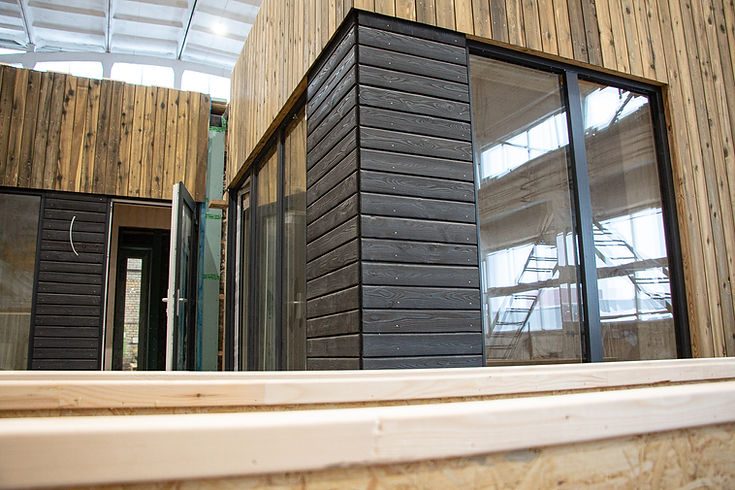
Premium larch cladding is a long-lasting and eye-catching exterior cladding material for contemporary residential, commercial and architectural scenarios. Larch can provide good levels of natural durability, visual interest, dimensional stability and flexibility when correctly specified and installed. Charred finishes such as Yakisugi or Shou Sugi Ban can further enhance the appearance and weathering characteristics of the timber.
In this comprehensive architectural guide, we will analyze the technical performance, visual grading, and strict structural installation specifications of high-quality larch cladding for modern external envelopes.
Why Larch Cladding Stands Out in Modern Exterior Design
The larch cladding material outdoes standard softwoods due to its slow growth rate in cold climates and gives outstanding density, compact annual growth rings, and abundance of natural resins. The structure ensures a natural barrier against rot, water uptake, moisture swelling, and insect infestation.
[ Slow Cold Climate Growth ] ➔ [ Tight Grain Density ] ➔ [ High Resin Content ] ➔ [ Natural Rot & Insect Resistance ]
They are enhanced with the traditional Japanese Yakisugi wood-burning technique, which is used by specialised manufacturers. The larch timber was exposed to carefully controlled fires, which chemically changed the cellulose fibres and stripped away the native sugars necessary for fungal decay. Therefore, outer shields can be used to enhance surface fire characteristics, depending on product testing and certification. Thus, the outer shield can provide improved surface fire performance, depending on product testing and certification.
Mastering Visual Depth: The Impact of Timber Cladding Texture
Architects use timber cladding texture as a tactile design medium to influence the movement of ambient natural light, morning shadows and evening reflections across a building’s facade. Large-scale walls juxtapose the scale and organic rhythm of textured timber with flat, uniform or artificial surfaces.
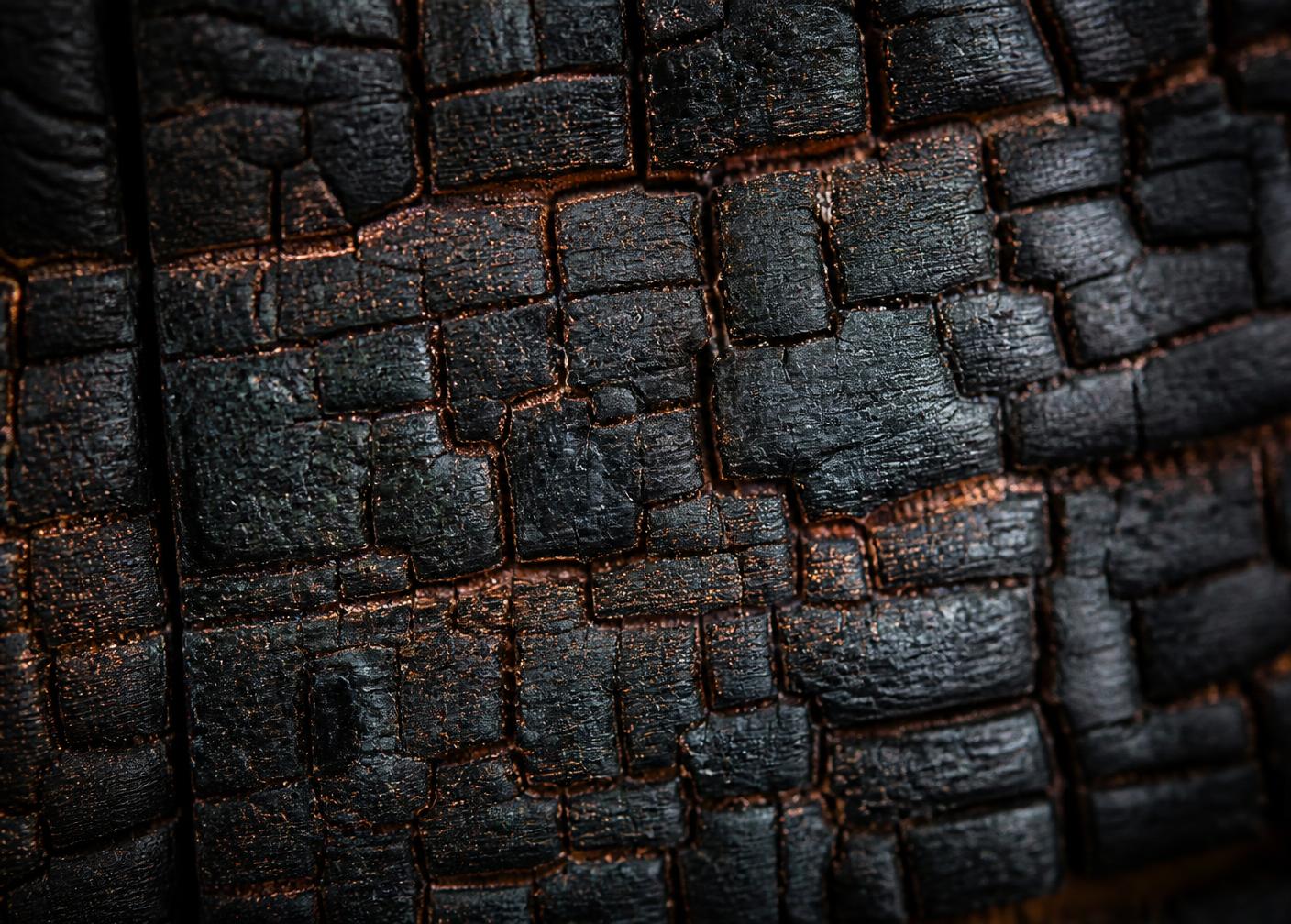
Depending on the intensity of the open-flame firing and the technical brushing depth, three distinct textures are produced:
Carbon Larch:
A heavily charred, unbrushed finish featuring a thick, protective "crocodile-skin" crackled texture. It provides a bold, matte-black aesthetic that absorbs maximum light for minimalist or stark geometric volumes.
Black Larch:
A meticulously brushed option where loose surface soot is swept away to reveal a sleek, dark matte texture. This finish emphasizes the raised, intricate structural grain lines of the natural grain structure of the timber.
Sand Grey / Light Grey Larch:
A lightly brushed and tinted finish designed to showcase soft grey, sandy undertones. This allows the natural organic ring patterns to take visual priority while maintaining a highly sophisticated color palette.
Comparing Premium Exterior Wood Cladding Solutions
Selecting the optimal exterior wood cladding requires benchmarking wood species against specific climatic exposures, structural tolerances, and visual expectations.
Architects can easily compare different high-performance wood types from Inflamed to choose the perfect match for their specific building design.
| Material | Appearance | Durability Characteristics | Stability | Best Use |
| Premium Larch | Strong natural grain | Naturally durable when properly specified | Good | Exterior facades |
| Nordic Spruce | Soft, uniform grain | Requires appropriate protection | Moderate | Residential cladding |
| Accoya | Consistent, refined appearance | High durability and dimensional stability | Very high | High-performance applications |
While spruce offers uniform, softer visual layouts and Accoya yields absolute dimensional stability, charred larch remains the ideal middle ground for standard exterior projects. It delivers the heavy-duty density and impact resistance of premium hardwoods while retaining the cost-effective scaling advantages of a softwood.
Technical & Installation Specifications for Architects
Flawless long-term execution of vertical or horizontal wood cladding requires adherence to three strict engineering parameters to maintain structural integrity and prevent moisture damage:
Continuous Rear Ventilation:
Cladding must be fixed to wood battens to create a clear rear air cavity of 20mm to 40mm behind the boards. The constant flow of air allows any trapped condensation to evaporate, and prevents dry rot.
Corrosion Resistant Fasteners:
Installers should use grade A2 or A4 stainless steel screws or nails. The acids in the wood will corrode ordinary iron or galvanised fixings, leaving permanent black streaks on the charred surface.
Fixing Interval Limits:
Structural fixing points must be spaced at strict intervals between 500mm and 600mm along the vertical or horizontal support matrix to minimize natural timber warping.
Elevating Contextual Architecture Across Europe
Modern commercial and high-end residential architecture requires verified environmental documentation alongside material longevity. Progressive clients require the clear documentation of timber products of legal and ecologically sound origin.
Working with Inflamed, design teams receive certified, sustainably sourced wood, produced right on the factory floor and shipped directly to the building site. This logistics network enables direct delivery to site throughout the United Kingdom, the Netherlands, Lithuania and across Europe.
From sustainable modular homes to custom commercial projects such as the CoffeeLoft, factory-oiled and highly charred larch ensures an architectural quality that honors the traditions of the craftsman's hand and meets today's rigorous green building standards.
How to Choose the Right Larch Cladding
Consider:
- Climate: Is there a risk of heavy rain, freezing temperatures, or high UV?
- Appearance: Do you like deep black char, brushed black, or grey?
- Orientation: Will the boards be installed vertically or horizontally?
- Finish: Is a low-maintenance finish desired?
- Materials: What is the cost of materials versus treatments, respectively, versus installation and delivery?
- Certification: Is there a need for FSC or other sustainability documentation in the project?
Conclusion
Specifying premium timber cladding texture allows contemporary architects to merge ancient heritage craftsmanship with modern structural durability standards. Utilizing high-grade larch processed through precise flame charring provides structures with a self-protecting carbon shield and can reduce reliance on some conventional surface treatments, depending on the selected finish and maintenance requirements.
Are you ready to integrate high-performance timber into your next project? Contact our engineering design specialists to discuss your custom project blueprints, or visit Inflamed today to request a custom quote and order a premium sample kit to experience our distinct textures firsthand.