
Interior wall cladding is a design idea homeowners and designers have been using for decades. However, it has grown over time. Simple wood paneling and brick effect tiles are no longer the choice of homeowners. The year 2026 is a time of more interesting ideas of interior design. A huge range of materials, finishes and styles, like blackened wood cladding , are available in the wall panelling category. From renovating a single room to designing a space from scratch, cladding is an impactful way to transform a room or space.
Here are the top trends for 2026:
1. Blackened wood cladding: the power of black
Wood has always been the first choice for cladding. In fact, it is more popular than ever in the current year. The options are more varied and more considered. Vertical slat panels remain the dominant look. Their clean pattern suits modern minimal apartments. The spacing between slats, the type of timber, and the finish can be chosen to preference.
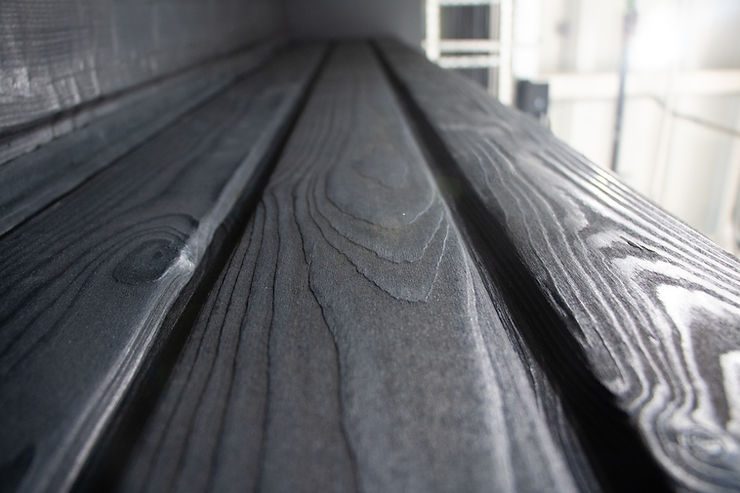
Homeowners prefer solid timber panels made from oak and walnut due to their natural look, color range, quality and longevity. From a minimalist look, designers are moving toward bold, darker shades with richer finishes. Smoked oak, deep walnut and blackened larch cladding are in trend as these give a contrasting background to an otherwise minimalist space. Blackened larch cladding is now a go-to choice for feature walls.
2. Stone and Concrete Effect Cladding
Natural stone has always been a premium cladding choice. But it is heavy and expensive. Thus, handling it is not always practical for interior walls. That's driven the growth of stone effect panels. These deliver the look without the structural demands.
Slate effect cladding is particularly popular right now. The layered, textured surface adds depth and visual interest to feature walls in living rooms and dining spaces. Marble effect panels are showing up in bathrooms and kitchens where the full luxury aesthetic is the goal. And raw concrete effect cladding is another choice for modern and minimalist interiors.
The best stone and concrete effect panels use high-quality surface printing. The result is quite close to natural stone. The practical benefits are ease of use due to light weight and easy to install.
3. Brick and Textured Plaster Cladding
Exposed brick has long been a popular interior design choice. But real brick walls aren't always possible, especially in newer builds or rented spaces. Thin brick slip cladding fills that gap beautifully. The slips are real fired clay, cut thin to apply directly to an existing wall. The result is the exact copy of an exposed brick wall. Both the cost and the effort are minimized. Textured plaster effect cladding is another trend making a comeback. The rough, organic surface of a limewash looks like a handcrafted finish. It pairs beautifully with natural timber furniture and furnishings.
4. Metal Wall Cladding
Metal wall cladding was once used in commercial and industrial setups. Currently, home interior designers are opting for it for residential interiors. They are using brushed steel, aged copper, blackened iron and oxidized bronze for panelling. In contemporary homes, this blending of materials is taking place in kitchen, home office and hallway design.
The appeal is the contrast. Metal cladding introduces a hardness and coolness that balances beautifully against softer materials — timber furniture, wool rugs, linen curtains. A single panel of aged copper behind a shelving unit, or a strip of brushed steel along a kitchen splashback, adds an edge that's hard to achieve with any other material.
Perforated metal panels are a more functional variant of this trend — used in spaces where acoustic performance matters alongside aesthetics. The perforation pattern allows sound to pass through into an acoustic backing, reducing echo while maintaining the industrial aesthetic.
5. Charred Wood: The Boldest Cladding Trend of 2026
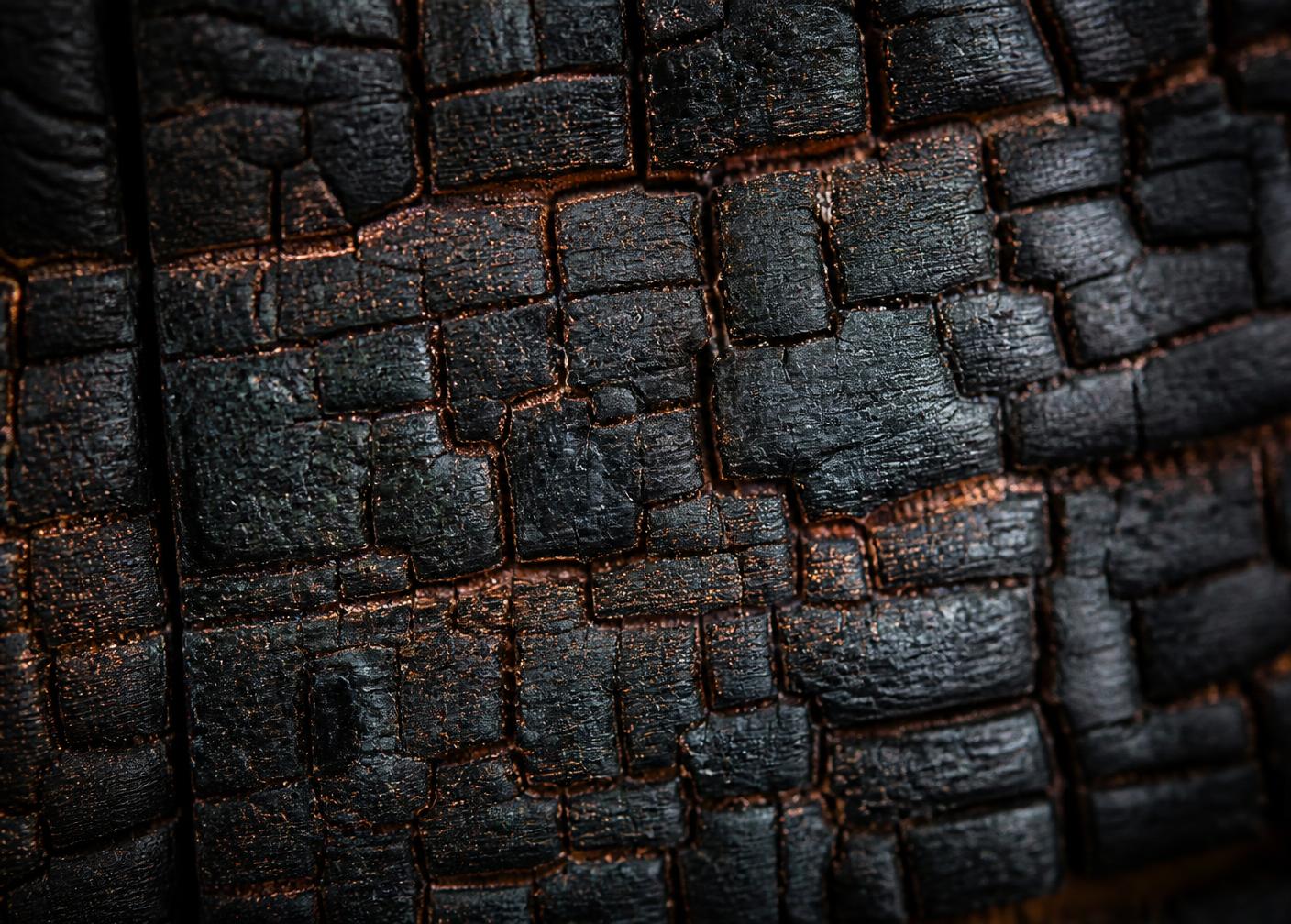
Dark timber cladding has been a common choice for the last few years. The technique behind it is yakisugi — an ancient Japanese method of surface-charring timber to protect and preserve it. Originally developed for exterior use, yakisugi deck and wall applications have crossed firmly into interior design. It gives a depth of finish and a natural durability to the timber.
The deep black surface, the subtle texture of the charred grain and the way the finish shifts under different lighting conditions give charred wood a striking appeal. It works exceptionally well as a feature wall. It can be used as a stand-alone material or contrasted against lighter materials like natural stone.
Inflamed offers a strong range of charred wood products designed specifically for interior cladding applications. From lightly brushed char finishes that retain some of the natural grain color through to deeply carbonized surfaces with maximum texture and drama, Inflamed gives designers and homeowners real options when it comes to specifying this finish with confidence.
For those who want the dark, dramatic look without the full char effect, deeply stained and fumed timber — including burnt decking repurposed for interior wall applications — is another growing trend worth exploring. Burnt decking panels bring the outdoor aesthetic of charred timber inside, creating an interesting interplay between interior and exterior design languages.
6. Mixed Material Feature Walls
Mixed-material feature walls are the current trending compositions. Combining timber slats with plaster panels, stone or metal strips creates a layered, textured result. The key to making mixed material walls work is restraint. Two or three materials maximum, with a clear logic to how they are combined, is the best way to do it. A yakisugi deck has a blackened surface that can be used to create something unique with the organic textured limewash plaster. For this kind of application, the quality of the charred timber product matters. Thus, working with a specialist matters.
Conclusion
Interior wall cladding in 2026 is defined by two things — a move toward natural, tactile materials and a growing confidence with darker, bolder finishes. Whether it's a timber slat feature wall, a stone effect panel, or a blackened wood cladding installation, the options have never been more varied or more accessible. The right cladding choice transforms a room quickly and dramatically — and the trends this year give you plenty of directions worth exploring. So, if you are looking to upgrade your interior walls, explore the latest cladding options with Inflamed for your space.