
Which is the best Finish for burnt wood cladding projects - Charred or Painted?
- seoyodha
- Mar 10
- 4 min read
Black timber cladding adds sophistication to any structure with this finish. It demands attention without overwhelming the design. It adds character and beauty to the home or commercial building. Whether you have a beautiful landscape in front of your house or it is located in an urban streetscape, black timber gives a seamless and elegant look to any structure. If you are considering adding burnt wood cladding to your structure, one question that keeps coming up is which finishing you should go with. You can either go for naturally charred timber or get a painted and stained black finish. Both look stunning, but there are various other factors that you should consider before making the final decision. These factors are discussed below:
Charred timber or painted?
The Look And Finish
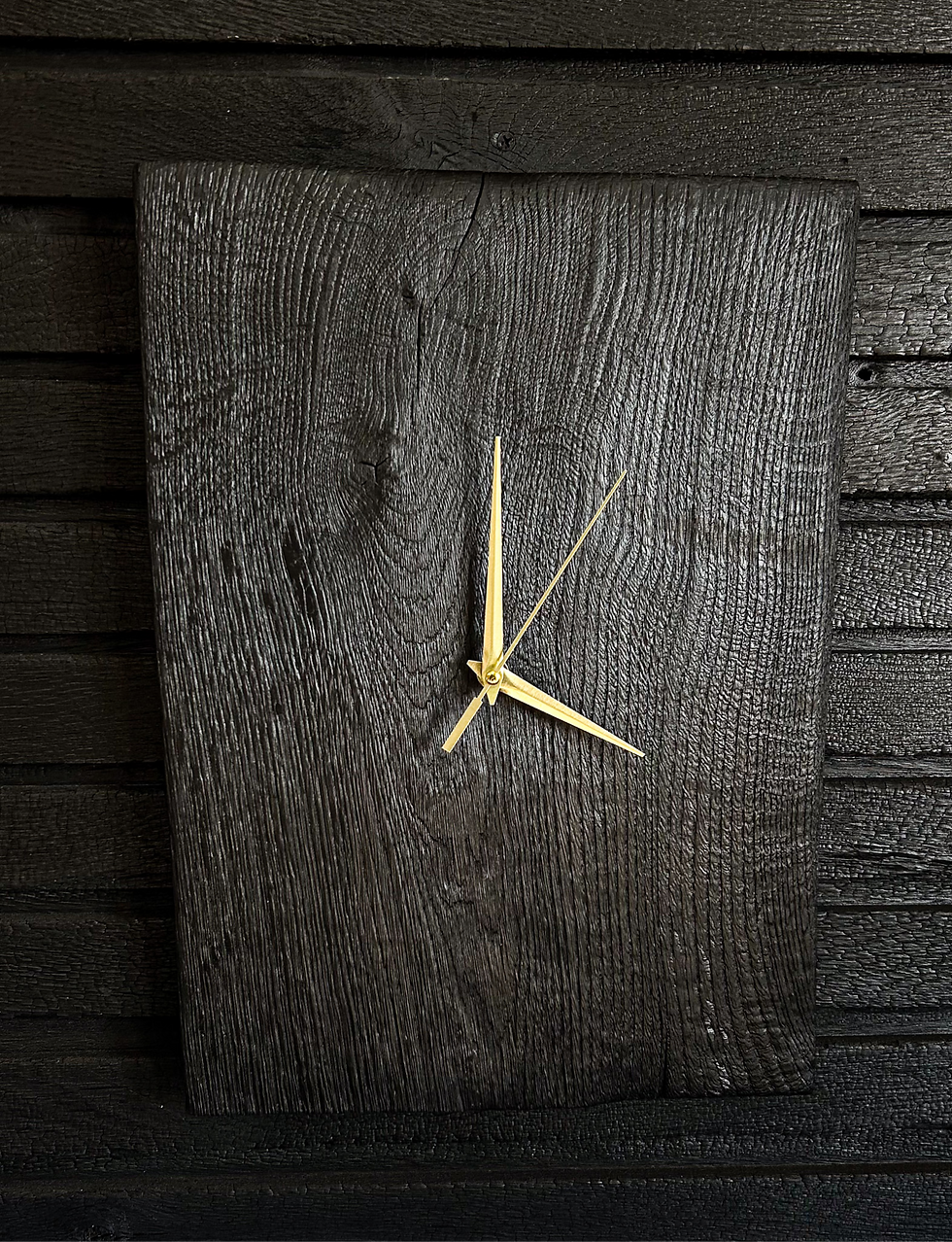
Using burnt wood cladding in structures is a centuries-old practice. The technique used for this finish is Shou Sugi Ban. It is a traditional Japanese method of charring the surface of timber. It helps to preserve and protect it. Japanese burnt wood cladding involves burning the surface of the wood. It leaves chars on the surface. It is then cooled, cleaned and then sealed. This process gives it a deep texture. The benefits of the charring process include:
- It carbonizes the outer layer making it resistant to fire
- It becomes moisture-resistant
- It stays protected from insects
- UV degradation is no longer a problem with wood.
Charred wood has become a common choice among property owners who want a contemporary finish in their structure. Not just due to its aesthetic appeal, but because it performs well for decades or even centuries. Paint or stain can be used to obtain a similar look, but it cannot fully replicate inflamed timber.
On the other side, black timber cladding can be achieved by painting and staining the surface. Painters use a black exterior paint to achieve the finish. The results are often clean and consistent. You can choose the exact shade of black and finish you want. They are available in a wide range of timbers and profiles. You can choose this finish according to your requirements and budget.
Durability — How Do They Actually Hold Up?
There is a lot of difference in the durability of the two options. Charred timber is highly durable naturally. The charting process makes it resistant to most of the environmental forces. The carbon layer on the surface protects it from moisture. It doesn’t absorb any atmospheric moisture and thus doesn’t rot. The Japanese technique of making the burnt wood is very effective. Inflamed timber is also naturally resistant to insects and rot. The process eliminates the material that pests and fungi feed on. So once you install charred timber, you can forget about the maintenance for fifty to eighty years.
Painted and stained finishes, on the other hand, are vulnerable to environmental elements. You can see cracks and wear over time. UV exposure can fade the surface while moisture can cause peeling and cracking. After every five to ten years, you would need recoating. It means it requires more maintenance to keep looking its best.
Appearance
Both charred wood and painted surface finishes deliver a bold black look. Blackened timber cladding is very popular in modern residential designs. Charred timber has a unique texture and depth. The surface is three-dimensional with natural grooves and grain lines. These features make it unique and alive. When it receives light from different angles, it looks different. It weathers naturally over time. You can see a silvery patina on the surface over time.
Painted and stained blackened timber cladding offers a cleaner and uniform appearance. For a minimalist architectural style, it is the perfect choice. Painted wood can give an exactly natural-like appearance with sharp lines and flat planes. The appearance can be controlled precisely. It looks less raw and more refined. This type of finishing gives you more flexibility to choose the end result. Whether it is the color, texture or the finish.
Both techniques can deliver similar finishes. Which one you choose depends on your personal choice. Charred wood has a more natural, raw look, while painted wood is a better choice when more precision is needed.
Cost — What Are You Actually Paying For?
Cost is often the deciding factor. Construction projects, whether residential or commercial, have a number of expenses involved.
Burnt wood cladding need more initial investment. The charring process adds labor and time to the production of the boards. However, the maintenance needed over the life of the cladding is very little.
Painted and stained finishes are generally more affordable initially. But you have to ensure the quality of raw material and work so as to keep the maintenance costs low. Repainting or re-staining would be required every five to ten years. Getting the maintenance done for the complete structure adds up to the total cost.
Environmental Considerations
The process of charring is more environmentally friendly. It uses no chemical treatments, no synthetic coatings and no harmful compounds. It's as natural a preservation method. Painted finishes involve using synthetic coatings that require periodic reapplication and disposal. So charred timber is a more sustainable process with a relatively low impact.
Conclusion
So, if you are thinking of getting a burnt wood cladding finish for your structure, both of these are excellent choices. This comparison gives you a better idea of which one you should choose.
For the best Japanese burnt wood cladding for your home or commercial building, contact Inflamed. Here, you will get the most suitable options in burnt wood for your structure with expert advice.
Frequently Asked Questions
How long does burnt wood cladding last compared to painted timber?
Charred timber lasts 50 to 80 years or more while painted timber may need recoating every five to ten years.
Can I apply a charred finish to any timber species?
Charred finish is most commonly used for species of cedar. Other species like pine, larch, and oak can also be used.
Does painted black timber cladding fade over time?
Yes, it can fade due to UV exposure. High-quality exterior paints can resist fading for longer.
Which black timber finish adds more value to a home?
Both finishes add value in terms of looks to a structure. But charred timber using Shou Sugi Ban technique adds more value due to its craftsmanship, longevity and distinctiveness.



Comments