
Wood is one of the most used materials for outdoor spaces due to its natural texture, smooth surface, and elegance. But with the effects of moisture, natural sunlight, rain, and regular use, the material's appearance and performance can change. This has caused architects and designers to explore new types of timber treatments such as Yakisugi from ancient Japan.
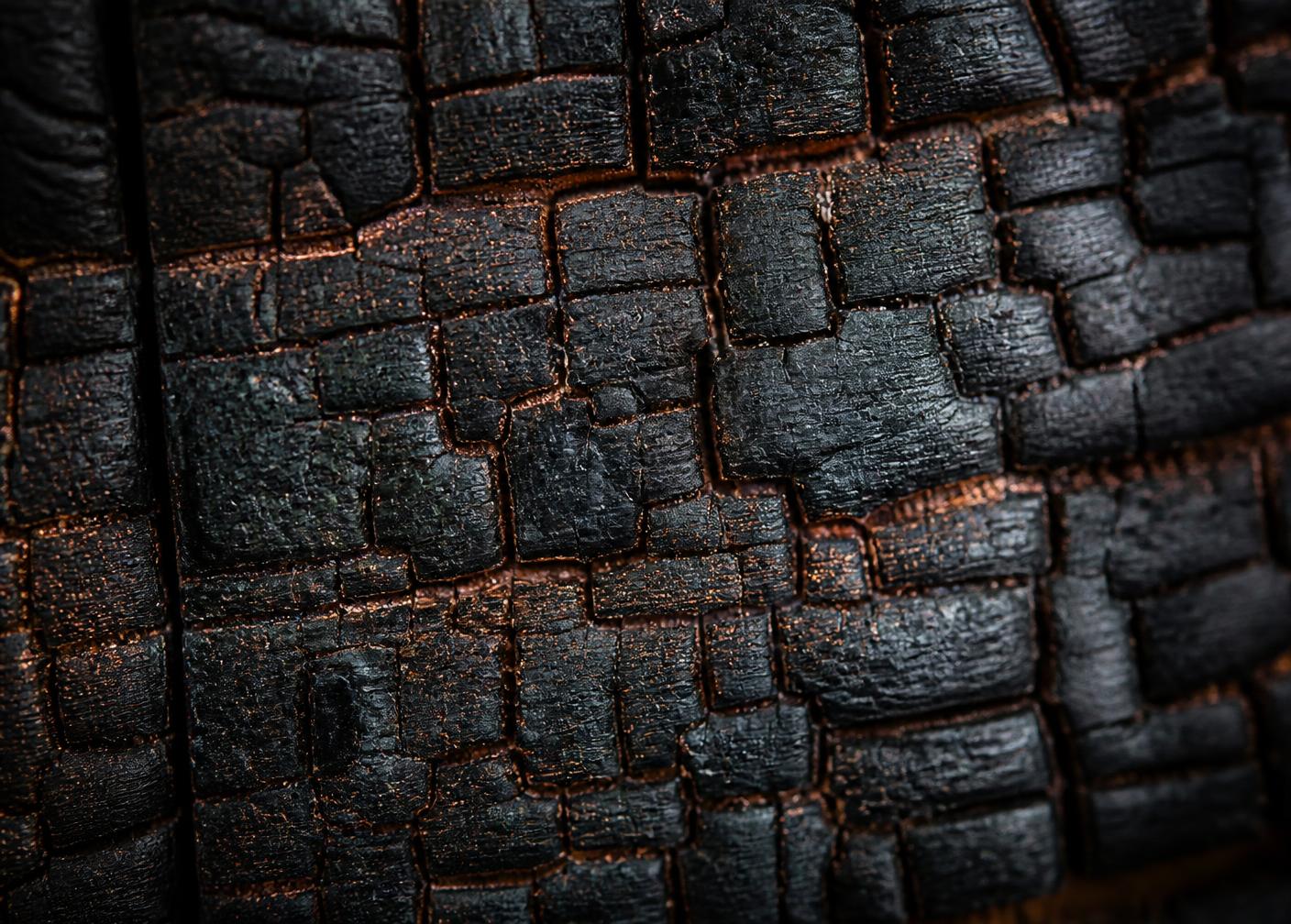
Shou Sugi Ban (Yakisugi) is the charring of the surface of the wood to produce distinct dark textures. The practice first appeared in Japan in exterior wooden cladding but has been embraced in modern architecture.
But is charred timber suitable for decking? Does the charring process improve its durability, and how much maintenance does it require?
In this comprehensive blog, we will try to answer all the important questions about Yakisugi decking boards.
What Is Yakisugi Decking?
Yakisugi is a traditional Japanese wood finishing process that involves charring the outer layer of the wood. Yakisugi means "burnt" and "Japanese cedar".
Shou Sugi Ban is the commonly used Western name for this technique.
Traditionally, Japanese cedar would be charred to produce an appealing cladding material. It produces a carbonised surface with an aesthetically pleasing appearance.
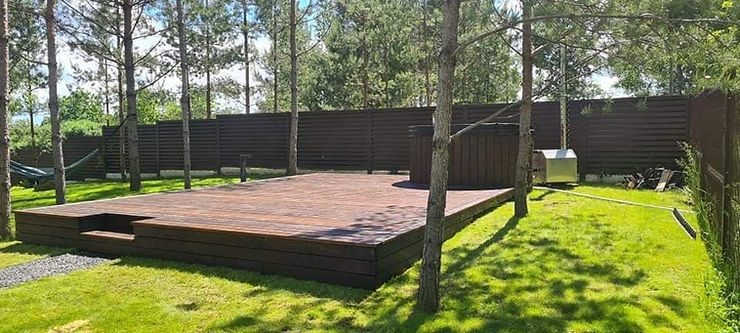
When applied to decking, the charred wood will have a different appearance than regular wooden boards. Based on how the wood is treated, it may have a heavily textured black surface or a brushed surface that will show the wood grain.
However, not all charred timber is suitable for decking. It depends on the species of wood, degree of charring, finishing process, and purpose of use.
How Is Yakisugi Timber Made?
It involves a combination of the art of the ancient craft and the exactness of modern engineering. Traditionally, the Japanese craftsman would fasten three pieces of wood together in a triangle formation for use as a chimney, light a fire in it, and then put it out using water immediately.
Nowadays, the production takes place in hi-tech plants, ensuring maximum uniformity in the structure of the wood. The wood goes through the flame, is precisely brushed, and cleaned. In the end, experts apply natural oils to seal the color and reduce any future residue formation.
The type of base wood you will use will determine the final aesthetic and longevity of your deck:
- Accoya: This chemically treated wood offers unparalleled dimensional stability, making it ideal for a premium deep char finish.
- Larch: This dense, durable outdoor wood provides a contrasting brushed texture.
- Spruce: Classic option providing a deep black charring pattern.
Can Yakisugi Wood Be Used for Outdoor Decking?
While Shou Sugi Ban is an excellent choice for a vertical wall covering, when it comes to the horizontal flooring surface, it needs some careful consideration. Vertical walls are mostly exposed to wind and rain, but the deck is a working floor that withstands heavy footsteps, patio furniture that slides on the surface, and puddles of standing water.
Since there is always some friction between your feet and the surface, a heavily charred finish is not durable enough and will start chipping off. You need a brushed and heavily oiled texture for the horizontal walking surface. The proper installation process is mandatory as well. You should have good ventilation under the deck, accurate board spacing, and a little bit of tilt for draining.
Benefits of Using Charred Timber Outdoors
Yakisugi offers several design advantages when correctly specified for outdoor applications.
1. Distinctive Natural Appearance
The charring process will result in deep black colors, grain patterns, and textures of charred timber not seen in traditional decking material.
Depending on how it is treated, the surface may be very black or treated to bring out the wood grain.
2. Design Flexibility
Charred timber goes well with materials like natural stone, concrete, glass, and metal. Black decking can be used to create a contrast with lighter paving, exterior walls, and landscaped gardens.
3. Potential Durability Benefits
Charring alters the surface properties of wood and can affect moisture behaviour. It does not, however, give timber waterproof or decay resistance.
According to a study by researchers affiliated with the USDA Forest Products Laboratory that was published in 2021, there was no systematic enhancement of decay resistance and/or fire performance in the samples treated with commercial Shou Sugi Ban.
This demonstrates the importance of choosing timber and technical specifications, rather than charring.
4. Individual Character
The natural grain, knots, and colour variations enhance the final look. This makes it an outdoor surface that is not totally monochromatic and uniform, but has individual character.
Limitations and Considerations of Yakisugi Decking
Though it is very appealing, the charring on timber comes with its own limitations.
- Surface wear: The charring is susceptible to damage caused by frequent walking, furniture, and equipment movement.
- Transfer of charcoal: The finish used might result in the transfer of free carbon dust, especially if the carbon layer is unsealed.
- Sunlight and rain exposure: They can affect the appearance and color of exterior timber.
- Moisture: Exposure of the timber to moisture caused by poor drainage and inadequate ventilation can lead to rotting of the timber.
- Slip resistance: Wet leaves, algae, and built-up dirt can cause decking to become slippery outside. Surface texture doesn't necessarily mean safe underfoot.
These factors should be evaluated before selecting a particular charred timber finish.
Yakisugi Decking vs Traditional Timber Decking
Both options can create attractive outdoor spaces, but their appearance and practical requirements differ.
| Factor | Yakisugi Decking | Traditional Timber Decking |
|---|---|---|
| Appearance | Dark, textured, and distinctive | Natural wood tones |
| Surface finish | Charred or brushed | Natural, oiled or coated |
| Durability | Depends on species and treatment | Depends on species and protection |
| Weather resistance | Product-specific | Product-specific |
| Maintenance | Cleaning and periodic refinishing | Cleaning and periodic treatment |
| Installation | Requires decking-approved specification | Requires suitable decking construction |
| Cost | Varies by finish and processing | Varies by timber species |
Neither option is automatically superior. The right choice depends on the project, environment, and maintenance expectations.
How to Care for Charred Lumber in Outdoor Areas
Outdoor decking should be maintained more often than vertical cladding since it gets more traffic than the other.
These are some practical tips:
- Cleaning: Clean the wood of leaves, dust, and other particles by brushing it with soft bristles and using appropriate cleaning techniques recommended by the manufacturer.
- Pressure washing: It is not recommended unless the manufacturer recommends it.
- Look at the boards: Look for any splits in the boards, loose fasteners, surface defects, and water collection spots.
- Drainage: Make sure that there is proper drainage of water from the boards and the substructure is well-ventilated.
- Finish: Maintain the finish with appropriate oils or re-finish if needed.
Maintenance frequency depends on the timber species, finish, exposure, and foot traffic. Inflamed's guidelines recommend oiling once every one or two years for the deck.
Is Yakisugi Decking the Right Choice for Your Outdoor Project?
Selecting a Yakisugi deck entails more than simply picking a nice color and texture. One has to look at how the area will be utilized and the environment that the wood is exposed to.
In terms of residential patios and gardens, charred wood can be an excellent option as long as the wood is chosen for its suitability for decks.
As for poolside areas, public patios and walkways, extra consideration should be made to slip-resistance and moisture control.
Before coming to a decision, it is worth taking into account:
- The type of timber and its natural characteristics.
- The depth of the charring process and surface treatment.
- The appropriateness for foot traffic.
- Weather conditions and drainage needs.
- The installation specifications and maintenance requirements.
Obtaining some physical samples can also be a good idea. Seeing the wood under natural outdoor lighting will allow you to evaluate its real colour and texture.
How Inflamed Can Help with Your Timber Project
Selecting charred timber requires an understanding of wood species, surface treatments, and installation requirements.
Inflamed is a Lithuanian manufacturer specialising in charred timber for architectural projects. Its production process includes charring, brushing, finishing, and inspecting timber at its factory in Kaunas.
The company offers different timber species and surface finishes, including its KAEN deep-char and KIME brushed-char collections. Its decking range includes Spruce and Pine, with product suitability and technical requirements to be confirmed for individual projects.
We also support architects, designers, builders and homeowners with material selection, physical samples, technical documentation and project specifications.
Conclusion
Yakisugi decking combines traditional craftsmanship and contemporary outdoor design elements. The unique textures, dark finishes, and natural look of this decking make it a good choice for modern terraces and gardens.
However, selecting the right wood species, finish, and installation technique becomes absolutely crucial in this case. One may get acquainted with the benefits and drawbacks of this material and prepare for the selection process.
Ready to explore charred timber for your next outdoor project? Discover premium Shou Sugi Ban decking options at Inflamed. Request physical samples, compare distinctive timber finishes, and speak with the team to find the right solution for your project.
Explore Inflamed's Charred Timber Decking | Request a Quote